
15 Studio Apartment Layout Ideas


Living in a studio apartment can feel like a puzzle. When your bedroom, living room, and kitchen are all in one space, it’s easy for things to feel messy or crowded. However, with the right layout, even the smallest "shoebox" apartment can feel like a luxury home. Studio apartments combine your living room, bedroom, kitchen, and dining area into one space. A smart layout helps you live well even in a small home.
1. Create a Functional Entrance

Establishing a dedicated entry zone is essential for maximizing the functionality of a compact studio apartment. By installing a slender wall shelf or a row of sturdy hooks near the door, you create a designated landing strip for daily essentials like keys, bags, and coats. This simple addition prevents clutter from spreading across your living area the moment you arrive home. It fosters a sense of order and provides a transition point between the outside world and your private sanctuary, ensuring everything remains easily accessible before heading out the door again.
2. Use Sliding Glass Doors as Dividers

Sliding glass doors act as a smart alternative to traditional solid partitions in limited living spaces. By installing these transparent dividers, you effectively delineate different functional areas without sacrificing the open feel of your home. They offer a sophisticated level of privacy, particularly when using frosted or tinted glass, while allowing natural light to travel freely throughout the entire apartment. This architectural choice prevents rooms from feeling like dark, cramped boxes, maintaining a bright and airy atmosphere that enhances your daily experience while keeping the layout flexible, modern, and visually expansive for residents.
3. Add Floor-to-Ceiling Shelves

Integrating tall shelving units is a brilliant strategy for optimizing a small home's footprint. By utilizing vertical space to store books, indoor plants, and various decorative items, you effectively clear the walking areas. This approach prevents the floor from becoming cluttered, which naturally makes your environment feel more expansive and breathable. High-reaching bookcases draw the eye upward, highlighting the height of the ceiling rather than the limited square footage. Ultimately, this organizational method ensures that your belongings remain accessible while maintaining a clean, modern aesthetic that promotes a peaceful, airy atmosphere for everyday life.
4. Use Lighting to Define Areas

Strategic lighting serves as a powerful tool to define specific zones within a single-room layout. Positioning a warm floor lamp beside the sofa instantly establishes a cozy living area, while a focused task light over the desk creates a distinct workspace. These various sources of illumination act as invisible boundaries, separating your home life without the need for bulky physical walls. By layering different levels of brightness, you can shift the mood of each section, making the entire apartment feel more organized, functional, and intentionally designed for various daily activities.
5. Use Area Rugs to Separate Spaces

Strategically placing rugs is a clever way to designate functional "rooms" within a single open layout. By positioning a plush rug beneath your sofa, you instantly ground the living area, while a different textile under the table clearly identifies the dining space. These floor coverings act as distinct visual anchors, creating clear boundaries without the need for light-blocking walls or bulky partitions. This simple design technique helps organize your furniture, provides a sense of structure, and makes a compact home feel much more intentional, organized, and professionally styled for everyday comfort.
6. Build a Loft or Raised Level
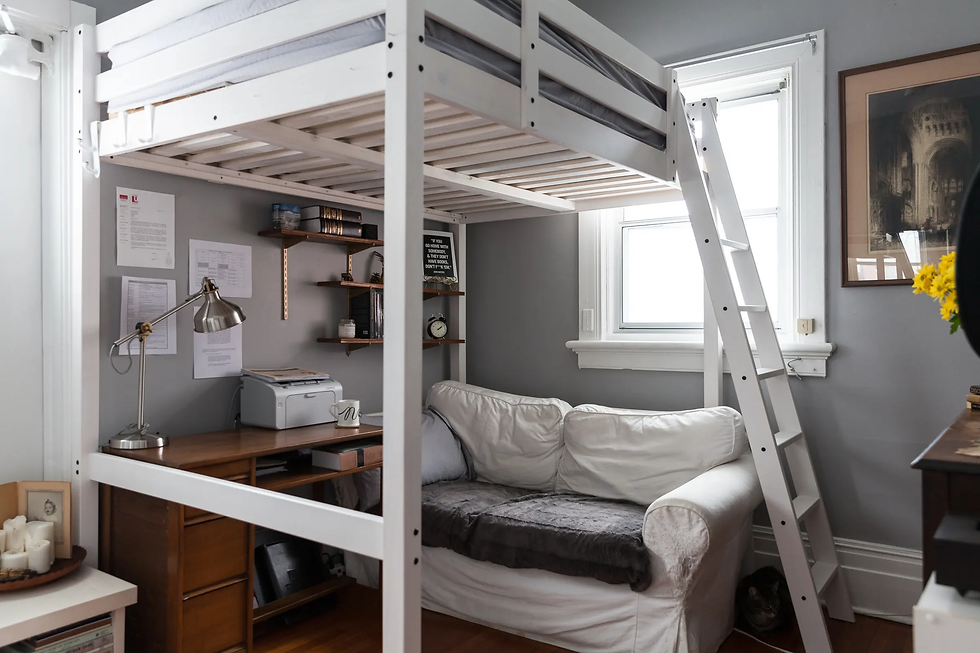
Utilizing vertical height by elevating your bed is a transformative solution for apartments with tall ceilings. By lifting the sleeping area, you effectively reclaim the square footage directly beneath it, creating a versatile "bonus" room. This newly vacated lower level can be repurposed as a cozy reading nook, a streamlined home office, or a hidden storage system for bulky belongings. This clever architectural shift maximizes every cubic inch of your home, ensuring that your living environment remains uncluttered and highly functional while maintaining a spacious, open-air feeling throughout the entire studio layout.
7. Choose Furniture You Can Move Easily

Opting for lightweight or mobile furniture is a brilliant strategy for maintaining a flexible living environment. Pieces equipped with wheels or crafted from airy materials allow you to effortlessly shift your layout whenever your needs change. For instance, a rolling coffee table can be pushed aside for a morning workout, while a lightweight sofa can be easily pivoted to face guests during a social gathering. This adaptability ensures your limited space never feels stagnant or restrictive. By choosing versatile items, you gain the freedom to refresh your home’s flow instantly, making it highly functional for any occasion.
8. Zone Out Different Areas

Incorporating varied floor textures is a sophisticated method for establishing distinct functional boundaries within a single-room residence. By utilizing area rugs, contrasting laminate patterns, or decorative tiles, you can visually separate your sleeping quarters from the culinary and living sections. These textural shifts act as environmental cues that signal the transition between different "rooms" without the need for light-blocking walls. This design strategy provides your apartment with a sense of architectural structure and organization, ensuring each zone feels like a dedicated space while maintaining the airy, expansive atmosphere that makes open-concept living so desirable and modern.
9. Use a Murphy or Wall Bed

Integrating a Murphy bed is a revolutionary space-saving tactic for anyone living in a compact studio. This clever design allows the mattress to fold vertically into a wall cabinet during the day, instantly reclaiming valuable floor real estate. Once tucked away, the sleeping area disappears, transforming your bedroom into a spacious living room or a productive home office. This transition ensures that your apartment feels open and organized for daytime activities and hosting guests. Ultimately, a wall bed provides the luxury of a full-sized mattress without the permanent footprint, making your small home feel significantly larger and more versatile.
10. Use Mirrors to Make Space Feel Larger

Installing mirrors is a highly effective design trick for tricking the eye into perceiving a more expansive environment. By strategically placing a large mirror directly opposite a window, you capture incoming natural light and bounce it deep into the dark corners of the apartment. This reflection effectively doubles the visual depth of the room, making solid walls appear much farther away than they truly are. This simple addition not only brightens the entire living space but also creates an airy, window-like effect that prevents a small studio from feeling enclosed, resulting in a significantly more open and inviting atmosphere.
11. Add Wall-Mounted Storage

Swapping out bulky cabinets for wall-mounted shelving and integrated hooks is a brilliant way to maximize your home's vertical potential. By moving your belongings onto the walls, you eliminate heavy furniture that occupies valuable floor space, instantly creating a more open and breathable environment. Hanging storage solutions allow you to display books, kitchenware, or plants while keeping the ground clear for easy movement. This design choice reduces visual weight in a small room, making the entire layout feel lighter and less restricted. Ultimately, prioritizing wall storage provides essential organization without sacrificing the precious square footage needed for a comfortable lifestyle.
12. Pick Dual-Purpose Furniture

Choose furniture that does more than one job. Examples include:
A sofa bed
A dining table that doubles as a desk
Ottomans that open for storage
13. Float Your Furniture

Avoid the common instinct to line every piece of furniture against the perimeter of your apartment. By "floating" a sofa or a dining table toward the center of the room, you naturally establish clear walking paths and more balanced functional zones. This arrangement creates a sophisticated flow, allowing the eye to travel around the furniture rather than just across an empty floor. It breaks up the "boxy" feeling of a studio and makes the layout feel more like a traditional home with distinct rooms, ultimately resulting in a space that feels curated, professional, and intentionally designed.
14. Use Properly Scaled Furniture

Selecting furniture of the appropriate scale is crucial for maintaining a balanced and professional atmosphere in a compact home. While it might seem logical to buy miniature items, an abundance of tiny pieces can actually make a room appear fragmented and cluttered. Conversely, oversized furniture overwhelms the floor plan and restricts movement. By choosing well-proportioned pieces that fit the specific dimensions of your studio, you create a cohesive and harmonious environment. This balanced approach ensures your home feels substantial and well-designed, providing the comfort of a larger residence while maximizing the utility of every square foot available.
15. Maximize Every Nook

Look for odd corners, small recesses, or window areas. Use them for:
A reading chair
A tiny desk
A plant nook
Storage shelves
Importance of Color for Studio Room

Choosing the right paint color for a studio apartment is like a magic trick. The right color can push the walls back and make a tiny room feel like a grand suite. The wrong color can make it feel like a dark closet. When you live in one room, the color you choose has a big job. It needs to be bright enough to make the space feel open, but cozy enough to make you feel at home.
Common Studio Mistakes to Avoid
Buying "Mini" Furniture: Many people buy tiny rugs and tiny sofas. This actually makes the room look like a dollhouse. One or two "normal-sized" pieces make the room feel like a real home.
Ignoring the Corners: Corners are perfect for a small floor lamp or a corner shelf. Don't let them go to waste!
Too Many Small Items: Lots of little decorations look like "clutter" in a small space. Stick to a few large, beautiful items instead.
FAQs
1. Is a studio apartment good for long-term living?
Yes. A studio apartment can work long term if the layout is planned well. Good storage, clear zones, and smart furniture make daily life comfortable even in a small space.
2. Where should I store extra items in a studio apartment?
Use under-bed storage, wall shelves, and closed cabinets. Storing items vertically or out of sight keeps the room from feeling crowded.
3. Can two people live comfortably in a studio apartment?
Yes, but communication and layout matter. Separate zones for sleeping and relaxing help. Using screens, shelves, or curtains can give each person some privacy.
4. How do I make my studio apartment feel more private?
Privacy can be created with curtains, folding screens, bookcases, or glass dividers. Even visual separation helps your mind feel like spaces are different.
5. What is the best flooring for a studio apartment?
Simple flooring works best. Wood, laminate, or vinyl makes the space feel larger and easier to clean. Avoid mixing too many floor types in one room.
6. How often should I declutter a studio apartment?
Small spaces need regular decluttering. A quick check once a month helps prevent buildup. If something hasn’t been used in months, it may not belong there.
7. Should everything in a studio match?
No, but it should feel connected. Items don’t need to be identical, just similar in color, style, or material. This keeps the space from feeling chaotic.
8. How can I make my studio feel more like a “real home”?
Add personal touches like one artwork, a favorite chair, or a cozy lamp. Comfort and personality matter more than size.
9. Is open storage bad for studio apartments?
Not always, but too much open storage can look messy fast. A mix of open and closed storage usually works best in small spaces.
10. What is the biggest mindset change for studio living?
Think vertically and intentionally. Every item should earn its place. When space is limited, smart choices matter more than having more things.
Quick Summary
A good studio apartment layout helps you live comfortably and makes the space feel larger. The best strategies are:
✔ Divide your studio into zones
✔ Use smart furniture and storage
✔ Let light and openness lead the design
✔ Choose multifunctional pieces
✔ Use vertical space and mirrors to expand visually
With these ideas, even the smallest studio can feel like a well-planned home.


Comments