
Can Carbon Monoxide Come From AC? The Chilling Truth Every Homeowner Must Know

Updated: Sep 1, 2025
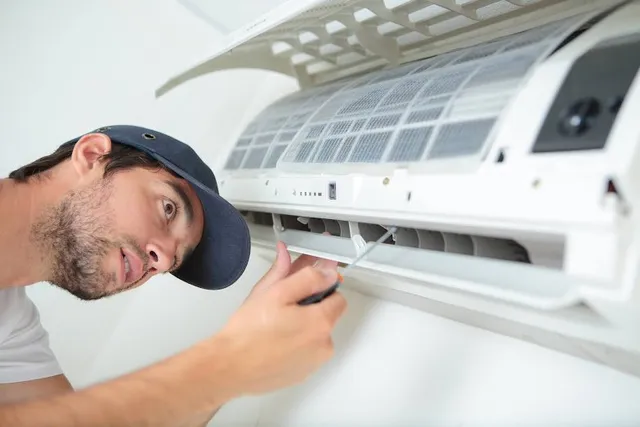
Could Your AC Be Silently Killing You?
Well don't get amazed, if someone asks you this.
It’s a hot summer day. You walk inside, greeted by the sweet blast of cool air from your air conditioning unit. Life feels good. But hidden behind that breeze could lurk a silent, invisible killer — carbon monoxide (CO).
You’ve probably asked yourself, “Can carbon monoxide come from AC?” The short answer: Not directly — but yes, under certain conditions, your AC system can play a deadly role.
This is not just a technical issue — it’s a matter of life and death. Every year, over 400 Americans die from accidental CO poisoning, and over 50,000 visit emergency rooms due to exposure. Many of these incidents happen in the home — where safety should be a given.
The truth about carbon monoxide and AC systems
Hidden danger zones you probably haven’t checked
How to detect CO leaks before it’s too late
Actionable strategies to prevent exposure
Real stats, real stories, real solutions
Let’s dive into the chilling truth and learn how to protect your home, your loved ones, and your peace of mind.
Chapter 1: What Is Carbon Monoxide and Why Is It So Dangerous?
Before exploring your AC system, it’s crucial to understand what carbon monoxide is and why it’s so deadly.
The Silent Killer
Carbon monoxide (CO) is:
Colorless
Odorless
Tasteless
Highly toxic
When inhaled, CO replaces oxygen in your blood, starving your brain, heart, and vital organs. Just a few minutes of exposure can lead to:
Headaches
Dizziness
Confusion
Loss of consciousness
Death
Even low levels over time can cause chronic health issues.
Why Homes Are Especially Vulnerable
Unlike natural disasters, CO poisoning often goes unnoticed. It doesn’t make noise. It doesn’t smell. It doesn’t trigger panic — until it’s too late.
Chapter 2: Can Your AC System Produce Carbon Monoxide?

This is the million-dollar question.
Answer: Air Conditioners Don’t Produce CO — But They Can Distribute It
Here’s what you need to know:
Central air conditioners don’t burn fuel — they rely on electric compressors and refrigerant systems, which do not create carbon monoxide.
Window AC units also typically run on electricity — again, no CO emissions.
BUT… here's the twist:
If your HVAC system is connected to a fuel-burning appliance (like a furnace, boiler, or water heater), your AC’s ductwork can become the deadly delivery vehicle for CO.
How It Happens: The Dangerous Domino Effect
Your furnace or boiler (powered by gas, oil, or propane) develops a crack or leak.
Carbon monoxide escapes into the surrounding area.
Your AC ductwork pulls in that contaminated air and circulates it through your home.
You and your loved ones breathe it in — without even knowing.
This makes your AC system a silent accomplice, not the source, but the spreader.
Chapter 3: Common AC-Related Scenarios Where CO Exposure Can Occur
Let’s break down 5 real-world scenarios where your air conditioning system can expose you to carbon monoxide.
1. Shared Ductwork with a Furnace
Many homes have combined HVAC systems, where a gas furnace shares ductwork with the AC. If the furnace leaks CO due to poor maintenance, your AC helps circulate it.
2. Cracked Heat Exchanger
A cracked heat exchanger in a furnace allows combustion gases to mix with air being circulated. Your AC blower can pick up this tainted air and distribute it.
3. Blocked Flues or Vents
Blocked exhaust vents can trap CO gases inside the HVAC closet. The AC system then draws these gases back into your living space.
4. Garage Proximity Problems
If your HVAC intake is near a garage or storage area where cars, grills, or generators are used, your AC can pull in CO from those spaces.
5. Nearby Generators or Outdoor Equipment
Running a portable generator or grill near an outdoor AC unit can cause intake contamination — especially if air filters are damaged or missing.
Chapter 4: The Warning Signs of Carbon Monoxide Poisoning
How do you know if CO is invading your home?
Here are the top symptoms to watch out for, especially when your AC is running:
Physical Symptoms
Unexplained headaches
Fatigue or weakness
Dizziness or confusion
Shortness of breath
Nausea or vomiting
Chest pain
Loss of consciousness
If multiple people in the household experience these symptoms at the same time, CO could be to blame.
Home Clues
Stale or stuffy air
Soot or yellow stains around vents
Pilot light frequently goes out
Appliances that burn fuel not venting properly
CO detector alarms
Don’t have a carbon monoxide detector? That’s priority # 1 — more on that below.
Chapter 5: How to Protect Your Home From Carbon Monoxide Poisoning
Let’s move from panic to prevention. Here are 9 critical steps to stay safe:
1. Install UL-Certified CO Detectors
Place CO detectors:
On every floor
Outside sleeping areas
Near HVAC systems and fuel-burning appliances
Test them monthly and replace batteries every 6 months.
2. Schedule Annual HVAC Inspections
Hire a certified HVAC technician to:
Inspect the furnace, heat exchanger, and flues
Ensure proper ventilation
Check for leaks, cracks, or corrosion
This small investment can save lives.
3. Keep AC Units Clear of Combustion Sources
Never operate:
Grills
Generators
Lawn mowers
Vehicles
…near outdoor AC units or HVAC intakes.
4. Ensure Proper Ventilation in Utility Rooms
Rooms with gas appliances need:
Functional ventilation systems
No blocked vents
No sealed or airtight doors
5. Replace Aging Equipment
Furnaces and water heaters over 15 years old are more likely to leak CO. If yours is aging, upgrade it. Newer models are safer and more energy efficient.
6. Install Smart Home Monitors
Use smart thermostats and CO monitors to track air quality in real-time. Set up alerts to your phone.
7. Educate Your Family
Make sure everyone knows:
The symptoms of CO poisoning
What to do if an alarm sounds
How to evacuate and call 911
8. Check Garage Seals and Doors
Ensure your garage is sealed off from your home’s interior. Never leave a car idling inside — even for a minute.
9. Know the CO Hot Zones in Your Home
Focus attention on:
Basements
Furnace closets
Attics with HVAC systems
Garages
These are prime suspects for CO buildup.
Real Tragedies That Could Have Been Prevented
Sometimes the best way to drive urgency is through real stories.
The Family of Four in Ohio
In 2019, an Ohio family died in their sleep due to a cracked furnace. The central air system silently circulated CO throughout the home. No detectors were present.
The Teen in Texas
A 17-year-old boy died after spending the night in a guest room above a garage. CO from a generator near the AC unit found its way inside.
These tragedies could have been prevented with a $30 detector and routine maintenance.
Myth-Busting Common Misconceptions
Let’s clear up some confusion:
Myth | Truth |
"Electric appliances can emit CO" | Only fuel-burning appliances emit carbon monoxide. |
"My AC system is safe because it's electric" | True, but shared ductwork can distribute CO from other appliances. |
"I’ll smell carbon monoxide if it leaks" | CO is completely odorless — only detectors can alert you. |
"CO only builds up in the winter" | CO exposure can happen year-round, especially in summer garages. |
Conclusion: Your AC Isn’t the Enemy — But It Can Be a Messenger
Let’s bring it full circle:
Your air conditioner doesn’t generate carbon monoxide. But it can spread CO from other sources in your home. Most people don’t even think about this risk — until it’s too late.
Now you know better. You’ve got the power to:
Install CO detectors
Schedule HVAC inspections
Keep combustion sources away from AC units
Educate your family
Don't wait for a tragedy to take action.
Secure your home today. Live with peace of mind tomorrow.
FAQs
1. Can a mini-split (ductless) AC system cause or spread carbon monoxide?
No, ductless mini-split AC systems are electric and don’t burn fuel. They don’t produce carbon monoxide and, without ductwork, they’re unlikely to circulate it. However, if installed in a space with nearby fuel-burning appliances, they could still recirculate contaminated indoor air if ventilation is poor.
2. What should I do if I suspect my AC system is circulating carbon monoxide?
Evacuate immediately, call 911, and do not re-enter until emergency responders declare it safe. Afterward, contact an HVAC professional to inspect your entire HVAC system, furnace, flue, and ventilation.
3. Can carbon monoxide leaks get into apartment AC systems?
Yes, especially in older or poorly ventilated buildings. CO can travel through shared ductwork or walls between units if one tenant uses a gas stove, heater, or generator improperly. High-rise and multi-unit buildings should have CO detectors in every unit.
4. Does turning off my AC reduce the risk of carbon monoxide exposure?
Not really. Turning off your AC may stop circulation but won’t eliminate the source of carbon monoxide. The priority should be fixing the CO source (furnace, boiler, water heater, etc.) and improving ventilation.
5. Are portable AC units safe from carbon monoxide issues?
Mostly yes. Portable AC units are typically electric and don’t emit CO. However, if used in enclosed spaces where CO is already present (like a garage with a running generator), they can recirculate toxic air inside.
6. Can carbon monoxide come through AC vents from a neighbor’s home?
Potentially, yes. In townhouses, condos, or apartments with shared ventilation systems, carbon monoxide can seep through interconnected HVAC systems or walls, especially if there are poor seals or ventilation gaps.
7. Is it safe to run an AC during a power outage with a generator nearby?
Be cautious. If you're using a portable generator, place it at least 20 feet away from your home, never near AC condensers or air intakes. Generators produce CO — and your AC system could pull that contaminated air inside.
8. Can improper AC installation lead to carbon monoxide exposure?
Yes, if installers improperly connect AC systems to shared ductwork with gas appliances or block important ventilation pathways, it can create pressure imbalances that force CO into living spaces.
9. Should I have a carbon monoxide detector near my AC return vent?
Yes, that’s smart. Placing a CO detector near air returns or near fuel-burning appliances is highly recommended. It gives early warning if your AC is pulling CO-contaminated air into circulation.
10. How often should my HVAC system be inspected for CO risks?
At least once per year. Schedule annual HVAC maintenance before peak heating or cooling seasons. If you have older gas appliances, consider inspections every 6 months.


Comments