
Decomposed Granite Colors: Landscaping and Design
- DreamDen AI Editorial Team
- Sep 29, 2025
- 4 min read

Updated: Sep 30, 2025
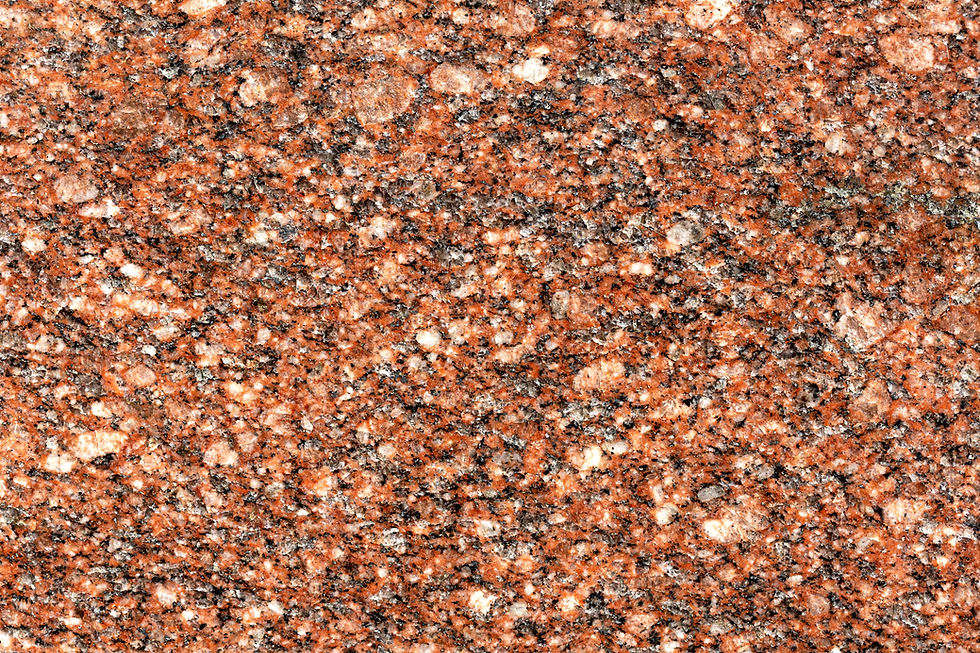
When it comes to creating beautiful, low-maintenance outdoor spaces, decomposed granite (DG) has become a favorite material for homeowners, landscapers, and designers alike. Unlike natural stones or concrete, DG offers versatility, durability, and a natural aesthetic that blends seamlessly with gardens, pathways, driveways, and patios.
One of the most appealing aspects of DG is the variety of colors available. From warm browns to soft golds, deep reds, and cool grays, decomposed granite allows you to create outdoor spaces that are both functional and visually striking.
What Is Decomposed Granite?
Decomposed granite is natural granite that has weathered and broken down into smaller fragments, typically ranging from fine sand to pea-sized gravel. Unlike crushed stone, DG has a finer texture, making it ideal for pathways, patios, and garden beds.
Composition: Mostly granite particles with quartz, feldspar, and mica.
Texture: Soft, sandy, or slightly coarse, depending on the grade.
Appearance: Natural, earthy tones with subtle variations that mimic natural landscapes.
Binding: Can be compacted alone or mixed with stabilizers for more permanent paths.
Why Decomposed Granite Is Popular
Natural Aesthetic – Blends with gardens, lawns, and natural surroundings.
Affordable – Less expensive than pavers or concrete.
Versatile – Use it for walkways, driveways, patios, xeriscaping, and playgrounds.
Durable – Resists erosion, suitable for moderate foot traffic.
Low Maintenance – Requires minimal upkeep compared to turf or mulch.
Decomposed Granite Colors
DG comes in a variety of natural tones that can match different design styles. Popular colors include:
1. Brown and Tan DG
Appearance: Earthy browns, sandy tans, and soft caramel tones.
Best for: Rustic gardens, desert landscaping, Mediterranean-style patios.
Design Tip: Pair with red or terracotta pavers for a warm, cohesive look.
2. Golden or Honey DG
Appearance: Light yellow-gold shades, shimmering slightly in sunlight.
Best for: Pathways, outdoor dining areas, and bright, sunny gardens.
Design Tip: Complements natural stone planters and light-colored furniture.
3. Red or Terra Cotta DG
Appearance: Deep rust, brick, or reddish-brown tones.
Best for: Southwestern or Spanish-style landscapes.
Design Tip: Combine with cacti, succulents, or red brick edging for authenticity.
4. Gray DG
Appearance: Cool gray tones, sometimes with specks of black or silver.
Best for: Modern landscapes, minimalist gardens, and urban patios.
Design Tip: Works well with concrete, steel, or slate accents.
5. Mixed or Multicolor DG
Appearance: Blend of browns, reds, golds, and grays.
Best for: Naturalistic landscapes, informal pathways, and garden beds.
Design Tip: Use in areas where natural blending with soil and rocks is desired.
Common Applications of Decomposed Granite
1. Garden Pathways
DG provides a soft, natural walking surface. Compacted DG creates a stable path that prevents weed growth.
2. Patios and Outdoor Living Areas
Perfect for casual, rustic patios. DG patios can be shaped into curves and patterns unlike rigid concrete.
3. Driveways
With proper stabilization, DG driveways are durable, attractive, and eco-friendly.
4. Xeriscaping and Water-Wise Landscaping
DG conserves water, reduces erosion, and complements drought-tolerant plants.
5. Playground and Sports Areas
Soft but firm surfaces are ideal for playgrounds and bocce courts.
Design Tips with DG Colors
Brown DG: Pair with warm wood, terracotta pots, and native plants.
Golden DG: Use for sunlit patios with light-colored furniture and stone accents.
Red DG: Highlight with desert plants, clay pots, and wrought iron features.
Gray DG: Combine with modern outdoor furniture, concrete planters, and water features.
Mixed DG: Ideal for naturalistic gardens that require subtle variation in texture and color.
Pros and Cons of Decomposed Granite
Pros:
Affordable compared to pavers or natural stone slabs
Natural appearance blends with outdoor environments
Low-maintenance and easy to replenish
Can be stabilized for heavy traffic areas
Variety of colors and textures
Cons:
Not suitable for extremely steep slopes without stabilization
Loose DG can scatter and may need periodic replenishment
May become dusty in dry climates
Requires periodic edging or compaction
Maintenance and Care
Maintaining decomposed granite is simple but important:
Replenish annually: Add new DG to high-traffic areas to maintain thickness.
Compaction: Use a plate compactor or hand tamper for stability.
Edging: Install metal, wood, or stone edging to prevent spreading.
Weed control: Apply landscape fabric underneath or use DG mixed with stabilizers.
Cleaning: Remove debris and rinse lightly with water when needed.
Cost of Decomposed Granite
Loose DG: $1–$3 per square foot for basic installation.
Stabilized DG: $5–$10 per square foot installed, including compacting and edging.
Factors affecting cost:
Color choice (premium colors like golden or red may cost more)
Delivery distance
Preparation of base or grading
Stabilizers or sealers used
Compared to pavers, concrete, or brick, DG is cost-effective and easy to install, making it ideal for large areas.
DG vs Other Landscaping Materials
DG offers the natural look of gravel with softer walking comfort, making it more versatile for landscaping.
Frequently Asked Questions (FAQs)
1. What is the difference between decomposed granite and gravel?
DG is finer, softer, and more compactable than gravel, making it ideal for walking paths and patios.
2. Can I use DG for driveways?
Yes, but it should be stabilized with resin or compacted to handle vehicle weight.
3. Does DG wash away in rain?
Unstabilized DG can erode in heavy rain. Stabilized DG or proper edging prevents this.
4. How long does DG last?
With maintenance, DG pathways and patios can last 10–20 years or more.
5. Are DG colors permanent?
Yes, natural granite colors are long-lasting, though surface dust may lighten appearance temporarily.
Final Thoughts
Decomposed Granite Colors offer homeowners and designers a versatile, natural, and cost-effective landscaping solution. Whether you choose warm browns, vibrant reds, golden hues, or cool grays, DG can transform outdoor spaces into inviting, functional, and visually appealing areas.
Its combination of affordability, low maintenance, and natural beauty makes it ideal for pathways, patios, driveways, xeriscaping, and play areas. With proper installation and care, decomposed granite can provide a stunning and durable outdoor surface that blends seamlessly with your garden, lawn, or backyard design. For anyone looking to create natural, elegant, and functional outdoor spaces in 2025, decomposed granite is a smart and stylish choice.


Comments