
Porch Railing Ideas: Best Materials, Designs & Costs for Every Home Style
- DreamDen AI Editorial Team
- Mar 12
- 5 min read

Updated: Apr 7
Why Your Porch Railing Is More Than Just Safety

Your front porch is the first thing guests and neighbors see — the railing is a defining design feature, not just a code requirement.
A well-chosen railing can raise curb appeal, increase resale value, and tie your home's exterior together.
It signals your home's architectural personality — traditional, modern, rustic, coastal — before anyone steps inside.
Choosing the wrong material or style can look mismatched and actually hurt your home's visual appeal and resale value.
U.S. Building Code Requirements You Must Know First

Any porch sitting 30 inches or more above grade requires a guardrail under the International Residential Code (IRC).
Minimum railing height for residential homes is 36 inches; some states like California require 42 inches — always verify local codes.
Baluster spacing must not allow a 4-inch sphere to pass through — this is the "4-inch rule" designed to protect children.
Railings must withstand a minimum 200-pound concentrated load in any direction — structural integrity is non-negotiable.
Post spacing under the IBC should not exceed 8 feet apart; wider spacing compromises load support.
HOA restrictions may further limit color choices, materials, or railing height — check before you buy anything.
Railing Materials: Which One Is Right for Your Home?

Wood — The classic American choice; endlessly customizable with paint or stain, ideal for craftsman, colonial, and Victorian homes. Requires regular maintenance (painting, sealing, rot checks) every 2–3 years.
Composite — Low-maintenance alternative to wood; resists rot, fading, and warping. Brands like Trex offer color and style variety without the upkeep. Best for homeowners who want the wood look without the work.
Wrought Iron / Aluminum — Durable, weather-resistant, and elegant. Wrought iron suits traditional, colonial, and brick-facade homes. Powder-coated aluminum is lighter, rust-resistant, and offers a similar look at lower cost.
Cable Railing — Modern and minimalist; stainless steel cables strung between posts give near-invisible sightlines. Popular in coastal, contemporary, and mountain-view homes. Requires tension maintenance over time.
Glass Panels — Frameless or framed glass creates a sleek, unobstructed view. Ideal for elevated porches or scenic properties. Must use tempered or laminated safety glass per code; higher upfront cost but striking effect.
Stone / Concrete — Monumental and permanent; best suited for Mediterranean, Tuscan, or estate-style homes. Rarely DIY-friendly; requires professional installation.
Most Popular Porch Railing Designs (By Home Style)

Vertical Picket / Baluster — The most common style across American homes; works with traditional, colonial, and craftsman architecture. Simple 2x2 wood or metal spindles with a 2x6 top cap. Clean, safe, and widely available.
Chippendale / Geometric — Diagonal X-patterns, interlocking shapes, and lattice infills that elevate a basic railing into a design statement. Historically associated with colonial revival and Victorian-era homes. Can be custom-cut or bought pre-made.
Horizontal Board Railing — Sleek, contemporary look using 2x4 or 1x6 boards running parallel to the floor. Gives porches a modern, elongated appearance. Increasingly popular in craftsman and farmhouse-style homes.
Cable Railing — Favored in Pacific Northwest, coastal, and mountain homes where preserving the view is as important as safety. Thin stainless steel cables between posts create an almost invisible barrier.
Design Tips to Get the Railing Right

Match the railing to your home's architectural vocabulary — a sleek cable railing on a Victorian home creates visual conflict, not style.
Two-tone color schemes (different colors for post vs. balusters) add depth without additional cost or complexity.
Adding post cap lights is the simplest upgrade for nighttime curb appeal — solar-powered options require no wiring.
Cocktail railings (a flat, widened top cap) double as a resting surface for drinks and plants — practical and aesthetic.
Integrating planter boxes into porch railings blurs the boundary between indoor and outdoor living.
Cost Breakdown: What Homeowners Should Expect
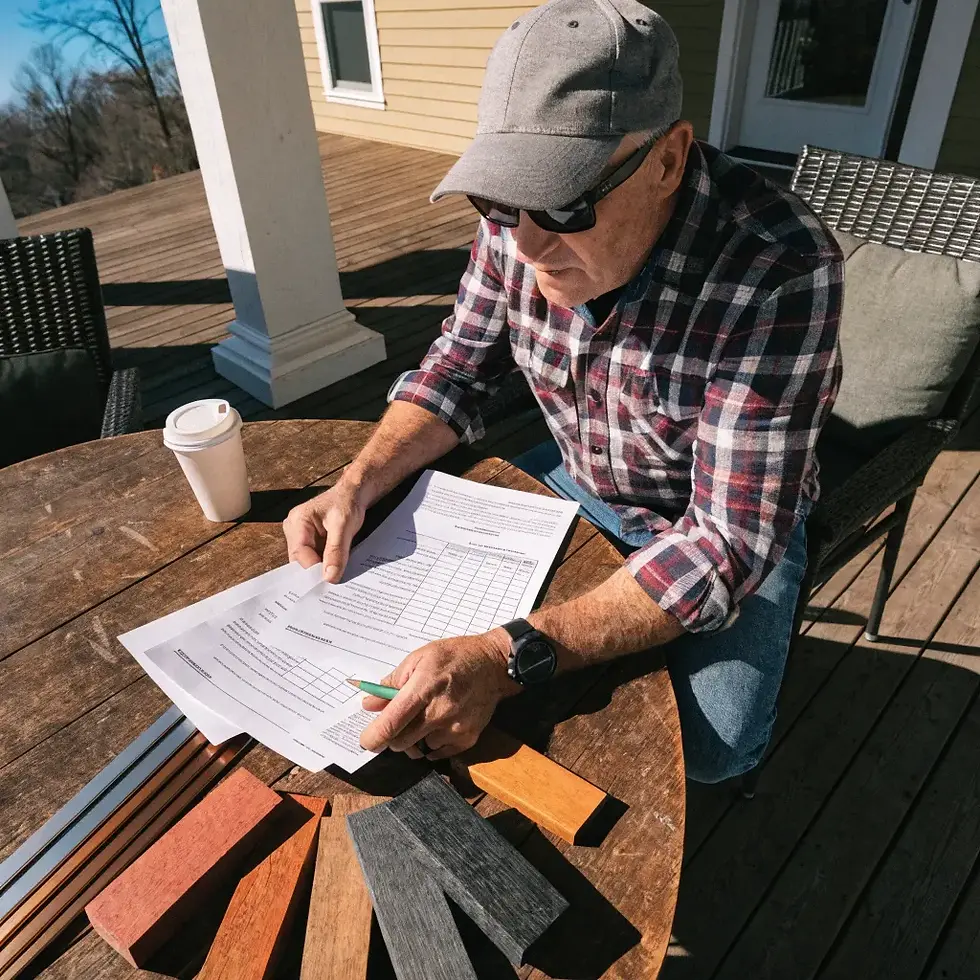
Wood railing: $15–$30 per linear foot installed; most budget-friendly, but factor in $500–$1,500 for repainting every few years.
Composite railing: $20–$40 per linear foot installed; higher upfront cost but near-zero maintenance over its 25+ year lifespan.
Aluminum / wrought iron: $50–$120 per linear foot; wide range depending on ornament complexity and powder coat finishes.
Cable railing: $60–$150 per linear foot installed; stainless hardware and tensioning tools add to upfront cost.
Glass panel railing: $90–$200+ per linear foot installed; most expensive option but delivers the highest visual impact on modern properties.
A typical 40-linear-foot porch railing project runs $1,500–$8,000 fully installed depending on material and design complexity.
Common Mistakes to Avoid
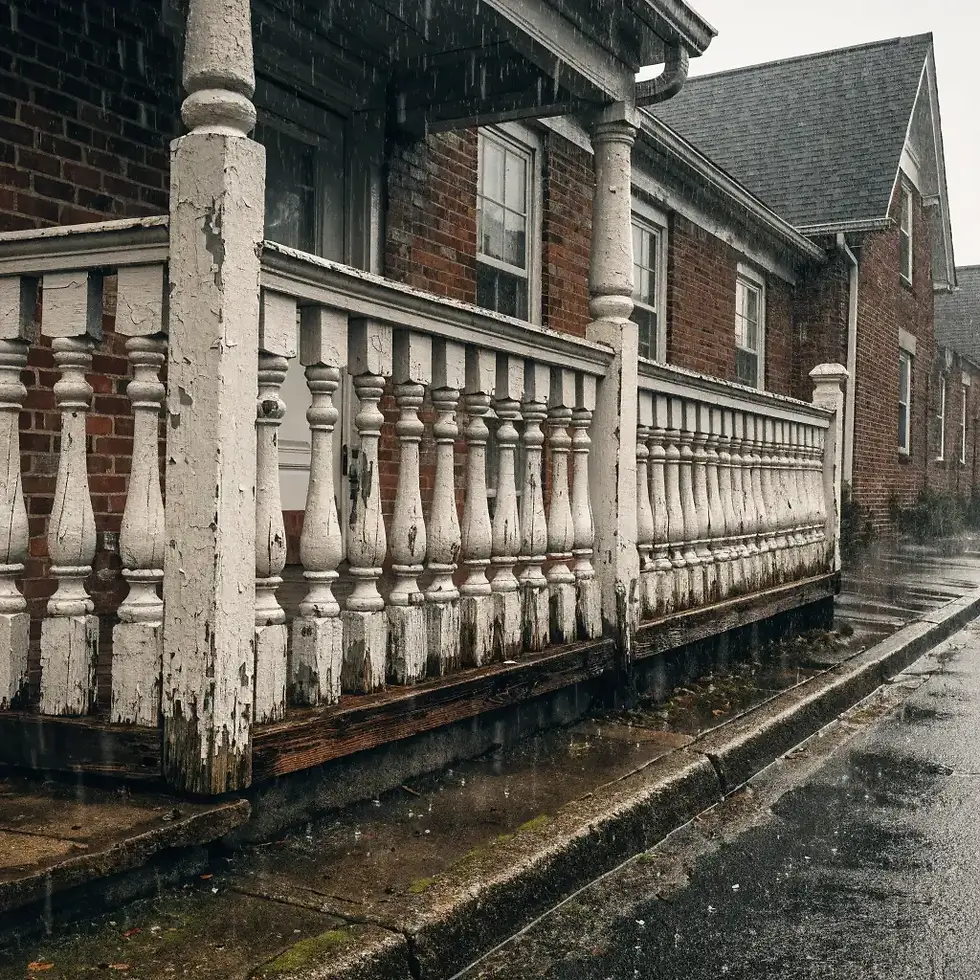
Skipping permits — many homeowners skip this step and face issues at resale when inspectors flag non-code-compliant railings.
Choosing for photos, not for function — Instagram-worthy designs that ignore local wind load, ice, or humidity conditions fail fast.
Ignoring post anchoring — a railing is only as strong as its posts; top rail and balusters matter less if the posts aren't anchored properly into the framing.
Wrong material for climate — untreated wood in humid climates (Florida, Gulf Coast, Pacific Northwest) rots quickly; composite or aluminum is always the smarter call.
Misjudging baluster spacing — gaps over 4 inches fail code and create liability; always measure before installing.
Copying a style that doesn't match the architecture — the railing should feel like it belongs to the house, not like it was found at a clearance sale.
Final Verdict
The problem isn't lack of options — it's that you can't see how a specific railing design actually looks on your porch, against your siding, in your light, until it's already installed.
That's the gap DreamDen AI was built to close.
• See it on your actual home first — Upload a photo of your porch, choose a railing style — cable, chippendale, glass, vertical picket — and DreamDen generates a photorealistic version of your home with that railing in place. Not a generic before/after. Your house, transformed.
• Find professionals who know the style — The platform surfaces designers and contractors who specialise in the exact railing style you chose. No cold calls to general contractors who've never cut a sunburst pattern in their life.
• Shop what you see, directly — Every railing component, material finish, and colour in your generated design is directly shoppable through DreamDen's Moodboard feature. You're not describing a brushed stainless post to a hardware vendor and hoping for the best. You're pointing at it and buying it.
For a porch railing decision that shapes your home's first impression — and can run anywhere from $1,500 to $8,000 — the difference between "I hope this looks good" and "I know this looks right" is exactly the kind of mistake that's hard to undo once the posts are in the ground.
DreamDen closes that gap — before you spend a dollar. Explore DreamDen AI →


Comments