
Dream Kitchen Remodel Tempe, AZ:
- DreamDen AI Editorial Team
- Aug 25, 2025
- 5 min read

Updated: Nov 17, 2025
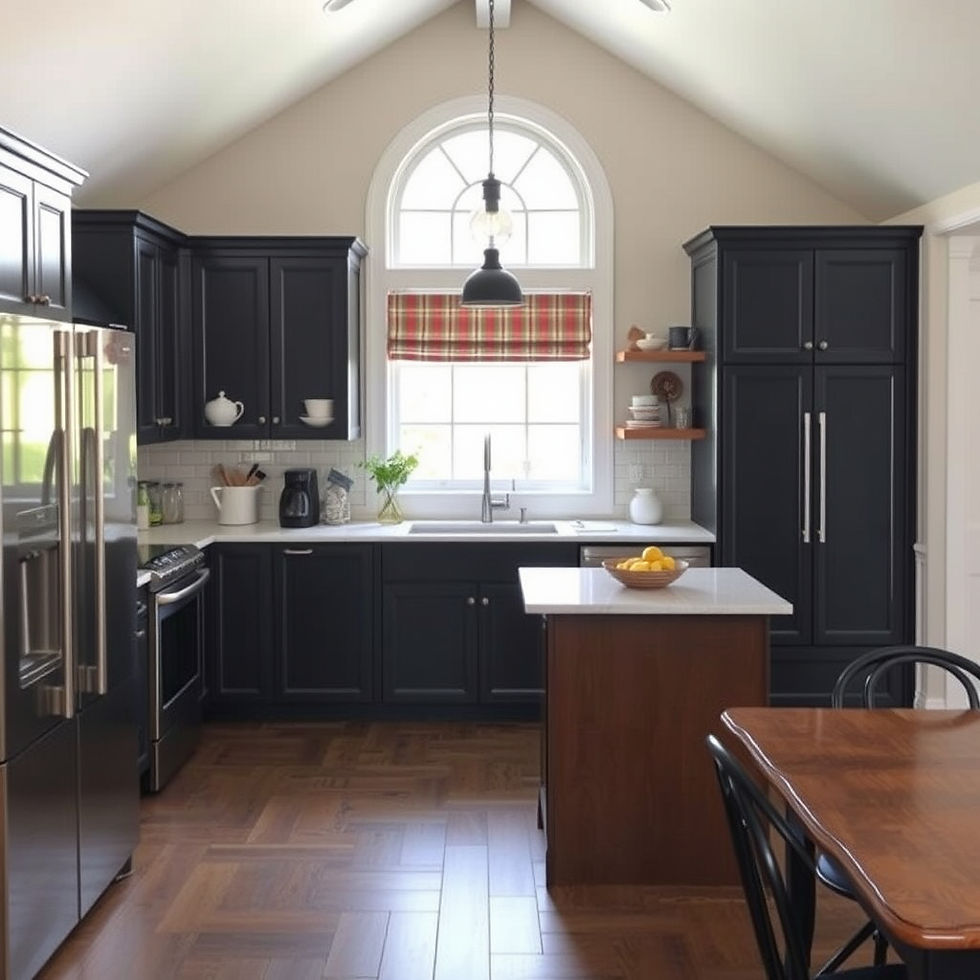
A kitchen remodel in Tempe, AZ is one of the most impactful home upgrades a homeowner can perform. It increases property value, improves livability, enhances energy efficiency, and transforms how a home functions day-to-day. Because Tempe homes include a mix of mid-century houses, 1980s–2000s tract homes, and newly built modern properties, upgrade needs vary significantly. This guide provides a full technical breakdown covering design, planning, materials, workflow, cost, layout engineering, installation sequencing, and all key elements specific to remodeling kitchens in Tempe, Arizona.
1. Understanding Kitchen Remodeling Conditions in Tempe, AZ
1.1 Local Construction Environment
Tempe has unique structural and environmental considerations:
Slab-on-grade foundations are extremely common. This affects plumbing relocation difficulty.
Hard water impacts fixture selection, filtration systems, and appliance lifespan.
High heat climate influences material choices, especially cabinets and flooring.
Common ductwork layouts must be evaluated when venting range hoods.
Typical home ages (1960–2005) often require electrical upgrades to meet modern codes.
1.2 Building Regulations
Kitchen remodels must follow:
City of Tempe building codes
NEC (National Electrical Code) for circuits and GFCI/AFCI protection
IRC (International Residential Code) for structural modifications
Fire safety standards for gas ranges and hoods
Permit if altering:
Plumbing lines
Electrical circuits
Structural or load-bearing walls
HVAC ducting
Unpermitted remodels can affect resale value and insurance compliance.
2. Planning a Kitchen Remodel in Tempe, AZ
A successful remodel starts with a structured planning phase.
2.1 Establishing Scope of Work
Common scopes include:
Cabinet replacement or refacing
Full demolition and rebuild
Layout reconfiguration
Expanding into dining/living areas
Appliance upgrades
Flooring replacement
Electrical capacity upgrades
Countertop changes
Adding pantry or storage systems
Installing energy-efficient ventilation
2.2 Setting Functional Priorities
Arizona homeowners typically prioritize:
Open-concept layouts
Large islands with seating
Quartz countertops
High-efficiency LED lighting
Gas or induction cooking
Walk-in pantry systems
Under-cabinet lighting
Smart appliances
2.3 Choosing a Layout
Common layouts for Tempe homes:
Galley – common in older homes
L-shape – good for small to medium spaces
U-shape – maximizes storage
Peninsula kitchen – popular in 1990s homes
Island-based open layout – most popular remodel upgrade
3. Demolition Phase (Technical Breakdown)
The demolition phase includes removing:
Base and wall cabinets
Countertops
Appliances
Flooring
Drywall (partially or fully)
Soffits (common in 1990s Tempe homes)
Old lighting and electrical fixtures
Backsplash materials
3.1 Hazard & Utility Control
Before demolition:
Shut off plumbing supply lines
Shut off electrical circuits (breaker panel)
Cap and pressure-test plumbing
Protect slab foundation during jack-hammering
Maintain dust control (Tempe homes often have older drywall that produces high dust levels)
3.2 Disposal Requirements
Many cities around Tempe require:
Proper disposal of tile thin-set
Appliance recycling
Avoiding landfill dumping of concrete debris
4. Structural Modifications and Wall Changes
Structural updates include:
Removing load-bearing walls
Installing LVL or steel beams
Creating open-concept layouts between kitchen and living area
Removing soffits
Expanding openings
Tempe’s common truss roof construction typically allows interior wall removal without affecting roof load, but verification by a structural engineer is required.
5. Plumbing Upgrades
5.1 Repiping or Reconfiguring
Since Tempe homes often have slab foundations, plumbing relocation may require:
Concrete cutting
Trenching
Re-routing through attic spaces
5.2 Typical Remodel Plumbing Tasks
Sink drain relocation
Dishwasher line and shut-off valve replacement
Refrigerator waterline installation
Pot-filler installation (popular in Arizona luxury homes)
Garbage disposal setup
Pressure-balanced valves for water supply
6. Electrical Upgrades (Critical in Arizona Builds)
Most kitchens in Tempe built before 2008 require electrical modernization.
6.1 Required Circuitry
2 × 20-amp countertop circuits
Dedicated circuits for:
Microwave
Dishwasher
Refrigerator
Electric oven or induction cooktop
Garbage disposal
Under-cabinet lighting
6.2 Lighting & Controls
Recessed LED can lights
Under-cabinet LED strips
Pendant lights above island
Smart dimmers or automation
Code-required GFCI/AFCI protection
7. HVAC and Ventilation
7.1 Range Hood Requirements
Arizona kitchens require strong ventilation because of:
Year-round cooking
High outdoor temperatures
Tightly sealed energy-efficient homes
Recommended CFM (cubic feet per minute)
Gas range: 600–1,200 CFM
Electric/induction: 300–600 CFM
Ducting must:
Vent outdoors (never into attic)
Use rigid ducting
Avoid excessive elbows
8. Cabinetry Selection
8.1 Cabinet Types
Stock cabinets
Semi-custom cabinets
Full custom cabinets
8.2 Common Styles for Tempe Kitchens
Shaker
Modern slab panel
Raised panel (traditional Southwest homes)
Two-tone cabinets (light uppers, dark lowers)
Natural wood tones (walnut, white oak)
8.3 Functional Features
Soft-close hinges
Full-extension drawers
Pull-out trays
Lazy Susans
Trash pull-outs
Spice drawer organizers
9. Countertop Selection
9.1 Quartz
Most popular in Tempe due to heat resistance and low maintenance.
9.2 Granite
Appealing for natural stone look.
9.3 Porcelain Slabs
Increasingly used for waterfall islands.
9.4 Butcher Block
Used as an accent area, not full kitchen.
Countertop thickness options:
2cm
3cm (most common in Arizona)
10. Flooring Options
10.1 Porcelain Tile
Best for Arizona climate due to heat durability.
10.2 Luxury Vinyl Plank (LVP)
Water-resistant and more comfortable than tile.
10.3 Engineered Hardwood
Acceptable but not ideal for moisture-heavy kitchens.
10.4 Natural Stone Tile
More maintenance but suits high-end remodels.
11. Backsplash Selection
Common backsplash choices in Tempe:
3×12 ceramic subway tile
24×48 porcelain slab panels
Mosaic glass
Marble mosaic
Full-height quartz backsplash
Grouting must withstand high heat and humidity.
12. Appliances
Popular choices:
Gas cooktops
Induction cooktops
Double-wall ovens
Smart refrigerators
Drawer microwaves
Stainless steel dishwashers with low-decibel rating
13. Island Design and Engineering
A kitchen island in Tempe often includes:
Seating
Storage
Electrical outlets
Sink
Dishwasher
Waterfall edges
Pendant lighting
Large islands (7–10 ft long) are extremely popular in modern Arizona homes.
14. Permitting Process in Tempe, AZ
Permits typically required for:
Electrical updates
Plumbing changes
Wall removal
Structural beam installation
Major layout reconfiguration
Permit cost ranges:
$300–$1,200 depending on scope.
15. Full Cost Breakdown (Tempe, AZ 2025 Pricing)
Below are average U.S. and Tempe-specific mid-range prices.
15.1 Full Kitchen Remodel Cost
Kitchen Size | Low | Mid | High |
Small (80–120 sq ft) | $20,000 | $32,000 | $55,000 |
Medium (150–200 sq ft) | $35,000 | $55,000 | $85,000 |
Large (220–300 sq ft) | $50,000 | $80,000 | $120,000+ |

15.2 Component-Wise Cost
Component | Low | High |
Demolition | $800 | $2,500 |
Plumbing | $1,500 | $6,000 |
Electrical | $2,000 | $7,500 |
Cabinets | $6,000 | $30,000 |
Countertops | $2,500 | $12,000 |
Flooring | $2,000 | $9,000 |
Backsplash | $800 | $4,000 |
Appliances | $4,000 | $18,000 |
Vent hood & ducting | $600 | $2,500 |
Drywall & paint | $1,000 | $5,000 |
Hardware & finishing | $300 | $1,200 |
Labor (general contractor) | $8,000 | $25,000 |
16. Construction Sequence Checklist
Planning & measurements
Permits
Material ordering
Demolition
Structural modifications
Plumbing rough-in
Electrical rough-in
HVAC adjustments
Inspection #1
Drywall installation
Flooring installation
Cabinet installation
Countertop template & install
Backsplash installation
Appliance installation
Trim & finishing
Final inspection
Deep cleaning
17. Energy Efficiency Upgrades
Recommended improvements:
LED lighting
Energy Star appliances
Insulated walls
Low-flow fixtures
High-CFM hood with automatic shutoff
Smart thermostats
Radiant barrier if attic work involved
18. Common Mistakes to Avoid
Choosing cheap cabinets unsuitable for high heat
Incorrect CFM range hood sizing
Poor electrical outlet placement
Installing tile on uneven subfloor
Choosing porous materials without proper sealing
Not planning adequate clearance around the island
Insufficient lighting
19. Final Quality Inspection Checklist
A complete remodel in Tempe must be inspected for:
Level cabinets
Proper door and drawer alignment
Countertop seam verification
GFCI/AFCI protection
Plumbing leaks
Vent hood airflow test
Flooring grout integrity
Appliance functionality
Paint consistency
Caulking and silicone seals
Conclusion
A kitchen remodel in Tempe, AZ involves technical planning, design decisions, material selection, code compliance, climate-based considerations, and precise installation sequencing. When executed correctly, a full kitchen remodel can significantly increase a home’s value, efficiency, and functionality. Understanding structure, electrical systems, plumbing limitations, slab foundation constraints, and ventilation demands ensures the remodel meets modern standards and performs reliably for years.


Comments