
Essential Equipment for Maintaining a Tidy and Functional Outdoor Space

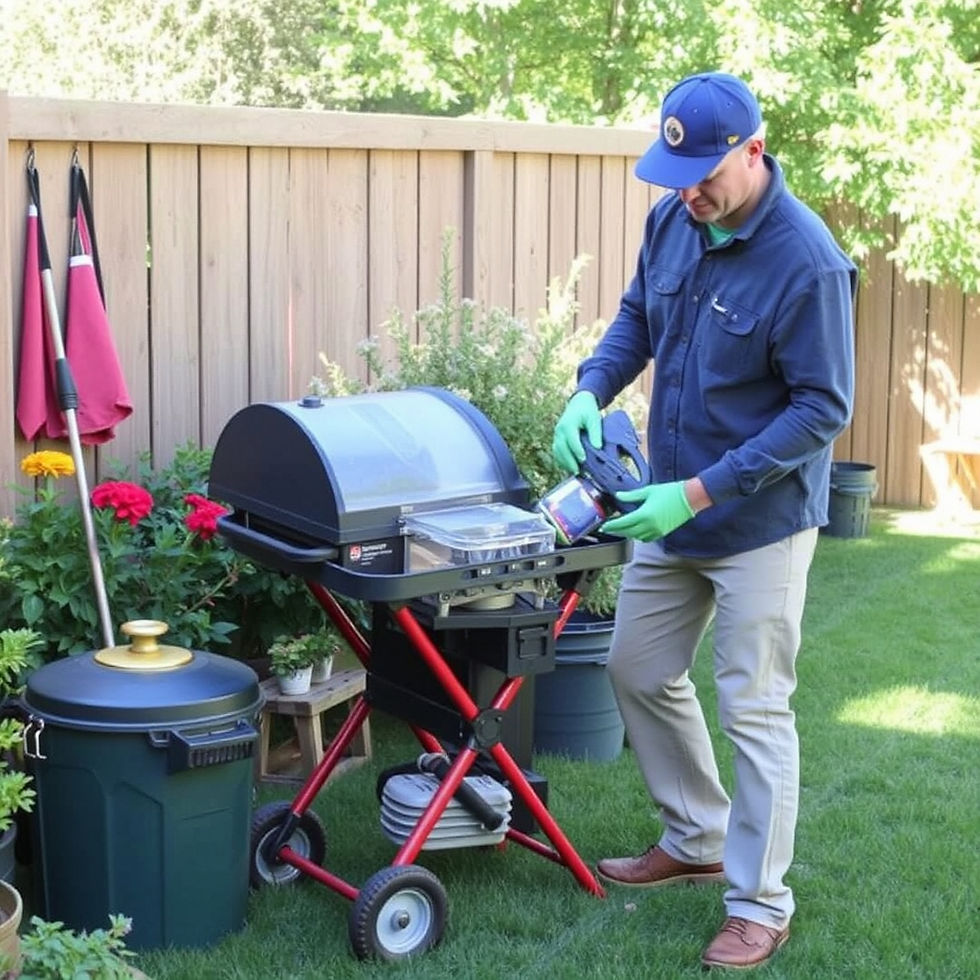
If your garden or lawn feels like it never quite stays neat for long, the experience is very common. A few days of weather changes, natural growth, and regular use can quickly undo even the best intentions. Grass becomes uneven, edges lose their shape, and debris starts to gather in corners and walkways. Before long, outdoor care feels like something that is always waiting to be done.
The encouraging part is that landscaping becomes far more manageable with the right equipment in place. The right tools help maintain healthy lawns, protect garden beds, and keep outdoor areas usable throughout the year. With a thoughtful setup, upkeep feels lighter and more controlled.
This article breaks down the essential equipment that supports easier garden and landscaping maintenance. Read on.
Lawn Mowers

Lawn mowers are the foundation of outdoor maintenance. A consistently cut lawn shapes the entire look of a yard and makes other tasks like trimming and cleanup far easier. When grass is left to grow too long, it tends to trap debris, invite pests, and make the space feel harder to manage overall.
For most homes, there are two main mower types to consider. Each suits different needs based on yard size, storage space, and how hands-on maintenance feels comfortable. These include:
● Gas-powered mowers, which are known for their cutting power and longer run time, are especially useful for larger lawns or thicker grass.
● Electric mowers, which are quieter, lighter, and easier to maintain, are often preferred for smaller yards or more noise-sensitive areas.
Both options can work well when matched to the right environment. Choosing between a gas vs electric lawnmower usually comes down to balancing power needs with maintenance preferences. Gas models require fueling and routine upkeep, while electric models reduce maintenance demands but may have limitations tied to battery life.
If you want more clarity, online resources from experienced equipment providers like Park City Power can be useful. These guides typically explain performance differences, maintenance expectations, and long-term considerations in a straightforward way. Many also offer online options for follow-up questions or exploring purchasing choices when ready.
Trimmers and Edgers
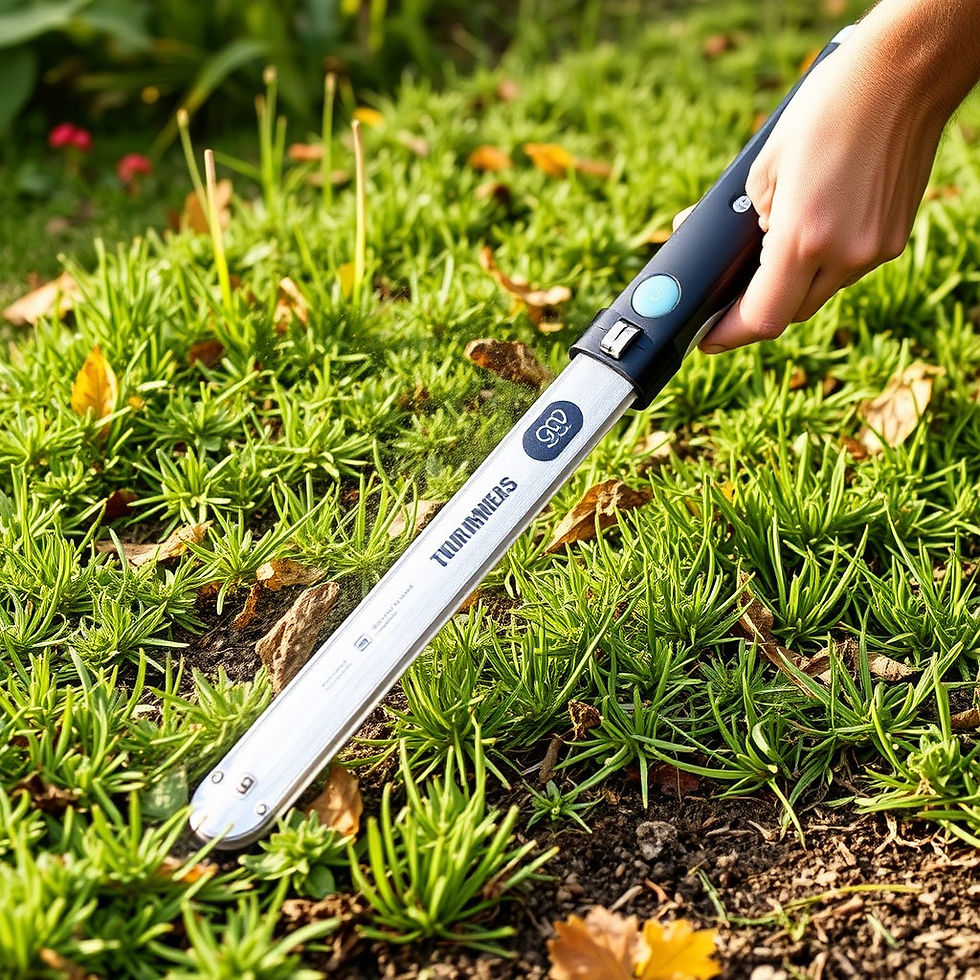
After mowing, trimming and edging are what give an outdoor space a finished look. Grass does not grow evenly, and mowers are limited by size and shape. This leaves areas along fences, garden beds, walkways, and trees untouched, where growth quickly becomes noticeable.
Trimmers help manage these hard-to-reach spots, while edgers create clean lines that separate grass from pavement or landscaping. Together, they bring structure and balance to the yard, making it look intentional rather than overgrown. Without them, even a freshly mowed lawn can appear messy within days.
Regular trimming and edging also support long-term maintenance. By keeping borders under control, it becomes easier to prevent grass from spreading into areas where it does not belong. This reduces the need for larger corrections later and keeps outdoor spaces looking neat with less effort overall.
Leaf Blowers and Cleanup Tools

A functional outdoor space is not just about grass length. It is also about keeping surfaces clear and safe to use. Leaves, grass clippings, dust, and small debris accumulate quickly, especially after mowing or changes in weather.
Leaf blowers and cleanup tools make it easier to maintain these areas without spending hours raking or sweeping. They are particularly helpful for routine upkeep, allowing you to clear messes before they settle into cracks or become slippery.
These tools are commonly used for:
● Clearing driveways, sidewalks, and patios after mowing
● Managing seasonal leaf buildup without heavy raking
● Removing debris from steps, entryways, and outdoor seating areas
● Keeping walkways safer during damp or windy conditions
Using cleanup tools regularly helps maintain both appearance and usability, ensuring outdoor areas stay practical as well as tidy.
Supporting Tools for Everyday Yard Care

Beyond power equipment, everyday tools play a quiet but important role in outdoor maintenance. These are the tools that support small tasks and prevent minor issues from turning into larger problems.
●Garden carts and wheelbarrows make it easier to move soil, mulch, plants, or debris without strain.
● Rakes help manage leaves, level soil, and prepare garden beds.
● Hand tools assist with planting, light edging, and quick fixes that keep outdoor spaces in good shape between larger maintenance sessions.
These supporting tools help homeowners respond to needs as they arise. Instead of waiting for a major cleanup day, small tasks can be handled quickly, keeping the space consistently functional and easier to manage over time.
Wrapping Up
Maintaining a tidy and functional outdoor space is about choosing equipment that works together. When each tool has a clear role, upkeep becomes simpler and more efficient. From mowing and trimming to cleanup and everyday care, thoughtful equipment choices reduce effort and improve results. With the right tools in place, outdoor maintenance feels less like a burden and more like a routine that supports comfort, usability, and long-term enjoyment.


Comments