
Essential Tips for Fixing Your Roof the Right Way

A damaged or aging roof can compromise your entire home’s safety, making timely and effective repairs a top priority. Whether you're dealing with a few missing shingles, a small leak, or more serious structural concerns, fixing your roof the right way is critical to prevent further damage and additional costs down the road. Roof repairs may seem straightforward, but without the proper knowledge and planning, even a minor mistake can lead to major problems. To ensure that your roof stays secure and performs well for years to come, here are six crucial tips every homeowner should follow when tackling roof repairs.
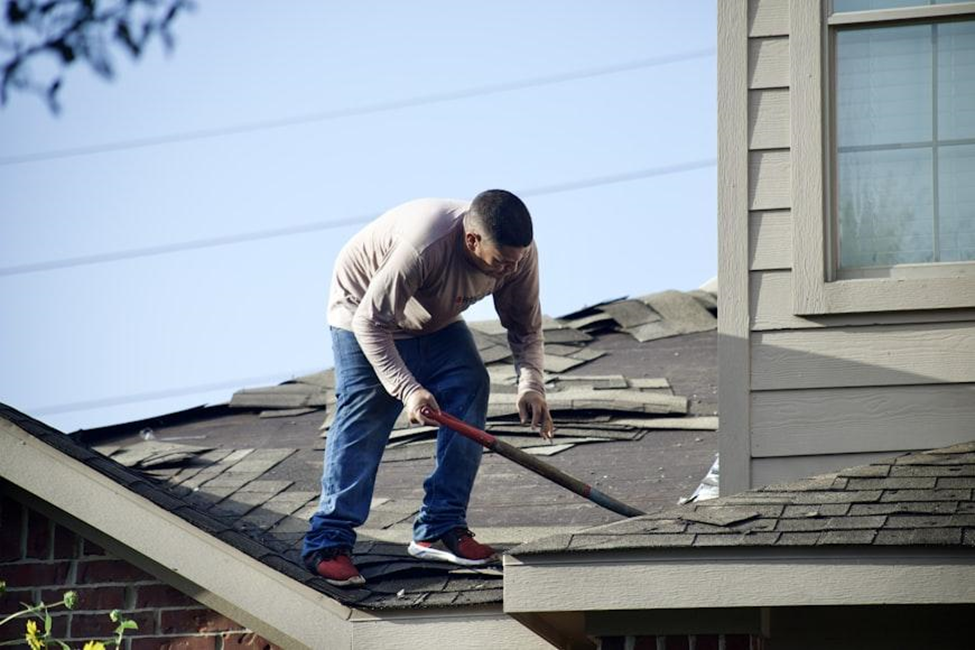
Inspect Thoroughly Before Making Any Repairs and Fixing Roof
Before rushing into any repairs, it’s crucial to perform a detailed inspection of the roof. Start by assessing the interior and exterior areas. Look for signs of water stains on the ceiling, damp spots in the attic, cracked flashing, or warped shingles. Check for granule loss, visible punctures, or sagging areas. Even if the damage seems localized, always examine the entire roof to catch hidden problems early. Small issues like a minor leak can originate from a different location than where water enters the house. A comprehensive inspection ensures that all problems are identified and addressed from the start, which helps prevent repeated repairs.
Use Quality Materials That Match the Original Roof
Choosing the right materials for roof repairs is about function, durability, and compatibility. When replacing damaged sections during tasks like fixing asphalt shingles, it’s critical to use materials that closely match the original ones in composition and quality. Mismatched shingles or inferior substitutes can age differently, warp under different weather conditions, or fail to seal properly, which could lead to further leaks or structural issues. Consistency in material helps ensure the repaired area blends seamlessly and performs reliably. Taking the time to source matching materials can make the difference between a temporary fix and a long-lasting repair.
Prioritize Safety at All Times
Roof repair work often involves climbing ladders, walking on sloped surfaces, and dealing with potentially unstable structures, all of which can pose serious risks if safety is not prioritized. Always use proper safety equipment, including harnesses, slip-resistant shoes, gloves, and protective eyewear. Choose a calm, dry day for the work to reduce the chances of slipping. It’s a good idea to have a partner nearby in case assistance is needed. For steeper roofs or those in poor condition, hiring a professional is often safer and more efficient. Roof work is about protecting yourself while doing it.
Don’t Neglect Proper Ventilation and Insulation
While repairing the outer layer of the roof is important, don’t overlook what lies beneath. Proper ventilation and insulation play a crucial role in your roof’s health. Poor ventilation can lead to excessive moisture buildup, encouraging mold growth and wood rot. In winter, it can cause ice dams that damage shingles and gutters. Inadequate insulation allows heat to escape, increasing energy bills and reducing indoor comfort. During your repair project, inspect attic vents, insulation levels, and airflow paths to ensure everything is functioning properly. Fixing these underlying issues can dramatically extend your roof’s lifespan.
Fix Leaks Immediately and Professionally
Leaks are one of the most common and most urgent roof issues. If you spot any sign of water infiltration, act quickly to prevent structural damage, mold growth, and ruined belongings. Start by locating the source of the leak, which may not be directly above the visible water damage inside the house. Follow the trail of moisture in the attic and inspect areas where flashing, vents, or chimneys intersect with the roof surface. Once the leak is identified, patching it up with temporary solutions like tar or caulk should only be a short-term fix. For a lasting repair, use roofing cement, replace affected shingles or flashing, and consider consulting a professional roofer to ensure the leak is properly sealed.
Schedule Regular Maintenance After the Repair
One of the most effective ways to ensure that your roof stays in good condition after a repair is by implementing a regular maintenance routine. This includes inspecting your roof at least twice a year, once in the spring and once in the fall, as well as after any major storms. Clear away debris like leaves, branches, and moss, as these can trap moisture and damage roofing materials. Check the gutters and downspouts to make sure they’re draining correctly, and trim overhanging tree branches to prevent future damage. With consistent upkeep, you can catch small issues early and keep your roof repair from becoming a repeat job.

Fixing your roof the right way is about more than just replacing a few damaged shingles. It requires a thoughtful, thorough approach that addresses visible damage and hidden vulnerabilities. By inspecting your roof carefully, prioritizing safety, using quality materials, paying attention to ventilation, acting fast on leaks, and maintaining your roof, you set yourself up for long-term success. Whether you’re a hands-on homeowner or prefer to call in professionals, following these important tips will help keep your roof and your home in excellent condition for years to come.


Comments