
Gardening Ideas for Small Spaces

Updated: Aug 7, 2025
This post contains sponsored content, affiliate links, and or paid guest contributions. We value transparency and strive to follow FTC guidelines.

Gardening Ideas
Container gardening is a versatile and manageable way to grow a variety of plants in limited spaces. Here's how you can get started:
Choose the Right Containers
Selecting the appropriate containers is the first step in container gardening. The size and material of the pots will depend on the plants you wish to grow. For instance, herbs and small flowers can thrive in smaller pots, while vegetables like tomatoes and peppers need larger containers. Consider the weight of the container as well, especially if you plan to place them on balconies or shelves. Lightweight materials like plastic or fiberglass may be more suitable than heavier options like ceramic or terracotta.
Different plants have varying root systems, so it's essential to choose containers that provide enough space for roots to expand. Additionally, ensure your containers have adequate drainage holes to prevent waterlogging, which can harm the plants. Experiment with creative container ideas such as repurposed household items like teapots or old buckets to add a unique touch to your garden. p
Use Quality Potting Mix
A high-quality potting mix is essential for container gardening. Unlike garden soil, potting mix is lighter and provides better drainage, ensuring your plants' roots do not become waterlogged. Look for a mix that contains a combination of peat moss, vermiculite, or perlite, which helps retain moisture without becoming compacted.
Consider adding slow-release fertilizers to your potting mix to ensure your plants receive a steady supply of nutrients. Organic amendments like compost or worm castings can also enhance soil fertility and encourage healthy plant growth. Regularly check the moisture level of your potting mix; it should be kept consistently moist but not soggy to maintain optimal plant health.
Select Suitable Plants
Opt for plants that adapt well to containers and your available light conditions. Herbs such as basil, mint, and rosemary are excellent choices for sunny spots, while ferns and hostas do well in shadier areas. Additionally, consider dwarf or compact plant varieties specifically bred for small spaces, such as patio tomatoes or dwarf sunflowers.
When selecting plants, think about the purpose of your garden. Do you want it to be ornamental, edible, or a combination of both? This will help guide your plant choices. Consider the growth habits of your plants and plan for how they will coexist in shared containers, choosing complementary species that thrive together.
Vertical Gardening: Go Up, Not Out
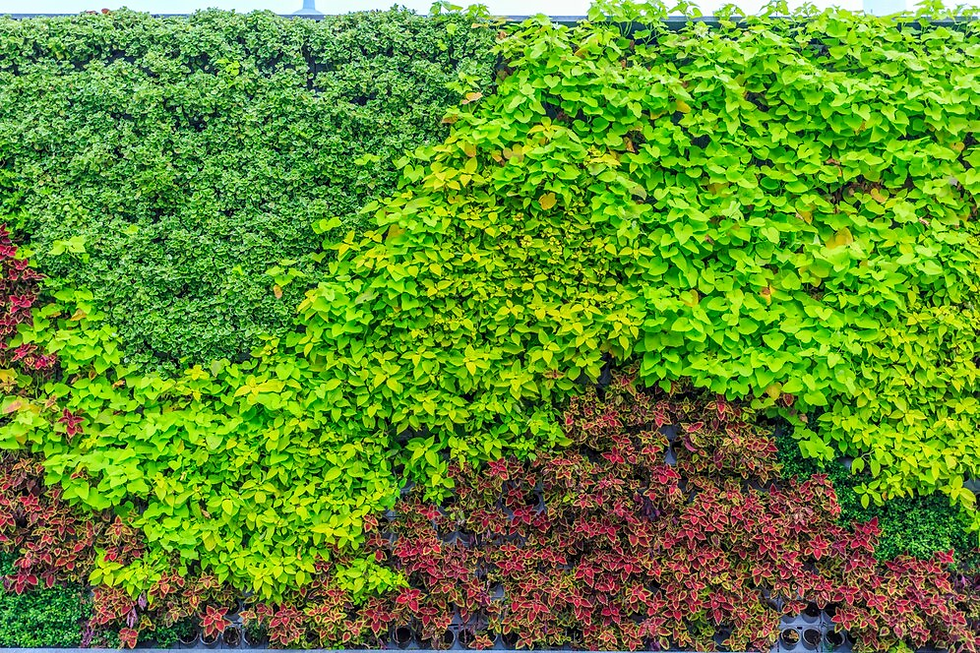
When space is tight, think vertically. Vertical gardening allows you to grow more plants without taking up valuable floor space.
Use Wall Planters and Trellises
Wall planters and trellises are perfect for vertical gardening. You can attach planters directly to a wall or use a freestanding trellis to support climbing plants like beans, peas, or even some varieties of squash. Consider using recycled materials, such as pallets or old ladders, to create cost-effective and environmentally friendly structures. Large rectangular planters are perfect for maximizing growing space along balconies, patios, or narrow walkways.
Ensure that your wall planters or trellises are securely fastened to withstand wind and the weight of growing plants. For added strength and durability, especially with vigorous climbers, consider using steel plant supports. These offer reliable stability and longevity, making them a smart choice for both functional and decorative vertical gardens. Choose plants that are well-suited for vertical growth, such as vining or trailing species. Experiment with different layouts and patterns to create an aesthetically pleasing vertical garden that complements your outdoor or indoor decor.
Create a Living Wall
A living wall, also known as a green wall, is a stunning way to bring nature into small spaces. You can buy pre-made structures or create your own with pockets or panels that hold soil and plants. Living walls can be installed indoors or outdoors, depending on your available space and lighting conditions.
Consider using a variety of plant species in your living wall to achieve a visually interesting and dynamic display. Succulents, ferns, and mosses are popular choices for living walls due to their adaptability and low maintenance needs. Regularly monitor moisture levels in your living wall, as plants may dry out more quickly in vertical arrangements.
Hanging Baskets and Planters
Hanging baskets and planters add greenery at eye level and above. Use them to grow trailing plants like petunias or ivy, which will cascade beautifully over the sides. Choose lightweight materials for your hanging containers to make them easier to install and adjust as needed. To complement your hanging displays, consider adding concrete planters on patios or garden beds. Their sturdy build and timeless look can make them ideal for creating focal points or complementing the more delicate feel of hanging displays. Incorporate a variety of plant types in your hanging baskets, such as trailing vines and upright flowers, to create a lush, full appearance. Consider the sunlight and wind exposure in the location where you'll hang your baskets, and select plants that thrive under those conditions. Regularly check the moisture levels in your hanging planters, as they may dry out faster than ground-level containers.
Raised Bed Gardening: Elevate Your Garden

Raised bed gardening is an effective technique for optimizing space and improving soil quality. Here's how to incorporate it into your small space:
Build or Buy Raised Beds
Raised beds can be constructed from wood, metal, or even recycled materials. They can be custom-built to fit your space perfectly or purchased as kits for convenience. Consider the height of your raised beds; taller beds reduce the need for bending, making gardening more accessible.
When building your raised beds, ensure adequate drainage by placing them on a well-draining surface and incorporating drainage holes if needed. Choose materials that are durable and resistant to weathering to extend the lifespan of your raised beds. Raised beds can also be aesthetically enhanced by painting or staining the exterior to match your garden theme.
Utilize Square Foot Gardening
Square foot gardening is a method that divides your raised bed into square sections, each with a different plant. This technique maximizes space and ensures each plant has adequate room to grow. It also simplifies planning and planting by providing a clear framework for organizing your garden.
Use a grid system or dividers to mark off the sections in your raised bed. Plan your planting layout based on the mature size of each plant and its growth requirements. Square foot gardening encourages crop rotation and succession planting, which can increase productivity and yield in a small space.
Optimize Soil Conditions
Raised beds allow for better control over soil quality. Fill your beds with a mix of topsoil, compost, and other organic materials to create a nutrient-rich environment for your plants. Regularly amend the soil with organic matter to maintain fertility and support healthy plant growth.
Test your soil periodically to monitor nutrient levels and pH balance, adjusting as needed for optimal plant health. Raised beds warm up more quickly in the spring, allowing for earlier planting and extended growing seasons. Mulch the surface of your raised beds to conserve moisture and suppress weeds.
Indoor Gardening: Bring the Outdoors Inside

If outdoor space is truly limited, consider bringing your garden indoors. Indoor gardening can be just as rewarding with the right setup.
Utilize Windowsills
Windowsills are perfect for small indoor gardens. Herbs like chives and parsley do well with bright, indirect sunlight and can be easily accessed for cooking. Make use of window boxes or small pots to maximize your windowsill space.
Consider rotating your windowsill plants regularly to ensure even light exposure and prevent them from growing lopsided. Windowsills with southern exposure typically receive the most light, making them ideal for sun-loving plants. Use saucers or trays under pots to catch excess water and protect your windowsill surface.
Use Grow Lights
If natural light is limited, invest in grow lights. These lights mimic sunlight and can help indoor plants thrive year-round, regardless of your home's lighting conditions. Choose LED grow lights for energy efficiency and adjustable spectrum settings that cater to different plant needs.
Position your grow lights at the appropriate distance from your plants to avoid scorching or inadequate light exposure. Use timers to regulate light cycles, mimicking natural day and night rhythms. Grow lights can significantly expand your plant selection, allowing you to cultivate a wider variety of species indoors.
Choose Low-Maintenance Plants
For those new to indoor gardening, start with low-maintenance plants like succulents or snake plants. These require minimal care and are perfect for busy lifestyles. Low-maintenance plants are often more forgiving of environmental fluctuations, making them ideal for beginners.
Research the specific care requirements of your chosen plants, including watering frequency and humidity preferences. Group plants with similar needs together to simplify your care routine. Over time, you can expand your indoor garden with more complex species as you gain confidence in your gardening skills.
Conclusion: Create Your Small Space Garden
Gardening in small spaces requires creativity and planning, but with the right techniques, it's entirely possible to cultivate a lush and productive garden. Whether you choose container gardening, vertical gardening, or raised bed gardening, each method offers unique advantages for maximizing your space. Don’t let limited space deter you from enjoying the joys of gardening. Start small, experiment with different plants and techniques, and watch your garden flourish. Happy gardening!

Comments