
How Can I Clean Leather Sofa

Updated: Aug 4, 2025
This post contains sponsored content, affiliate links, and or paid guest contributions. We value transparency and strive to follow FTC guidelines.

Before diving into the cleaning process, it's essential to understand the type of leather you are dealing with. Leather sofas come in various types, including full-grain, top-grain, split-grain, and bonded leather. Each type has unique characteristics and requires specific care.
Full-Grain Leather
Full-grain leather is the crème de la crème of leather types. It is known for its durability and luxurious feel. This leather retains all the natural markings and imperfections, which add to its unique character and charm. Because it undergoes minimal processing, full-grain leather develops a beautiful patina over time, enhancing its appearance as it ages.
Despite its durability, full-grain leather requires regular maintenance to keep it looking its best. It's crucial to use specialized leather cleaners and conditioners to preserve its natural oils. Avoid placing full-grain leather furniture in direct sunlight or near heat sources, as this can cause the leather to dry out and crack. For residents in the Los Angeles area, maintaining this exquisite material means seeking expert couch cleaning Los Angeles services to ensure your full-grain leather furniture remains a stunning centerpiece for years to come.
Top-Grain Leather
Top-grain leather is slightly less durable than full-grain leather but offers a smoother finish. It is sanded and buffed to remove imperfections, resulting in a more uniform appearance. This type of leather is often used in high-end furniture due to its balance of quality and affordability.
To care for top-grain leather, regular cleaning and conditioning are essential. Use products specifically designed for top-grain leather to maintain its finish and prevent drying. Like full-grain leather, it should be kept away from direct sunlight and heat sources to avoid damage.
Split-Grain Leather
Split-grain leather is made from the lower layers of the hide, making it less durable and more affordable. It is often coated with a protective finish to mimic the appearance of more expensive leathers. While it lacks the natural feel of full or top-grain leather, it can still be a good option for budget-conscious buyers.
Maintaining split-grain leather involves gentle cleaning and occasional conditioning to preserve its finish. It's important to avoid harsh chemicals that can strip away the protective coating. Regular dusting and wiping with a damp cloth can help keep split-grain leather looking fresh.
Bonded Leather
Bonded leather is composed of leather scraps and fibers bonded together with adhesive. It is the least expensive type of leather and is often used as an affordable alternative to genuine leather. While it offers a similar look, bonded leather lacks the durability and longevity of other leather types.
To care for bonded leather, use mild cleaning solutions and avoid excessive moisture. Since it's prone to peeling and cracking, regular conditioning is necessary to maintain its appearance. Avoid placing bonded leather furniture in high-traffic areas to minimize wear and tear.
Faux Leather
For faux leather, which is made from synthetic materials, the cleaning process is different as it doesn't have the same natural oils as real leather. Faux leather is generally easier to clean and maintain, making it a popular choice for families and pet owners.
To clean faux leather, use a mixture of water and mild soap or vinegar solution. Avoid abrasive cleaners that can damage the material. Since faux leather doesn't require conditioning, focus on keeping it dust-free and wiping up spills promptly to prevent stains.
Regular Maintenance

Regular maintenance is key to keeping your leather sofa in top condition. Dust and dirt can accumulate and cause damage over time if not cleaned regularly.
Dusting Your Sofa
Dusting your leather sofa is the first line of defense against dirt and grime. Use a soft, dry cloth or a vacuum cleaner with a brush attachment to remove dust and loose particles from the surface of the sofa. Make sure to reach into crevices and under cushions where dust can accumulate.
Regular dusting prevents the buildup of dirt that can cause abrasion and wear on the leather surface. It's a quick and simple task that, when done consistently, can significantly extend the life of your leather sofa.
Conditioning Leather
Leather needs to be conditioned to prevent it from drying out and cracking. Conditioning involves applying a leather conditioner to replenish the natural oils and keep the leather supple. Use a good quality leather conditioner every six to twelve months. Apply it with a soft cloth, rubbing gently in circular motions. Allow it to absorb and then wipe off any excess.
Conditioning not only preserves the leather's appearance but also enhances its durability. It helps to protect the leather from everyday wear and tear, ensuring your sofa remains a beautiful and comfortable centerpiece in your home.
Protecting Against Spills
Accidental spills are inevitable, especially in homes with children or pets. To protect your leather sofa from spills, consider using a leather protector spray. These sprays create a barrier that repels liquids, preventing them from soaking into the leather.
If a spill does occur, act quickly to blot it up with a clean, dry cloth. Avoid rubbing the spill, as this can spread the liquid and cause staining. Regularly applying a leather protector can give you peace of mind and make cleaning up spills much easier.
Deep Cleaning Your Leather Sofa

Deep cleaning should be done periodically to remove stains and rejuvenate the leather. It's an essential step in maintaining the sofa's appearance and ensuring it stays in excellent condition.
Cleaning Genuine Leather
Prepare a Cleaning Solution: Mix a few drops of mild soap with distilled water. Avoid using tap water as it may contain minerals that can stain the leather. The solution should be gentle enough to clean without causing damage.
Test on a Small Area: Before applying the solution to the entire sofa, test it on a small, hidden area to ensure it doesn't damage or discolor the leather. This step is crucial to avoid any unwanted surprises.
Clean the Sofa: Dampen a microfiber cloth with the solution and wipe down the sofa gently. Avoid soaking the leather, as excess moisture can lead to mold and mildew. Focus on one section at a time to ensure even cleaning.
Dry the Sofa: Use a dry cloth to wipe away any excess moisture. Ensure the sofa is completely dry to prevent mold and mildew. Proper drying is essential for maintaining the leather's integrity and appearance.
Cleaning Faux Leather
Mix a Cleaning Solution: Combine equal parts of water and white vinegar in a spray bottle. This solution is effective for removing dirt and grime from faux leather surfaces.
Spray and Wipe: Lightly spray the solution on the faux leather and wipe with a soft cloth. Avoid soaking the material, as excess moisture can lead to damage. Work in sections to ensure thorough cleaning.
Dry Thoroughly: Use a clean, dry towel to wipe off any moisture. Ensure the faux leather is completely dry to prevent any potential issues with mold or mildew. Regular cleaning helps maintain the faux leather's appearance and extends its lifespan.
Removing Odors
Leather sofas can sometimes develop unpleasant odors due to spills, pets, or other factors. To remove odors, sprinkle baking soda over the surface and let it sit for a few hours. Baking soda is a natural deodorizer that absorbs odors effectively.
Afterward, vacuum the baking soda off the sofa, ensuring all residue is removed. This simple step can refresh your leather sofa, leaving it smelling clean and inviting.
Removing Stains and Spots
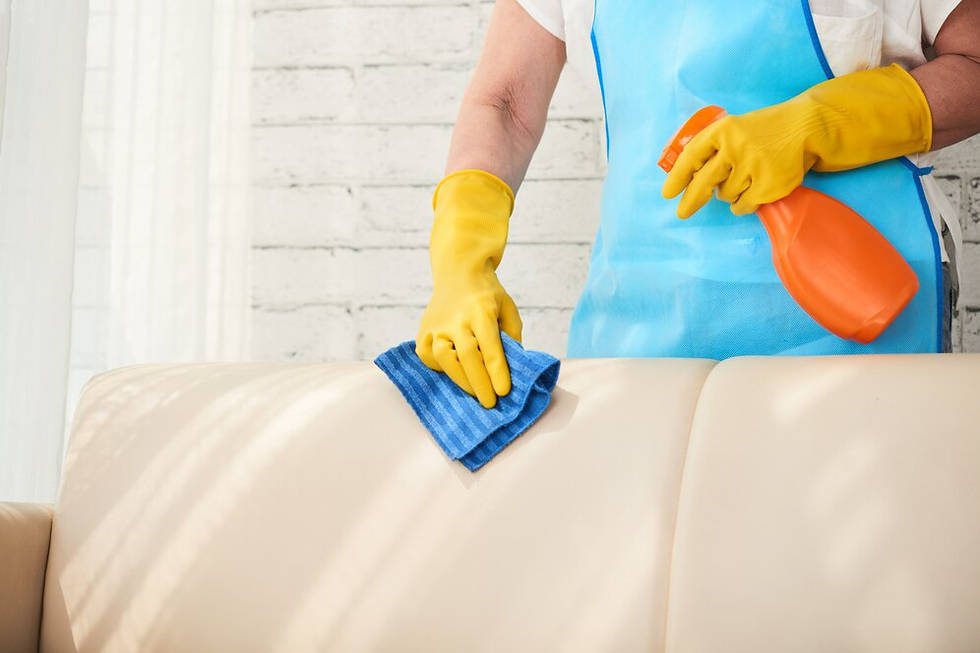
Stains can be particularly tricky to remove from leather. Here's how to tackle common types of stains:
Oil and Grease Stains
Oil stains can be challenging because they penetrate the leather. Sprinkle baking soda on the stain to absorb the oil. Let it sit for a few hours, then vacuum it away. Baking soda acts as an absorbent, drawing the oil out of the leather fibers.
For stubborn oil stains, you may need to repeat the process a few times. Be patient and avoid using harsh chemicals, as they can damage the leather. Regular maintenance can prevent oil stains from becoming a persistent issue.
Ink Stains
Ink stains should be addressed as soon as possible. Use a cotton ball dipped in rubbing alcohol and gently dab the stain. Be careful not to rub, as this can spread the ink and make the stain worse.
If the ink stain persists, consider consulting a professional leather cleaner. They have specialized products and techniques to effectively remove stubborn ink stains without damaging the leather.
Dark Stains
For dark stains, mix one part cream of tartar with one part lemon juice to form a paste. Apply it to the stain, let it sit for 10 minutes, then wipe off with a damp cloth. The combination of cream of tartar and lemon juice acts as a natural bleaching agent. Always test the paste on a hidden area before applying it to the stain. This ensures it won't cause discoloration or damage. Regular cleaning and prompt stain removal can keep your leather sofa looking pristine.
Mold and Mildew
For mold and mildew, mix equal parts of water and rubbing alcohol. Dampen a cloth with the solution and wipe the affected area. Mold and mildew can cause unsightly stains and unpleasant odors if not addressed promptly.
Ensure the area is completely dry after cleaning to prevent the mold or mildew from returning. Regularly checking your sofa for signs of mold and mildew can help you catch and treat it early, maintaining the leather's appearance and condition.
Conclusion
Cleaning and maintaining a leather sofa requires a bit of effort, but the results are worth it. By following these steps and tips, you can keep your leather couch looking beautiful and extend its lifespan. Whether you have a genuine leather or faux leather sofa, regular cleaning and conditioning are the keys to preserving its elegance and comfort. With proper care, your leather sofa can be a stunning centerpiece in your living space for many years to come.
Remember, investing time in regular maintenance not only enhances the appearance of your sofa but also protects your investment. By understanding the specific needs of your leather type and implementing a consistent care routine, you can enjoy the luxury and elegance of your leather sofa for years to come.


Comments