
How Often Should I Change My Air Filter?
- DreamDen AI Editorial Team
- Mar 11
- 3 min read

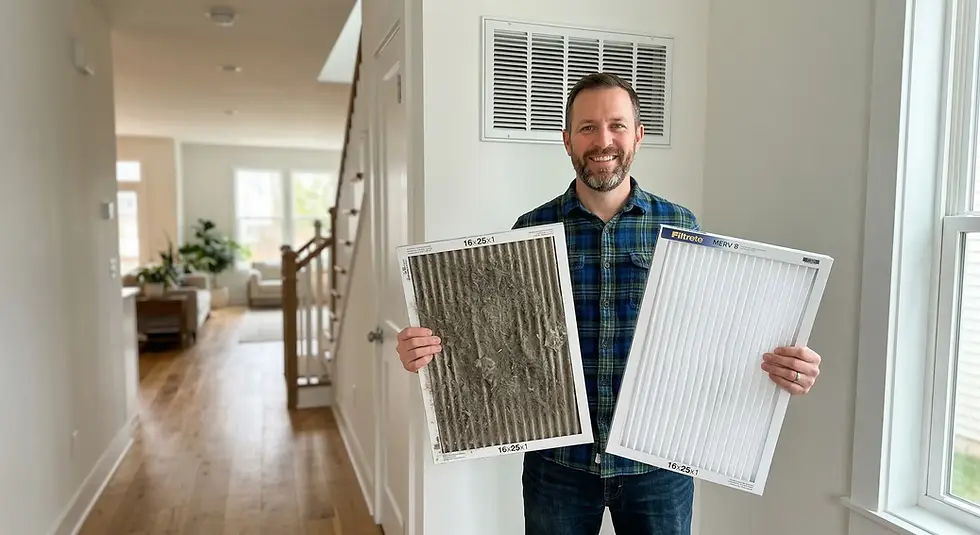
Your HVAC system works hard year-round to keep your home comfortable, and one of the simplest ways to keep it running efficiently is by regularly changing your air filter. Unfortunately, many homeowners forget about this small but important task. A clean air filter helps maintain proper airflow, improves indoor air quality, and protects your heating and cooling system from unnecessary wear and tear. If you’re unsure about the condition of your filter or need help maintaining your HVAC system, the professionals at Clear the Air can help keep everything running smoothly.
The General Rule for Air Filter Replacement
For most homes, air filters should be replaced every 1 to 3 months. However, the exact timing can vary depending on several factors, including the type of filter you use, the size of your home, and your household environment.
Standard 1-inch filters typically need to be replaced every 30 to 60 days, while thicker, high-efficiency filters may last 90 days or longer. Even if your filter is designed to last several months, it’s still a good idea to check it regularly to ensure it isn’t clogged with dust and debris.
Homes With Pets May Need More Frequent Changes
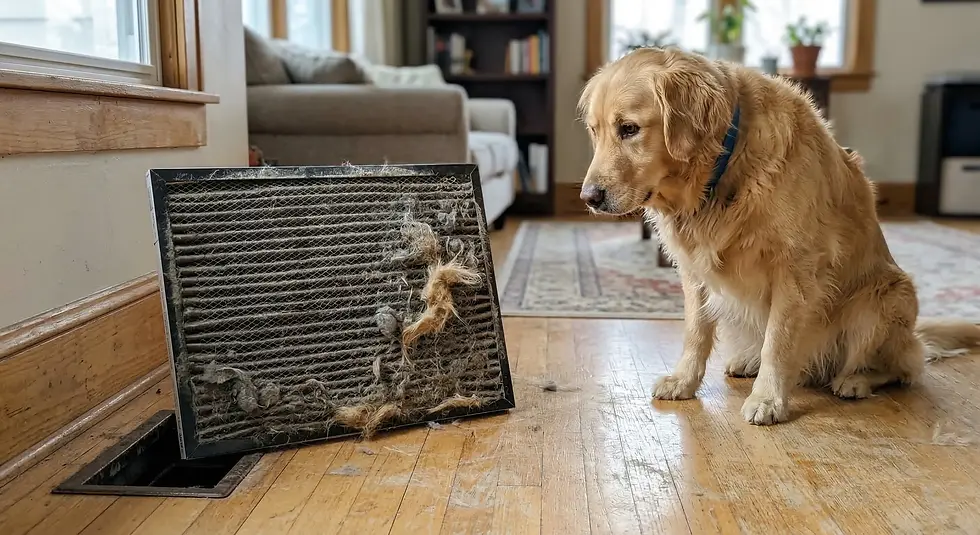
If you have pets, especially dogs or cats that shed frequently, your air filter will likely collect hair and dander faster. Pet fur and dander can clog filters quickly and restrict airflow in your HVAC system. In homes with pets, it’s often best to change the air filter every 30 to 45 days to maintain good airflow and indoor air quality.
Allergy Sufferers Benefit From Frequent Filter Changes

For households with allergy or asthma sufferers, replacing your air filter more often can make a noticeable difference. Air filters help capture dust, pollen, and other airborne particles that can trigger allergies. Changing your filter every 30 days can help improve indoor air quality and create a healthier environment.
Larger Homes May Require More Attention

The size of your home can also affect how quickly your filter becomes dirty. Larger homes with bigger HVAC systems circulate more air, which means the filter collects more dust and particles. Checking the filter monthly ensures it isn’t becoming clogged and restricting airflow.
Signs Your Air Filter Needs to Be Replaced

Even if you follow a replacement schedule, there are signs that your filter may need to be changed sooner. Some common warning signs include:
● Reduced airflow from your vents
● Increased dust around your home
● Higher energy bills
● The HVAC system running longer than usual
● A visibly dirty or clogged filter
When airflow is restricted, your HVAC system has to work harder to heat or cool your home, which can increase energy consumption and shorten the lifespan of your equipment.
Why Regular Filter Changes Matter

Replacing your air filter is one of the easiest and most affordable ways to protect your HVAC system. A clean filter helps your system operate efficiently, improves indoor air quality, and reduces strain on important components. Over time, neglecting this simple maintenance step can lead to reduced performance and costly repairs.
If you’re unsure which type of filter is best for your home or want help with HVAC maintenance, the experts at Clear the Air can provide professional guidance and service. Regular maintenance and simple habits like changing your air filter can go a long way toward keeping your home comfortable and your system running efficiently throughout the year.


Comments