
How to Unclog a Bathtub Drain the Right Way
- DreamDen AI Editorial Team
- Dec 2, 2025
- 7 min read

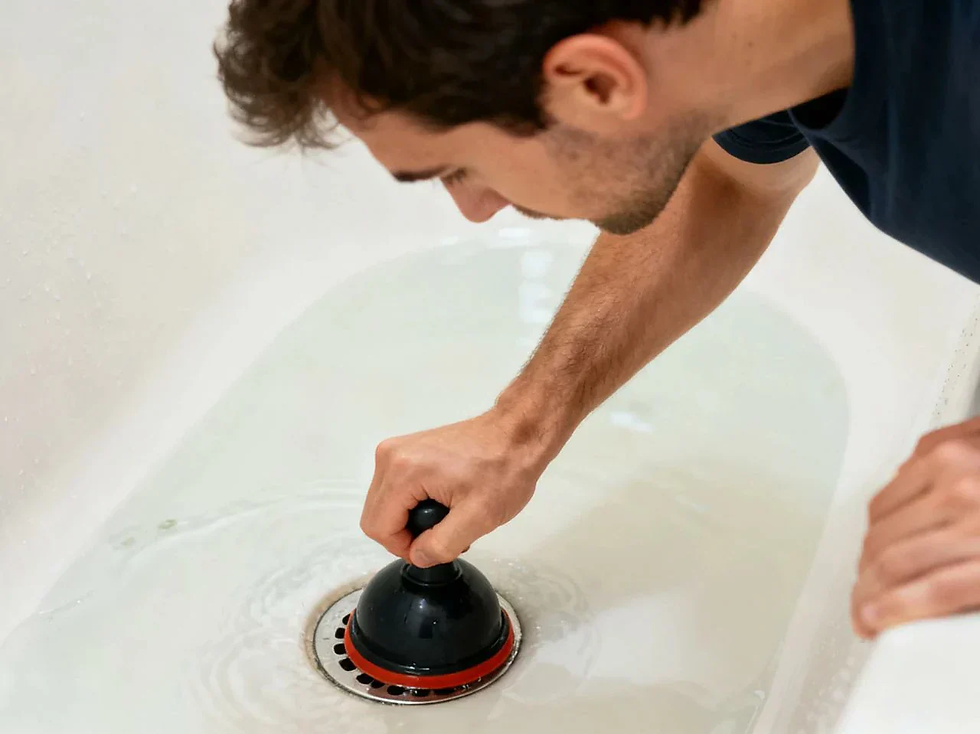
A clogged bathtub drain is a problem almost every homeowner faces at some point. It starts small—maybe water drains a little slower than usual. Then one day the tub fills with water that refuses to go down. Many people panic and reach for chemical drain cleaners, hoping for a quick fix. Unfortunately, these chemicals often cause more harm than good. They may damage pipe connections, weaken plumbing joints, and even create leaks hidden beneath the tub.
This blog explains how to unclog your bathtub drain properly, safely, and effectively, using mechanical methods instead of harsh chemicals. With the right approach, you can remove clogs quickly, avoid expensive plumbing repairs, and keep your drain flowing smoothly for the long term.
The instructions and explanations below are built around three main methods that every homeowner should know. Each method is safe for your plumbing system and follows the principles of proper drain maintenance.
Why Chemical Drain Cleaners Are a Bad Idea
Before diving into the unclogging methods, it is important to understand why chemical cleaners should never be used in bathtub drains.
1. Chemical drain cleaners can damage pipes
Many products like liquid plumber, gel drain openers, or homemade mixtures such as baking soda and vinegar create heat or reactions that can weaken PVC or metal pipes. Over time, this may cause the joints under your tub to leak. Because tub plumbing is hidden behind walls or below floors, the damage may go unnoticed until major water damage occurs.
2. They don’t remove the clog — they only break it apart
Most bathtub clogs are made of hair and soap scum. These clogs do not dissolve fully in chemicals. They may loosen slightly, but the remaining debris often settles again, creating another clog.
3. Chemical cleaners make future repairs harder
If a plumber eventually needs to open the drain system, chemical residue inside the pipes can be dangerous. Plumbers often charge extra to deal with chemically treated drains.
4. Mechanical removal is more effective and safer
Physically removing the clog—rather than trying to dissolve it—is the most reliable way to restore proper drainage.
Where Bathtub Clogs Usually Form
Understanding the internal layout of a bathtub drain helps explain why certain tools and techniques work better than others. A typical bathtub drain system includes:
• Drain shoe
This is the short pipe directly beneath the tub drain opening. It is a common place for hair to collect.
• Overflow pipe
Located behind the tub wall, it connects the overflow opening (near the top of the tub) to the sanitary tee.
• Overflow cover plate
This plate holds the drain lever or simply covers the overflow entrance.
• Sanitary tee
This T-shaped fitting connects the overflow pipe, the drain shoe, and the path to the main drain. It is an extremely common location for blockages.
• P-trap
This curved pipe holds water to prevent sewer gas from entering the home. It is another frequent clog location.
Knowing this layout helps you understand why some clogs can be reached from the drain opening while others require using the overflow opening.
Method 1: Removing the Hair Screen or Pop-Up Drain Stopper
The first and often most effective step is cleaning the drain opening itself. Many clogs sit right below the drain, held together by hair and soap buildup.
Step 1: Remove the pop-up or drain cover
Some tubs use a simple metal screen over the drain. Others use a pop-up stopper assembly.
To remove a pop-up stopper:
Twist the decorative cap counterclockwise.
Use a flathead screwdriver to lift or unscrew the pop-up mechanism.
Pull the assembly straight up to expose the drain.
Most homeowners are surprised at the size of the hair blockage attached to the stopper.
Step 2: Remove visible hair by hand or with needle-nose pliers
Hair clogs often cling to:
the pop-up assembly
the drain shoe
the crossbars inside the drain
Pliers help reach deeper without pushing debris further down.
Step 3: Clear deeper debris with a plastic drain tool (Zip-It)
A Zip-It or similar plastic drain cleaning tool is designed to:
reach deeper into the drain
grab hair from the drain shoe
break up soap buildup
Insert the tool straight down, wiggle it gently, and pull it out slowly. Repeat until the tool comes out clean.
When Method 1 Works Best
This method works well if:
water drains slowly, not completely blocked
the clog is made mostly of hair
you can see debris near the drain opening
If the clog is deeper in the sanitary tee or p-trap, you will need Method 2.
Method 2: Using the Overflow Pipe to Clear Deeper Clogs
If water still drains slowly after clearing the drain opening, the clog may be deeper inside the bathtub plumbing. In this case, using the overflow opening is the most effective approach.
Step 1: Remove the overflow cover plate
The overflow plate is usually held with two screws. Remove them carefully and pull the plate straight forward. You will now see the opening to the overflow pipe.
Step 2: Insert a handheld drain snake
A small handheld snake works perfectly for this job.
The goal is to reach the sanitary tee, where clogs commonly form.
To do this:
Insert the snake cable through the overflow opening.
Guide the cable downward.
Rotate the handle slowly to allow the snake to catch hair or soap buildup.
Once the snake hooks onto debris, pull it out carefully.
Why the Overflow Method Works
Snaking through the overflow is ideal because it:
avoids pushing clogs deeper
allows the snake to follow the natural shape of the pipes
reaches the sanitary tee and p-trap more easily
The sanitary tee joins all drain pathways. If hair or debris collects here, water will back up quickly.
Step 3: Test the drain
After removing debris:
Turn on the bathtub faucet.
Let the water run for a few seconds.
Watch to see if the drain flows freely.
If the clog was in the sanitary tee or p-trap, water should now drain normally.
Method 3: Snaking Through the Drain Opening (When Necessary)
In some bathtubs, the overflow method is not ideal due to pipe angles or drain design. In that case, you may need to snake through the drain opening.
This is similar to Method 2 but slightly more challenging because the drain shoe is a tight bend. A flexible snake works best.
How to Know Which Method to Use
Use Method 1
If the water drains slowly and you see visible hair at the drain opening.
Use Method 2
If the tub drains very slowly or not at all even after removing hair from the drain.
Use Method 3
If the overflow cover plate is hard to remove or the overflow mechanism has a built-in linkage system.
Understanding the Bathtub Drain System: A Closer Look
To explain why certain clog locations are more common, here is a breakdown.
Drain Shoe
This area catches hair that slips through the drain opening. Soap residue binds to the hair, forming a sticky blockage.
Sanitary Tee
Because it connects the drain shoe and overflow pipe, it is a high-traffic location for water and debris. Hair moving from either direction can collect here.
P-Trap
This pipe always holds water. Soap and hair settle at the bottom, causing buildup over time.
Signs Your Bathtub Drain Is Starting to Clog
Catching early warning signs prevents major blockages. Look for:
Water pooling slowly around your feet during a shower
Gurgling noises after the tub drains
A musty or stale smell coming from the drain
Water backing up into the tub
Hair stuck to the stopper or caught in the drain every time you shower
When you notice these signs, do not wait. Addressing the issue early keeps the clog small and manageable.
Why Mechanical Removal Is the Best Approach
Mechanical removal is effective because it:
Physically removes hair instead of trying to dissolve it.
Prevents deeper pipe damage from heat or reactions caused by chemicals.
Allows you to inspect what caused the clog, helpful for future prevention.
Protects pipe connections under the bathtub, which are difficult and expensive to repair.
Works instantly, unlike chemicals which may partially work or fail completely.
Maintenance Tips to Prevent Future Clogs
Preventing clogs is easier than fixing them. Here are simple habits that keep your bathtub drain clear.
1. Install a high-quality drain screen
A good screen traps hair before it enters the drain shoe.
2. Clean the drain screen weekly
A few seconds of cleaning prevents buildup.
3. Avoid washing long hair directly over the drain
Brush hair before showering to reduce shedding in the tub.
4. Rinse with hot water occasionally
Hot water softens soap scum and keeps the drain clear.
5. Avoid pouring oils or thick conditioners directly into the drain
These products bind with hair and form sticky clogs.
Troubleshooting: What If the Drain Is Still Slow?
If you have tried all methods and the drain still does not work properly, consider these possibilities:
1. The clog is deeper in the plumbing system
Some clogs form farther down the branch line that connects to the main drain.
2. The P-trap may be heavily packed
A small handheld snake may not reach far enough.
3. The plumbing vent may be blocked
A blocked vent affects drainage throughout the home, causing slow draining or gurgling.
4. The pipes may be partially collapsed or corroded
Older metal pipes sometimes corrode internally, which narrows the drain passage.
In these cases, professional inspection may be necessary.
Frequently Asked Questions
Why does my bathtub clog so often?
Hair is the main cause. When mixed with soap, it creates a sticky buildup that grows quickly.
Can I use baking soda and vinegar?
This mixture is often recommended online, but it can create pressure and reactions that stress old pipes. Mechanical removal is safer and more effective.
How often should I clean the stopper?
Once every few weeks is ideal, especially for households with long-haired family members.
Will a plunger work on a bathtub drain?
A plunger may help with minor clogs but is rarely effective for hair blockages.
Is it normal for the drain to gurgle?
No. Gurgling often signals a clog forming in the sanitary tee or P-trap.
Conclusion: Safe and Effective Bathtub Drain Cleaning for Every Homeowner
Clogged bathtub drains are extremely common, but they do not require chemicals or expensive repairs. By learning how to remove the hair screen, use a Zip-It tool, and snake the overflow pipe, any homeowner can clear most blockages quickly and safely.
The keys to success are:
Avoid all chemical cleaners
Remove clogs mechanically
Understand where clogs form in the bathtub plumbing system
Use simple tools that are safe for pipes
Prevent future clogs with good habits
These steps will keep your bathtub draining smoothly and protect your plumbing system from unnecessary damage.


Comments