
Minimalist Living Room Ideas
- DreamDen AI Editorial Team
- Dec 25, 2025
- 6 min read


A minimalist living room is about keeping things simple and calm. It is not about having an empty room or living without comfort. It is about choosing only what you really need and removing everything else. When there is less mess, your mind feels more relaxed too.
Here are 20 easy and practical ideas to create a minimalist living room that feels peaceful, comfortable, and easy to enjoy every day.
1. What is a Minimalist Living Room?

Most people think minimalism means an empty room with one chair and white walls. While it can look like that, true minimalism is actually about intention. It means everything in the room has a purpose or brings you joy.
A minimalist living room focuses on:
Function: Does this sofa actually work for my family?
Space: Can I walk through the room without bumping into things?
Beauty: Is this one piece of art so beautiful that I don't need five others?
When you remove the "noise" (the extra pillows, the old magazines, the small decorations), the real beauty of your home can shine.
The Core Principles of Minimalism

Less is More
This is the most famous rule. Instead of having ten small pictures on the wall, have one large, beautiful painting. Instead of five different chairs, have one high-quality, comfortable sofa.
Negative Space
In design, "negative space" is the empty space around objects. In a minimalist room, we want empty space. It allows your eyes to rest. Don't feel like you have to fill every corner with a plant or a lamp.
Form Follows Function
Every piece of furniture should be comfortable and useful. If a chair looks cool but hurts your back, it doesn't belong in a minimalist home.
20 Minimalist Living Room Ideas
1. Use Only a Few Colors

Choose two or three soft colors for your living room. White, beige, light gray, and soft brown work very well. Using fewer colors helps the room feel calm and clean.
Avoid bright or very strong colors if you want a minimalist look.
2. Pick a Simple Sofa

Your sofa should be comfortable but not bulky. Choose a sofa with clean lines and simple fabric. Neutral colors like gray, beige, or cream are best. The sofa should fit the room, not overpower it.
3. Leave Some Space Empty

Empty space is important in minimalist design. You do not need to fill every corner of the room. Leaving space helps the room feel open and peaceful. An empty area is not wasted. It helps everything else look better.
4. Keep Only Necessary Furniture

You do not need much furniture in a minimalist living room. Usually, a sofa, a chair or two, a coffee table, and a light are enough. If you do not use something often, remove it.
5. Use Natural Materials

Wood, cotton, linen, wool, and stone make the room feel warm and natural. These materials look simple but beautiful. Natural materials help the room feel cozy without adding clutter.
6. Keep Walls Simple

Do not overcrowd your walls. One large picture or artwork is enough. You can also leave the walls empty if you like. Simple walls make the room feel calm and open.
7. Use Soft Lighting

Lighting should feel warm and gentle. Use floor lamps, table lamps, or soft wall lights. Let in as much natural light as possible during the day. Avoid very bright or harsh lights.
8. Choose a Simple Coffee Table

Pick a coffee table with a clean shape. Wood, glass, or stone tables work well. Avoid tables with heavy designs or extra shelves. The table should be useful but not stand out too much.
9. Use Very Little Decor

Decor should be simple and meaningful. One vase, one bowl, or a small stack of books is enough. Too much decor makes the room feel messy.
10. Hide Small Items With Storage

Use cabinets or storage boxes with doors to hide things like remotes, cables, and papers. This keeps the room looking clean. Closed storage helps reduce visual clutter.
11. Add Texture, Not Patterns

Instead of busy patterns, use texture. Soft rugs, knitted pillows, or wooden surfaces add interest without noise. Texture makes the room feel warm and inviting.
12. Choose One Main Focus

Every room should have one main focus. This could be a window, a sofa, a fireplace, or a piece of art. Everything else in the room should support this main focus.
13. Keep Curtains Light

Use light curtains like sheer or linen fabric. They let light in and make the room feel airy.
Avoid heavy or dark curtains.
14. Use a Simple Rug
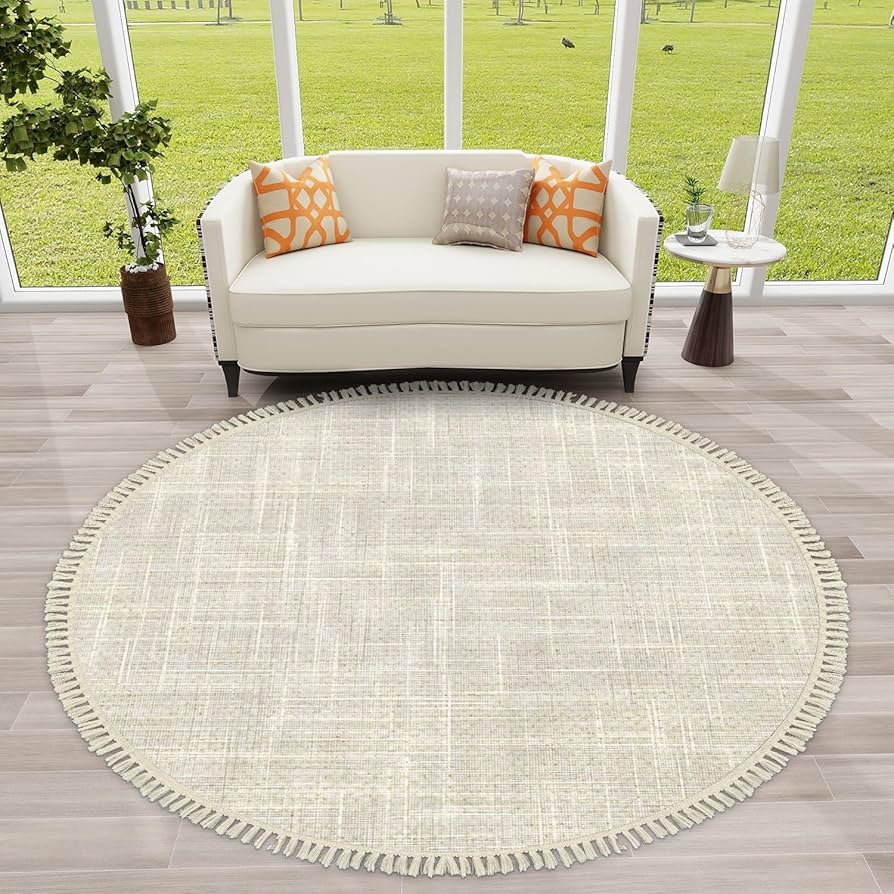
A rug helps define the seating area and adds comfort. Choose a plain rug or one with very soft texture. Neutral colors work best for minimalist spaces.
15. Hide Cables and Electronics

Try to hide TV cables, chargers, and other electronics. Use cable organizers or furniture that hides them. Less visible technology makes the room feel calmer.
16. Add One or Two Plants

Plants bring life into a room. You do not need many. One large plant or two small ones are enough. Use simple pots that match your room colors.
17. Keep Tables Clear

Do not fill tables with random items. Leave them mostly empty. One small object is enough.
Clear surfaces help the room feel tidy and peaceful.
18. Choose Simple Shapes

Furniture with simple shapes looks clean and timeless. Straight lines and soft curves work best. Avoid furniture with too many details.
19. Remove Things Regularly

Minimalism is not done once. Every few months, look around your living room and remove things you no longer need or use. This keeps the space fresh and uncluttered.
20. Design for Your Real Life

Your living room should match how you live. If you like reading, keep a chair and lamp. If you host guests, focus on comfortable seating. Minimalism should make life easier, not harder.
Decorating Without the Clutter
Yes, you can still decorate! But you must be "selective."
The Rule of Three
When decorating a surface (like a coffee table), use the "Rule of Three." Group three items of different heights. For example: A stack of two books, a candle, and a small vase. This looks intentional, not messy.
Wall Art
Instead of a "gallery wall" with 20 small frames, try one oversized piece of art. It creates a focal point and makes the room feel much more expensive and modern.
Greenery
Plants are the perfect minimalist decoration. They add color and "organic" shapes without adding clutter. A tall "Fiddle Leaf Fig" or a simple "Snake Plant" in a ceramic pot is often all you need.
Common Mistakes to Avoid
Too much white.
Tiny rugs.
Forgetting about "real life.
Minimalist Living Room FAQs
1. Is a minimalist living room expensive to create?
No. Minimalism can actually save money. You buy fewer items and focus on what you truly need. You can reuse what you already have and slowly remove extra things instead of buying new furniture.
2. Can a minimalist living room work for families with kids?
Yes. Minimalism works well for families because it reduces mess. Fewer items mean easier cleaning and organizing. Storage solutions help keep toys out of sight when not in use.
3. Is minimalist design boring?
No. Minimalist spaces feel calm, not boring. The focus is on comfort, light, and balance. When done well, the room feels peaceful and welcoming, not empty.
4. How do I keep a minimalist living room clean every day?
Daily cleaning is easier with fewer items. A quick tidy-up usually takes only a few minutes. When everything has a place, mess does not build up.
5. Can I mix minimalism with other styles?
Yes. Minimalism works well with styles like Scandinavian, Japandi, modern, or even rustic. The key is keeping things simple and not overcrowding the space.
6. What if I like personal items and memories?
Minimalism does not mean removing all personal items. You can keep meaningful objects. The idea is to choose a few special pieces instead of displaying everything at once.
7. Does a minimalist living room feel cold in winter?
No, if done correctly. Warm lighting, soft fabrics, rugs, and natural materials make the space feel cozy even in colder months.
8. How long does it take to create a minimalist living room?
It depends on your pace. Some people do it in a weekend, others take weeks or months. Minimalism works best when done slowly and thoughtfully.
9. Is minimalism good for small living rooms?
Yes. Minimalism is especially good for small spaces. Fewer items make the room feel bigger, brighter, and easier to move around in.
10. Do I need to throw things away to be minimalist?
No. You can donate, sell, store, or repurpose items. Minimalism is about being intentional, not wasteful.
Final Thoughts
A minimalist living room is about calm, comfort, and clarity. You do not need expensive furniture or perfect styling. You just need intention and simplicity. When you keep only what matters, your living room becomes a place where you can truly relax, think clearly, and feel at home.



Comments