
Moving Melbourne to Canberra? How to Design Your New Home Layout Before You Unpack a Single Box

Updated: Jan 23
Moving interstate can feel like your life is getting poured into boxes, then shaken up on the road. The good news is you can make the landing in Canberra feel calmer — not by unpacking faster, but by planning smarter. If you know where key pieces will live before the truck arrives, you’ll avoid the classic chaos: furniture in the wrong rooms, boxes stacked everywhere, and days spent redoing what you “just set up”.
That’s where a layout-first approach helps. Instead of treating design as a post-move project, you treat it as part of the move itself. A few simple measurements, a rough floor plan, and a clear idea of how you use each space can save hours of decision fatigue. It also prevents you from moving things you don’t need. The more intentional you are now, the lighter your move and the smoother your first week.
Dream home setups aren’t built by scrolling endlessly after you arrive. They’re built by choosing priorities: function first, flow second, style third. Once the basics work — storage, lighting, workspace, walkways — your décor choices become easier and more satisfying. This guide walks through how to plan your Canberra layout before you open a single carton, so you can unpack with purpose and make your new place feel like home faster.
Start With Function: A Room-by-Room Plan Based on How You Actually Live
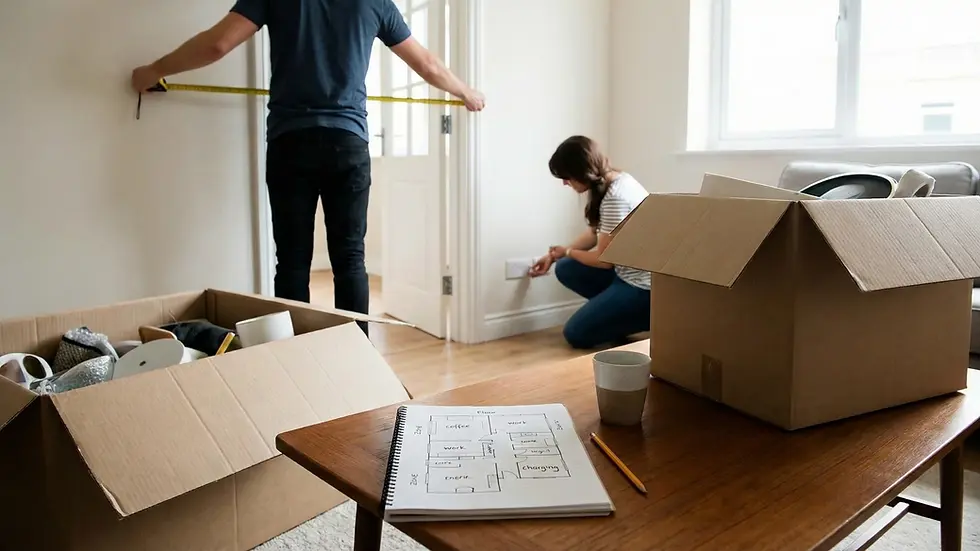
Begin with your daily routines, not your Pinterest board. List what you do each day in each room: where you drop keys and bags, how you cook, where you work, and what needs to be within arm’s reach. Then translate that into “zones” — a kitchen prep zone, a coffee station, a work zone, a charging zone, a laundry drop zone. When you plan around habits, you stop fighting your space and start using it naturally.
Next, do a quick measurement sweep so your plan is realistic. Measure doorways, hallways, and the main wall lengths in each room, plus the size of your largest items (sofa, dining table, bed frames, desks). Mark power points and windows so you know what can actually go where. This takes less than an hour and prevents the worst unpacking mistake: setting up heavy furniture in the wrong spot, then having to move it again once the room starts filling with boxes.
Visualise Before You Move: How ai seo experts Shape the Way People Discover Home Design Tools

A lot of people assume finding the “right” home design tool is just a matter of searching and clicking the top result. In reality, discovery is shaped by how information is organised, explained, and surfaced across the web — and that’s where ai seo experts come in. When tools and guides are easy to understand, compare, and trust, they get recommended more often, shared more widely, and end up being the ones people rely on during high-stress moments like an interstate move.
For your move, the practical takeaway is simple: use tools that reduce decisions, not add them. Pick one place to map your layout — even a basic floor-plan app, a template, or a visual “zones” checklist — and commit to it. Before you arrive, document the essentials: where the bed goes, where the couch goes, where your work setup lives, and what rooms will stay boxed for a week. The goal isn’t perfect interior design; it’s a functional plan you can execute quickly.
To keep it realistic, visualisation should be paired with constraints. Note measurements, door swings, walkways, and power points, then plan around them. If you’re moving with a partner or family, share the plan and agree on priorities, so you’re not debating furniture placement while the hallway fills with boxes. A simple visual plan turns unpacking into a sequence: set up key rooms first, park boxes in the right rooms, and leave “nice-to-have” styling until the home is usable and calm.
The Pre-Unpack Setup: Where Furniture Goes First, What Stays Boxed, and What Gets Donated

The fastest way to feel settled is to set up “anchor rooms” first. Start with the bedroom (bed frame, mattress, linen, bedside lighting), then the kitchen basics (kettle, mugs, a few pans, plates, bin bags), and then your workspace if you work from home. These three areas create stability: you can sleep, eat, and function. Everything else can wait. When you lead with anchors, you reduce stress and stop the move from spilling into every corner of the house.
Next, assign each room a box “parking zone” so clutter doesn’t spread. As boxes come in, they go straight to the room they belong to, not the hallway. Keep one clear walkway through the home so you can move safely and find things. Open only what you need for the first 48 hours, and leave the rest sealed. This prevents the classic mistake of exploding five boxes at once and ending up with mess, not progress.
Finally, use the move as a filter, not just a transfer. If you’ve packed something and still haven’t needed it in weeks, consider donating it instead of unpacking it. Create three piles as you go: keep, donate/sell, recycle/bin. Canberra homes and storage setups can differ from Melbourne, so let the new space guide what earns a place. The lighter your unpacking load, the faster your layout plan becomes real — and the easier it is to style thoughtfully once the essentials are done.
Booking the Move: What to Ask interstate removalists melbourne to canberra So Your Plan Doesn’t Fall Apart

When booking interstate removalists melbourne to canberra, the goal is to protect your timeline. Start with a quote that’s clear on what’s included: truck size, number of movers, travel time, fuel, tolls, stairs, long carries, and any dismantling or reassembly. Confirm whether it’s hourly or fixed, and what changes the price. A transparent scope matters because your unpacking plan depends on timing — delays can mean lost access windows, late arrivals, and boxes landing in the wrong rooms.
Next, confirm the logistics that commonly break plans. Ask about pickup and delivery windows, whether your job is shared-load or dedicated, and how updates are provided during transit. Confirm access at both ends: where the truck can park, what the carry distance is, and any building rules for lifts or loading bays. If you have fragile pieces or tight spaces, flag them early so protection and manoeuvring are planned, not improvised when the home is already filling up.
Finally, reduce moving-day friction with simple instructions. Share your room list and label system so boxes are placed correctly the first time, and identify “anchor room” priorities like the bedroom and kitchen. Ask movers what they need from you to keep things moving — keys, lift bookings, parking permits, or clearance for tight turns. A professional team will appreciate clarity, and you’ll get the payoff immediately: less rework, fewer heavy relocations inside the house, and a faster setup of the spaces you use daily.
Conclusion
A smoother interstate move isn’t just about transport — it’s about arriving with a plan you can execute. When you design your layout before you unpack, you reduce decision fatigue and turn the first week into a sequence of small wins. Start with function, measure what matters, and visualise a simple setup for your anchor rooms. Once the home works day-to-day, the styling becomes enjoyable instead of overwhelming.
The final step is keeping the plan intact through good logistics. Clear quotes, realistic delivery windows, and smart access checks prevent the day from dragging out and undoing your preparation. Prioritise the essentials, keep boxes going to the right rooms, and let the move be a chance to declutter rather than carry clutter forward. Do that, and your Canberra home will feel settled faster — and genuinely yours.


Comments