
Small Kitchen Renovations That Make the Biggest Difference


Not every kitchen needs a complete teardown to feel brand new. Sometimes the most effective changes are the ones that target specific pain points without emptying your bank account or turning your home into a construction zone for months. The trick is knowing which updates deliver real results versus which ones just look good in photos but don't change how the space actually works.
Most people assume a proper kitchen update means ripping everything out and starting from scratch. But that's not always the case. Plenty of kitchens have good bones and decent layouts—they just need the right tweaks to bring them into this decade and make them more functional for daily use.
Cabinet Refacing Gets You Halfway There

Here's something most people don't realize until they start pricing things out: cabinets typically eat up about 40% of a kitchen renovation budget. That's a massive chunk of change. But if your existing cabinets are structurally sound and the layout works, you don't necessarily need to replace them entirely.
Cabinet refacing involves keeping the cabinet boxes but replacing the doors, drawer fronts, and hardware while adding a new veneer to the visible frame. The result looks completely different, but the cost runs about half of what new cabinets would set you back. For homeowners working with a tighter budget, this option opens up room to put money toward other updates that might have seemed out of reach. Working with specialists who understand both design and construction helps ensure the refaced cabinets integrate properly with any other changes being made—something a kitchen renovation Newcastle team can coordinate from start to finish.
The thing is, refacing only works if the cabinet boxes themselves are worth keeping. Water damage, structural issues, or a layout that fundamentally doesn't work means replacement might be the only real option. But for many kitchens, the bones are fine—they just look tired.
Countertops Set the Tone
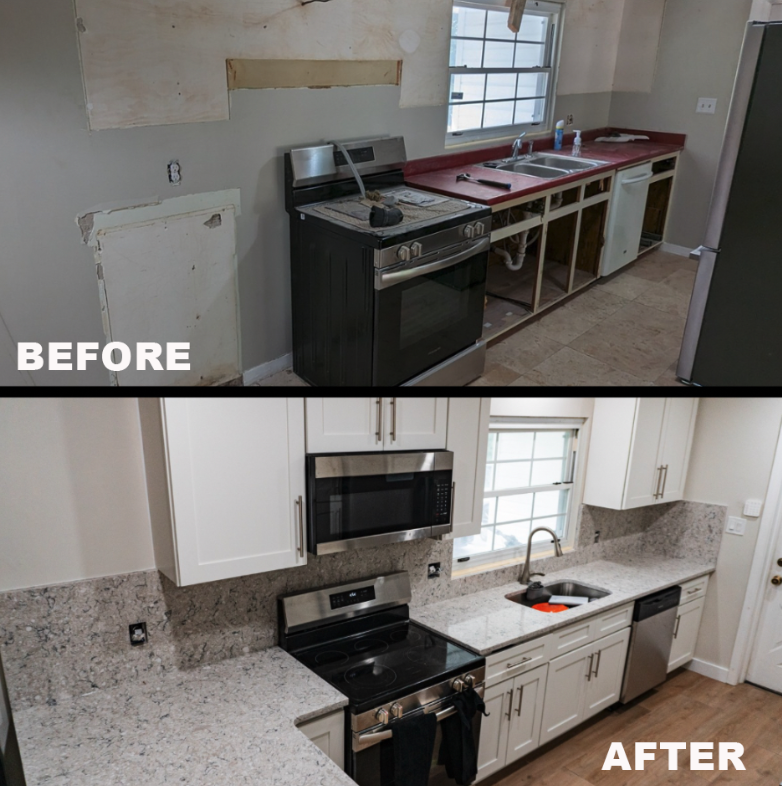
Countertops take up a lot of visual real estate in a kitchen, which means they have an outsized impact on how the whole space feels. Old laminate counters with visible seams and worn edges can make an otherwise decent kitchen look dated and cheap. Swapping them out for something more durable and better-looking changes the entire vibe.
Stone countertops remain popular for good reason—they hold up well and add a quality feel that's hard to fake. But there are plenty of options at different price points now. Quartz offers durability without the maintenance headaches of natural stone. Solid surface materials can be shaped and joined seamlessly. Even high-end laminate has come a long way if budget is tight.
The key is matching the material to how the kitchen actually gets used. A household that cooks constantly needs something that can handle heat, knife marks, and frequent cleaning without showing wear. A kitchen that sees lighter use can get away with materials that prioritize appearance over battlefield-grade toughness.
Lighting Makes or Breaks the Space

This one gets overlooked constantly, but poor lighting ruins even expensive kitchens. That single overhead fixture in the center of the room? It's not enough. It creates shadows exactly where you need to see what you're doing and makes the whole space feel flat and uninviting.
Proper kitchen lighting works in layers. Task lighting under the cabinets illuminates work surfaces so you're not chopping vegetables in your own shadow. Pendant lights over an island or eating area add focused light where people gather. Even something as simple as upgrading to LED fixtures with better color rendering makes food look more appealing and the space feel more welcoming.
The electrical work involved isn't usually as complicated as people fear, especially if you're already doing other updates that require opening up walls or ceilings. Adding a few well-placed fixtures transforms how the kitchen feels to be in, particularly in the evening when natural light isn't doing any heavy lifting.
Backsplash Updates Pack Visual Punch

A new backsplash sits right at eye level, which means it gets noticed. It's also one of the more affordable updates that delivers serious visual impact. Ripping out old tile and installing something current can make the kitchen feel like it belongs in this decade without requiring major construction work.
The options have expanded way beyond basic subway tile at this point. Large format tiles minimize grout lines and create a cleaner look. Natural stone adds texture and depth. Glass tile catches light and adds subtle shine. Even peel-and-stick options have improved enough that they work as temporary solutions or budget-friendly updates in rental properties.
The installation itself is manageable for many homeowners, though getting clean cuts around outlets and ensuring everything sits level takes some skill. But compared to other kitchen updates, this one delivers a lot of change for relatively modest effort and cost.
Hardware and Fixtures: Small Details, Big Difference
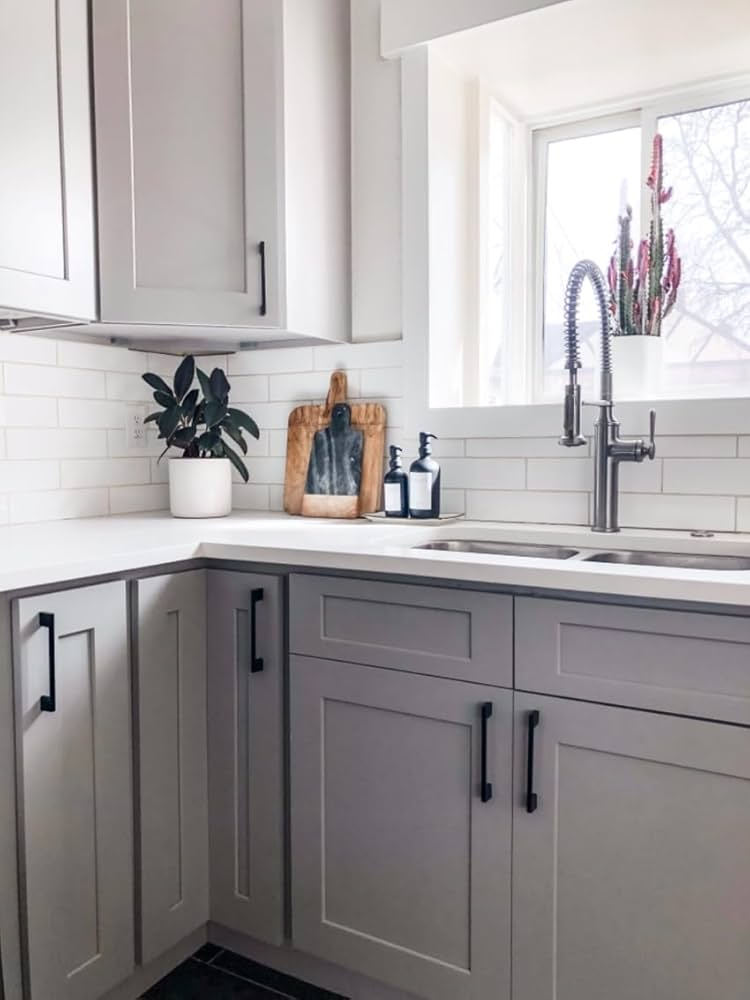
Cabinet hardware and faucets get touched multiple times every single day, which means worn or dated versions make themselves known constantly. Swapping them out takes a few hours at most but changes how the kitchen feels immediately.
New cabinet pulls and knobs update the look without requiring any real construction. Going from brass or chrome to matte black or brushed nickel shifts the whole aesthetic. The same goes for faucets—a modern pull-down sprayer with a decent finish looks and works better than that builder-grade fixture that's been there since the house was built.
These updates fall into the category of things people notice without necessarily knowing why the kitchen suddenly feels more pulled together. They're finishing details that add up to a more cohesive, intentional look.
Strategic Updates Beat Total Overhauls

The beauty of targeted kitchen updates is that they can be phased over time as budget allows. Not everything needs to happen at once. Starting with the changes that bother you most or deliver the biggest impact makes the process more manageable financially and logistically.
The key is having a plan so individual updates work together rather than creating a disjointed look. Even small changes benefit from thinking through how they'll integrate with what stays and what might get updated down the line. That way, when the budget allows for the next phase, everything builds toward a cohesive end result rather than a collection of random improvements that don't quite gel.


Comments