
The Data-Driven Den: Optimizing Warehouse and Studio Layouts with Smart Vertical Solutions
- DreamDen AI Editorial Team
- Feb 25
- 3 min read

Ever walked into a warehouse and thought, "There's got to be a smarter way to organize all this"? Turns out, there absolutely is. Data-driven design is changing how businesses think about their storage and workspace layouts, and the results are pretty impressive.
The thing is, most warehouses and creative studios are still operating like it's 1985. Boxes stacked randomly, equipment scattered around, and way too much valuable floor area going to waste. But smart business owners are starting to realize that every square foot counts, especially when rent keeps climbing.
Why Going Vertical Makes Perfect Sense
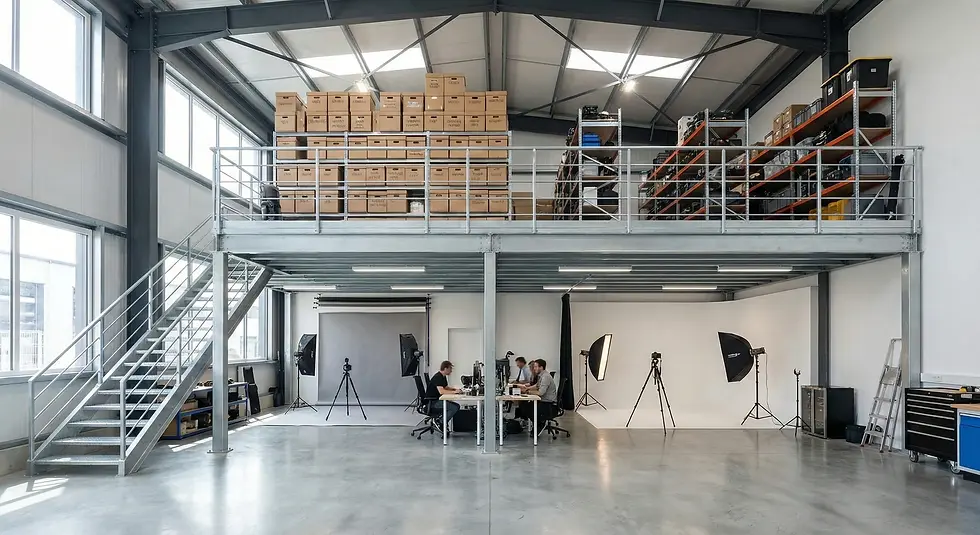
Here's where it gets interesting. Instead of spreading out horizontally and paying for more floor area, savvy operators are looking up. A warehouse mezzanine can literally double your usable area without the headache of relocating or the expense of expanding your footprint.
Picture this: you're running a photography studio that also needs serious storage for equipment, props, and client work. Traditional thinking says you need separate areas for shooting and storage. Smart thinking? Build up. Create a mezzanine level for storage and keep your ground floor clear for creative work.
The Data Revolution in Layout Planning

The really cool part is how data is driving these decisions now. Modern warehouse management systems track everything. How often items get accessed, which areas see the most foot traffic, even how long it takes staff to move between different zones.
One warehouse manager recently shared how their data showed 80% of their daily picks came from just 20% of their inventory. That's a game changer when you're planning a layout. Put the frequently accessed stuff at ground level, easily reachable. Move the quarterly items upstairs.
Studio Spaces Get the Smart Treatment Too

Creative studios are catching on fast. A design firm might discover through time tracking that their team spends 60% of their day at computers but only 20% using physical materials. Why give equal floor area to both activities?
Smart studios are creating compact, vertical storage solutions for supplies and materials, then dedicating prime ground-level real estate to collaboration areas and workstations. The data tells them exactly how much storage they actually need versus how much they think they need.
Making the Numbers Work

Look, installing vertical solutions isn't free. But the math usually works out pretty well. Instead of paying rent on additional floor area month after month, you make a one-time investment in vertical storage. Most businesses see payback within 18-24 months, sometimes faster.
Actually, there's another benefit that's harder to quantify but equally valuable. Better organization means less time hunting for things. Staff productivity goes up when everything has a logical, accessible place.
Getting Started with Smart Layout Planning
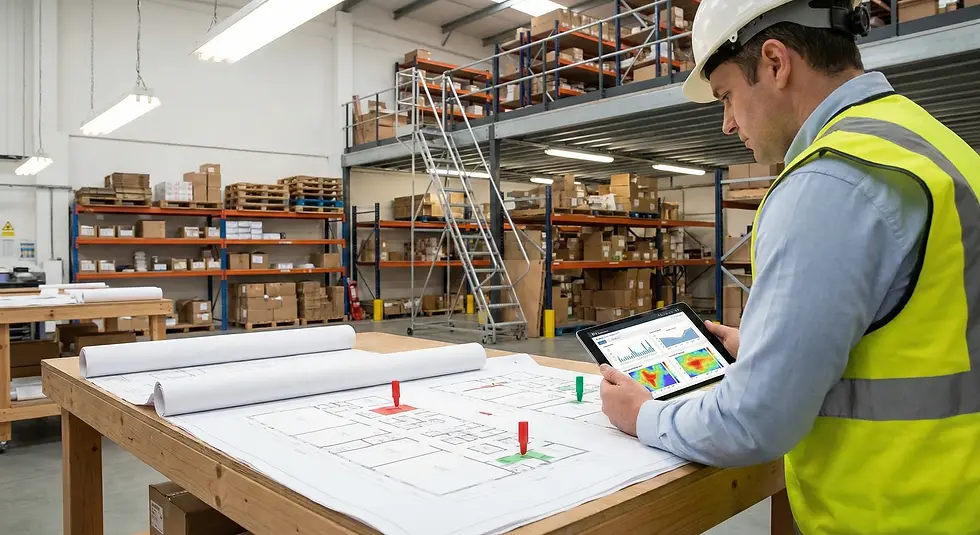
The beauty of data-driven design is you don't need to guess anymore. Start tracking basic metrics: what gets accessed daily, weekly, monthly. Which areas feel cramped, which feel underused.
You might be surprised by what you discover. That corner everyone avoids might just need better lighting and organization to become prime real estate. Those items taking up valuable ground-level storage might be perfectly fine on an upper level.
The truth is, most businesses have more optimization potential than they realize. Sometimes it just takes a fresh perspective and some solid data to see the possibilities.
Smart vertical solutions aren't just about maximizing storage anymore. They're about creating workflows that actually make sense, based on real usage patterns rather than guesswork. And honestly, that's a pretty smart way to run any business.

Comments