
The Role of Muted Accent Tones in Boho-Inspired Living Areas
- DreamDen AI Editorial Team
- Feb 5
- 5 min read

Boho interior design has become one of the most loved styles for living spaces across the USA. Homeowners and renters alike appreciate its relaxed personality, layered textures, and lived-in comfort. But while many people associate boho décor with bold patterns and colorful elements, successful boho interiors actually rely heavily on muted accent tones to maintain harmony.
Muted accent tones play a crucial role in shaping boho-inspired living areas, ensuring the room feels cozy instead of chaotic. Without thoughtful color balance, eclectic décor can quickly overwhelm the space. When muted tones are layered correctly, however, they soften visual intensity and create a welcoming atmosphere.
Understanding Muted Accent Tones in Interior Design
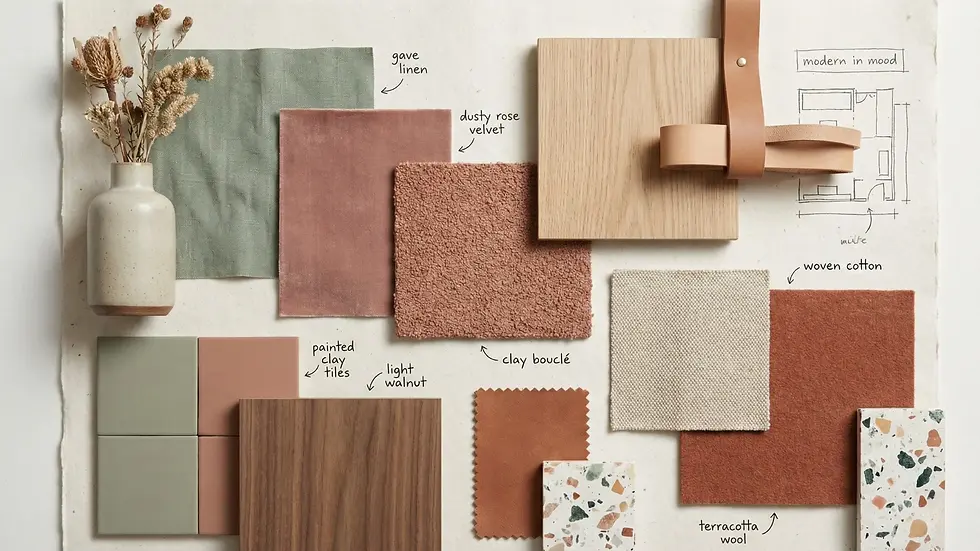
Muted tones are colors softened by adding gray, brown, or complementary hues to reduce brightness. Unlike vivid colors that demand attention, muted shades feel subtle and calming.
In interior design, muted tones are often used as accents or secondary colors that enhance a room without overpowering it.
Bright vs. Muted Colors
Bright colors:
Highly saturated
Energetic and bold
Attention-grabbing
Can become overwhelming if overused
Muted tones:
Softened and earthy
Easier on the eyes
Promote relaxation
Blend naturally with surroundings
Boho interiors thrive when colors feel organic rather than artificial. Muted tones echo natural landscapes—sand, clay, foliage, and stone—which is why they work beautifully in boho spaces.
Why Muted Colors Feel Calming
Color psychology shows that softer tones reduce visual stimulation, helping the mind feel at ease. Since living rooms are social and relaxation zones, calmer palettes encourage longer comfort and conversation.
Examples of Popular Muted Accent Tones
Common muted tones used in boho living rooms include:
Sage green
Dusty rose
Muted terracotta
Warm beige
Clay tones
Olive green
Sand neutrals
Warm taupe
Foundations of Boho-Inspired Living Areas

To understand how muted tones work, it helps to know what defines boho design.
Boho style evolved from artistic, traveler-inspired interiors that mix cultures, textures, and handcrafted elements.
Core Principles of Boho Style
Boho spaces usually feature:
Eclectic décor combinations
Natural materials
Layered textiles
Vintage or handmade pieces
Indoor plants
Relaxed, personal styling
Instead of strict matching, boho interiors celebrate personality and storytelling. For those looking to explore similar styles, you might also find inspiration in boho chic interior design styles or the more rustic modern boho living room ideas.
Natural Materials & Textures
Typical boho materials include:
Rattan and wicker furniture
Linen and cotton fabrics
Wood and clay décor
Handmade ceramics
Macramé and textiles
Textures play as big a role as color in creating comfort.
Earthy Palettes & Relaxed Aesthetics
Most boho interiors use earthy tones as a base:
Cream
Beige
Sand
Terracotta
Warm whites
Olive greens
Muted accent tones naturally complement these foundations. If you are interested in exploring specific earthy palettes, check out our guide on earthy interior design ideas.
Why Muted Accent Tones Work So Well in Boho Spaces

Color Psychology and Mood
Muted tones evoke feelings of calm and grounding because they resemble nature. Earth-inspired shades subconsciously signal comfort and stability.
In a living room, this translates to:
Reduced visual stress
Increased relaxation
Comfortable social environment
Cozy ambiance
Balancing Eclectic Décor
Boho spaces often combine patterns, textures, and objects from different sources. Without color moderation, rooms can look cluttered.
Muted tones unify these diverse elements by acting as visual glue between patterns and materials.
The 60-30-10 Color Rule
Interior designers often apply the 60-30-10 rule:
60% dominant color (walls, large furniture)
30% secondary tones (textiles, accent furniture)
10% accent color (decor details)
Muted tones work perfectly for the 30% or 10% sections, adding personality without chaos.
Preventing Visual Overload
Too many bold colors create fatigue. Softer accents allow decorative pieces to stand out while preserving calmness.
How to Use Muted Accent Tones in a Boho Living Room

Walls & Base Colors
Walls set the foundation of color harmony.
Good choices include:
Warm whites
Sand beige
Soft clay tones
Light greige
These neutrals allow muted accents to shine. For specific paint recommendations, you might look into warm cream paint colors or consider Swiss Coffee paint for a timeless backdrop.
Furniture Choices
Furniture in muted tones feels timeless and versatile.
Consider:
Beige sofas
Olive or sage accent chairs
Neutral upholstered ottomans
Wooden or rattan furniture
Textiles & Accessories
Textiles are the easiest way to introduce muted tones.
Use muted accents in:
Throw pillows
Blankets
Rugs
Curtains
Wall hangings
Layering fabrics adds warmth without overwhelming.
Plants & Natural Materials
Plants naturally support muted palettes.
Combine:
Indoor greenery
Clay planters
Wooden tables
Linen cushions
Nature-inspired materials reinforce the boho mood. You can even enhance your decor with small artificial plants if maintenance is a concern.
Lighting Impact
Natural light softens muted tones further, creating cozy shadows and warmth.
Tips:
Use sheer curtains
Position mirrors for light reflection
Add warm light lamps
Color Pairing Ideas

Some pleasing muted boho combinations:
Sage + Sand Beige
Terracotta + Cream
Olive + Taupe
Dusty Rose + Warm White
Clay + Soft Gray
Common Mistakes to Avoid
Even good palettes can fail with poor execution.
Avoid:
Too Many Accent Colors
Stick to two or three accent tones.
Overuse of Dark Shades
Too many dark tones shrink visual space.
Lack of Texture Balance
Color alone doesn’t build warmth—texture matters.
Ignoring Natural Light
Color changes under lighting; always test tones first.
Real-World Boho Living Room Examples
Small Apartment Living Room
Muted tones help small rooms feel larger and calmer. Light sage pillows, beige walls, and soft textiles create openness.
Open-Plan Homes
Muted tones help divide zones visually without walls. Rugs and furniture tones guide flow in open floor plan concepts.
Budget-Friendly Makeover
Simple changes like muted cushion covers, soft rugs, and earthy décor refresh spaces affordably. Check out our budget-friendly home decor ideas for more inspiration.
Expert Styling Tips Designers Recommend
Professional designers often recommend:
Start with neutral foundation
Add muted tones gradually
Layer textures before adding color
Mix vintage and modern pieces
Keep décor personal, not staged
Rotate seasonal textiles
Using digital planning tools like DreamDen.ai helps visualize palettes before purchasing furniture.
FAQs: Muted Accent Tones in Boho Living Rooms
What are muted accent tones?
They are softened colors used to add subtle contrast without overwhelming a space.
Are muted tones better than bright colors?
Not always, but muted tones work better in relaxing environments like living rooms.
Can muted tones work in small rooms?
Yes, they make spaces feel calmer and less cluttered.
How many accent colors should be used?
Two to three accent tones maintain balance.
Best muted tones for boho living rooms?
Sage green, clay, terracotta, dusty rose, and warm neutrals are popular choices.
Conclusion: Creating Calm, Characterful Living Spaces
Muted accent tones are the quiet heroes of successful boho-inspired living areas. They soften visual noise, unify eclectic décor, and create warm, welcoming environments where people naturally want to spend time.
By combining earthy palettes, layered textures, and subtle color accents, homeowners can create stylish yet comfortable living rooms that reflect personality without overwhelming the senses.


Comments