
Top Plants to Turn Your Bathroom into a Spa-Like Green Oasis


Imagine stepping into your bathroom and being instantly transported to a lush, tranquil jungle retreat. That’s the magic of incorporating plants. Beyond simple decoration, the right greenery transforms a sterile space into a thriving, calming sanctuary. And here’s the secret: your bathroom is actually one of the best environments in your entire home for many popular houseplants.
Why Plants Love Your Bathroom
The typical bathroom—with its steamy showers, fluctuating temperatures, and often limited natural light—might seem like a challenging spot for plants. In reality, these conditions are a blessing for many species native to tropical rainforests.
Your bathroom's warm, humid air mimics the jungle canopy, making it an ideal, cozy habitat. As a result, many plants that struggle in the dry air of other rooms absolutely thrive here.
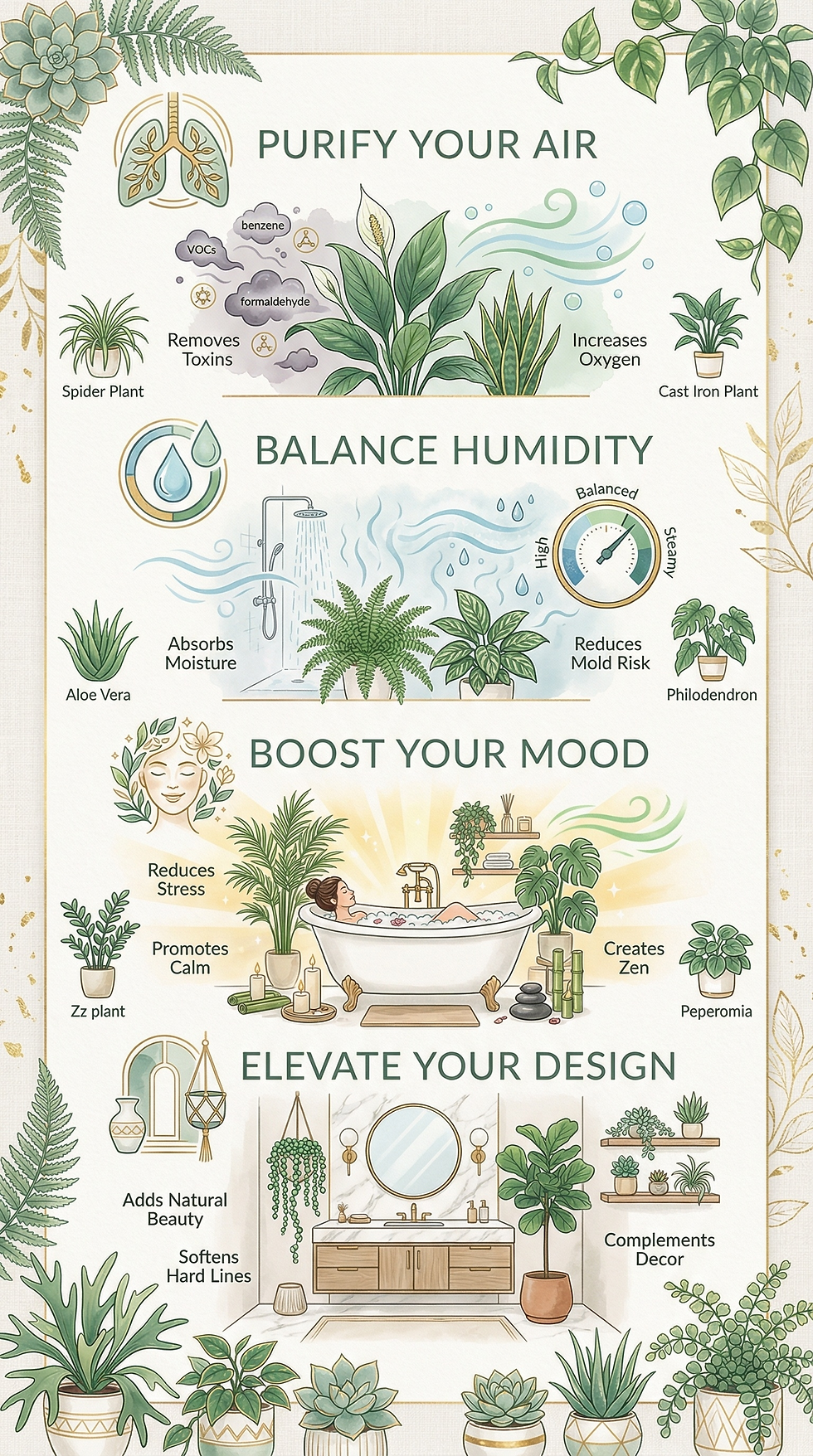
What Makes the Bathroom a Good Place for Plants
The bathroom environment, often seen as a constraint, is the very thing that helps certain plants flourish. Understanding the unique microclimate of your bathroom is the first step to becoming a successful indoor gardener.
High Humidity Mimics Tropical Habitats
The constant cycle of hot showers creates high humidity. For plants like ferns, orchids, and many tropical varieties (known as epiphytes), this is essential. In their natural homes, these plants absorb moisture through their leaves as well as their roots. The bathroom steam reduces the stress on their foliage, preventing the dry, crispy leaf edges that often appear in less humid homes. This is why plants that require moist conditions, like the Boston Fern, do exceptionally well nestled near a shower.
Low to Indirect Light Conditions
While most plants need some light, bathrooms often offer only low or indirect, filtered light, especially those with small or north-facing windows.
Fortunately, many of the world’s most beautiful houseplants are understory plants—they naturally grow on the forest floor, accustomed to limited sunlight filtered through a canopy of taller trees. These are the plants with deep green, glossy leaves that efficiently capture the minimal light available. They are perfectly suited to a dim, humid space.
Air Purification and Toxin Reduction
Certain houseplants are nature's air filters. As mentioned by sources like Jaquar, they help purify the air by absorbing common household toxins, including:
Formaldehyde: Found in cleaning products and some textiles.
Xylene and Toluene: Found in plastics, paints, and glues.
Ammonia: Found in heavy-duty cleaning products.
By incorporating these natural purifiers, you are turning your bathroom into a cleaner, fresher, and healthier space.
Best Bathroom Plants
Choosing the right plant ensures success. Here is a curated list of plants grouped by their ideal placement and desired aesthetic.
🍃 Low-Light & Humidity-Loving Plants
These plants are incredibly tough and will tolerate the most challenging bathroom conditions, thriving in the steam and dim corners.
Snake Plant (Sansevieria trifasciata):
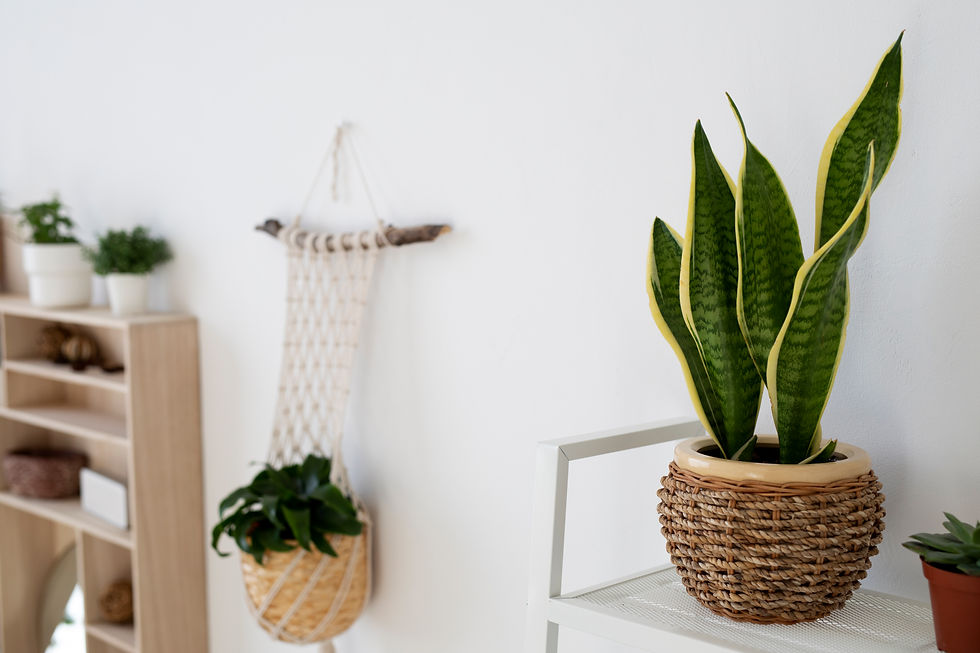
Why it's Ideal: Dubbed the "tough plant," it tolerates extreme low light and irregular watering. It’s also one of the best for air purification, releasing oxygen at night.
Maintenance: Low-maintenance.
Peace Lily (Spathiphyllum):
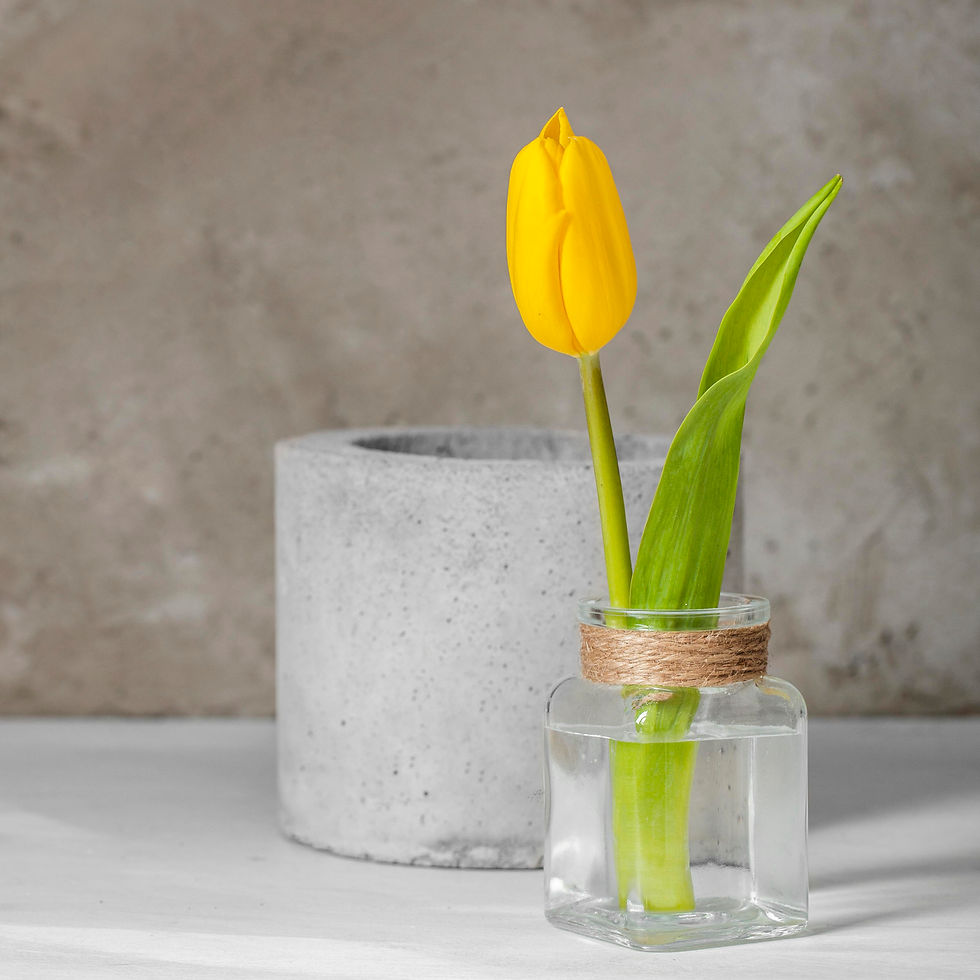
Why it's Ideal: Elegant and graceful, the Peace Lily is an excellent air-purifier and, uniquely, can bloom even in low-light conditions. Its drooping leaves tell you exactly when it needs a drink.
Maintenance: Medium; water when leaves droop.
Boston Fern (Nephrolepis exaltata):
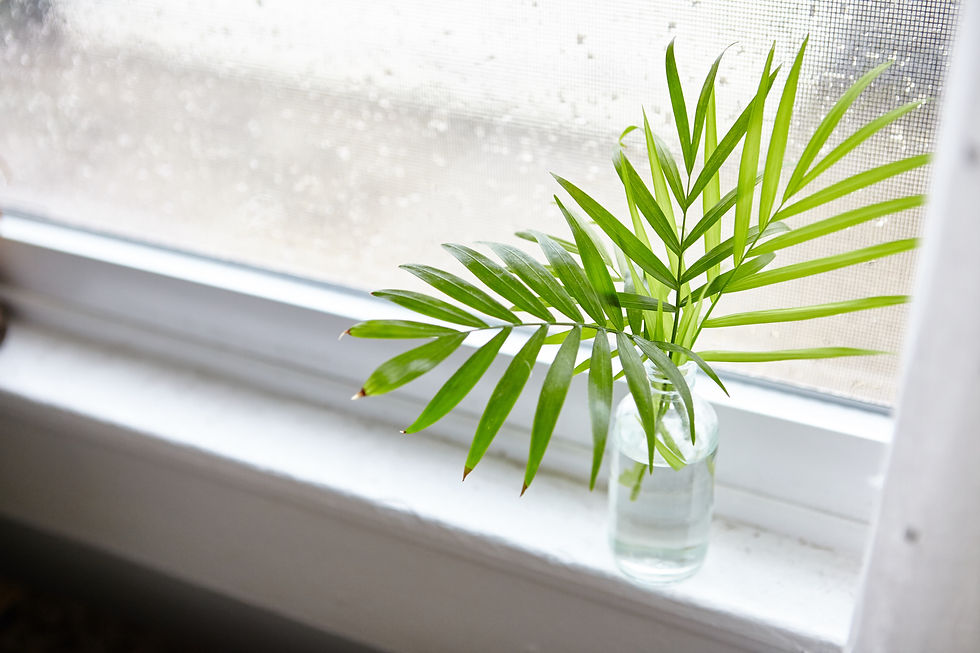
Why it's Ideal: This plant is the ultimate moisture-lover. The high humidity of a bathroom prevents its fronds from drying out, allowing it to maintain its lush, tropical look.
Maintenance: High; needs consistent humidity and moisture.
ZZ Plant (Zamioculcas zamiifolia):
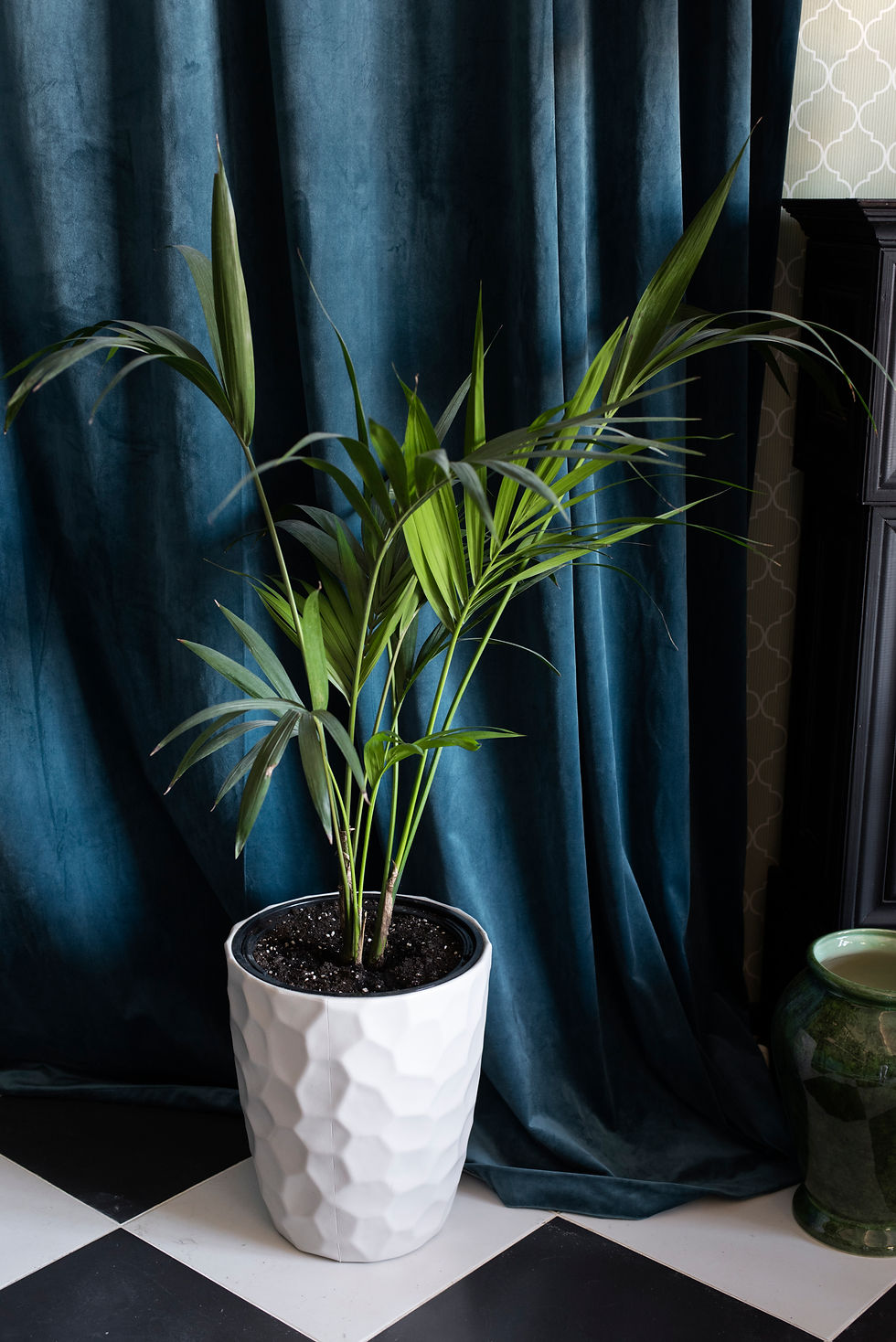
Why it's Ideal: Extremely resilient and almost impossible to kill. It’s the perfect choice for the darkest, most neglected corner of a dim, humid bathroom.
Maintenance: Very low; water infrequently.
English Ivy (Hedera helix):
Why it's Ideal: A beautiful, trailing, climbing vine that thrives in damp air. Great for cascading from high shelves or hanging pots, adding vertical interest.
Maintenance: Medium; keep soil evenly moist.
✨ Decorative & Trendy Bathroom Plants
These plants add a punch of color, elegant form, or a dynamic cascading shape to elevate your bathroom’s design aesthetic.
Orchids (Phalaenopsis varieties):
Why it's Ideal: The epitome of elegance, Orchids love humidity and are often found in high-end, spa-like bathrooms. The steam mimics the humid air they absorb moisture from in nature.
Maintenance: Medium; sensitive to overwatering; indirect light is key.
Pothos / Golden Pothos (Epipremnum aureum):
Why it's Ideal: One of the most popular trailing plants. Its long, cascading vines are perfect for decorating shelves or the tops of cabinets. It is very adaptable to varying light levels.
Maintenance: Low; tolerates neglect.
Calathea / Prayer Plant (Maranta leuconeura):
Why it's Ideal: Known for its striking foliage with unique patterns and colors. It requires indirect light and the high humidity of a bathroom helps prevent its delicate leaves from curling up.
Maintenance: Medium; needs consistent watering and humidity.
Bamboo / Lucky Bamboo (Dracaena sanderiana):
Why it's Ideal: Often grown in just water, making it a very low-care and symbolic addition (representing luck and prosperity). It adds a clean, architectural element.
Maintenance: Very low; simply refresh water regularly.
🌿 Bonus Picks for the Enthusiast
Peperomia: Comes in many varieties (watermelon, baby rubber plant) and thrives in warm, moist conditions with minimal care.
Bird’s Nest Fern: Unlike the Boston Fern, it has solid, wavy-edged fronds, creating a rosette shape that adds a unique, dense texture to a countertop.
Philodendron varieties: Both the trailing (heartleaf) and self-heading types are excellent low-light, high-humidity options that add lush, deep green color.
How to Care for Bathroom Plants
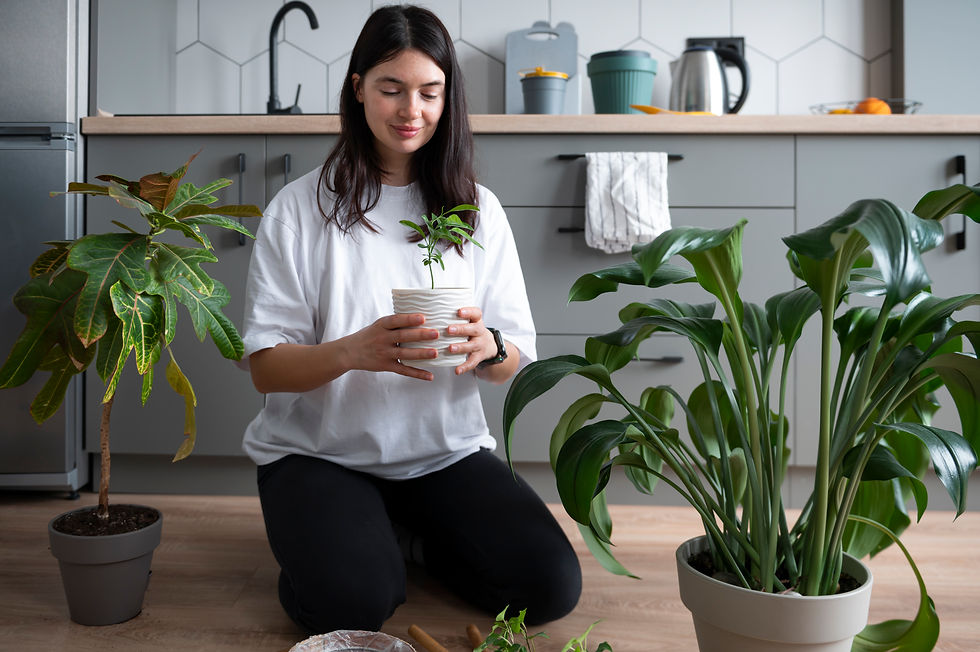
The high-humidity environment means you will need to adjust your typical plant care routine, especially regarding light and watering.
Light Needs: The Right Exposure
Even low-light plants need some light to perform photosynthesis.
Indirect, Filtered Light: The majority of the best bathroom plants thrive here. Place them near a window, but where they receive filtered or gently diffused light, not harsh, direct sun (which can scorch tropical leaves).
Artificial Grow Lights: Can plants grow in a bathroom without windows? Yes! If your bathroom is completely dark, you must supplement with a small, specialized LED grow light. They can be subtle and designed to look like normal light fixtures.
Rotation: If a plant looks leggy or pale, consider rotating it with a plant from a brighter room for a few weeks to revitalize it.
Watering: The Humidity Factor
The high moisture in the air means the soil in your pots will dry out slower than in other rooms.
Don’t Overwater: This is the number one mistake. You must check the soil before watering. How often should I water humidity-loving plants? Only when the top inch of soil is dry to the touch. The humidity naturally reduces the frequency.
Better Drainage: Always ensure your pots have drainage holes, and empty any excess water from the saucer. Root rot is a major risk in constantly moist soil.
Placement Ideas
Think about how your bathroom’s microclimates work.
Countertops and Vanities: Ideal for smaller decorative plants like Orchids, Peperomia, and Bird's Nest Ferns.
Shelves and Walls: Perfect for hanging pots or plants with cascading vines like Pothos and English Ivy.
Shower Corners: The absolute best spot for high-humidity lovers like the Boston Fern, as they directly benefit from the steam.
Floor Plants: Use large Snake Plants or tall ZZ Plants in floor-standing pots to anchor the room.
Soil and Drainage Tips
Use a light, well-draining potting mix. Mixing in perlite or orchid bark helps keep the soil airy and prevents it from becoming compacted and waterlogged, which is crucial for avoiding rot.
Pet Safety Note
Be aware that certain common houseplants, including Peace Lilies and Pothos, are considered toxic if ingested by pets (cats and dogs). If you have curious pets, choose non-toxic varieties (e.g., Peperomia, most true Ferns) or place toxic plants in high, inaccessible spots like hanging planters.
Styling Tips: Decorating with Greenery
Plants should be an integral part of your bathroom decor, not an afterthought.
Using Plants as an Aesthetic Accent
Rule of Three: Group plants in odd numbers (3 or 5) of varying heights and textures for an appealing vignette.
Potting Matters: Choose planters that complement your spa-inspired theme. Use natural textures like terra cotta (which allows soil to breathe), woven baskets, concrete, or sleek ceramic to match the high-end look.
Natural Textures: Pair the greenery with materials like bamboo bath trays, wicker hampers, and wooden stools to enhance the organic, tranquil feel.
Maximizing Space
Vertical Greenery: Use climbing vines like Pothos or English Ivy in wall-mounted planters or cascading from open shelving. This draws the eye upward and conserves valuable counter space.
Mirrors & Reflection: Place a smaller, dramatic plant (like an Orchid) next to a mirror to double its impact and reflect its lush foliage across the room.
Top 10 low-light indoor plants: For a more comprehensive look at options, check out our guide on the "Top 10 low-light indoor plants" on DreamDen.ai.
FAQs
Can plants grow in a bathroom without windows?
Yes, but they require supplemental light. Invest in a dedicated LED grow light on a timer (8–12 hours per day) to simulate sunlight. The humidity will still be beneficial.
How often should I water humidity-loving plants?
Watering frequency depends on light and temperature, but generally less often than plants in dry rooms. Check the soil first: only water when the top inch or two is completely dry. Overwatering is the biggest killer.
What are the best plants for air purification in a bathroom?
Snake Plant and Peace Lily are scientifically proven to be highly effective at filtering common bathroom toxins like formaldehyde and benzene.
Conclusion
Adding plants to your bathroom is one of the quickest, most affordable, and most beneficial ways to upgrade your space. From the easy-going, air-purifying Snake Plant to the elegant Orchid, the benefits are clear: improved air quality, natural moisture balancing, and a serene, beautiful aesthetic.
Your success lies in embracing your bathroom’s humidity and low-light conditions. Now, encourage readers to choose plants based on light exposure, humidity, and maintenance level. Take this guide, mix and match a few favorites, and start transforming your ordinary bathroom into a lush, fresh, spa-inspired green oasis today.



Comments