
Transform Your Dining Room with Accent Walls

Updated: Sep 30, 2025

Table of Contents
Introduction
Benefits of Dining Room Accent Walls
How to Choose the Right Wall
Creative Accent Wall Ideas
Bold Paint Colors
Textured Wall Treatments
Wallpaper Wonders
Wall Murals
Gallery and Art Walls
Design Tips to Complement Your Accent Wall
Lighting Enhancements
Coordinated Decor Elements
Statement Furniture Pieces
Accessorizing with Style
Incorporating Natural Elements
Final Touches that Elevate the Room
Conclusion
A dining room isn't just a place to eat—it's a gathering space for friends and family, a centrepiece for celebrations, and a place to create lasting memories. Adding an accent wall to your dining room can dramatically transform the atmosphere, introducing visual depth, texture, and a personalised aesthetic. Unlike a complete wall overhaul, accent walls provide a bold punch of design with minimal effort and cost. Whether your style is modern, rustic, traditional, or eclectic, there's an accent wall approach that can elevate your dining experience.
Before Image of Dining Room

After Image of Dining Room

2. Benefits of Dining Room Accent Walls
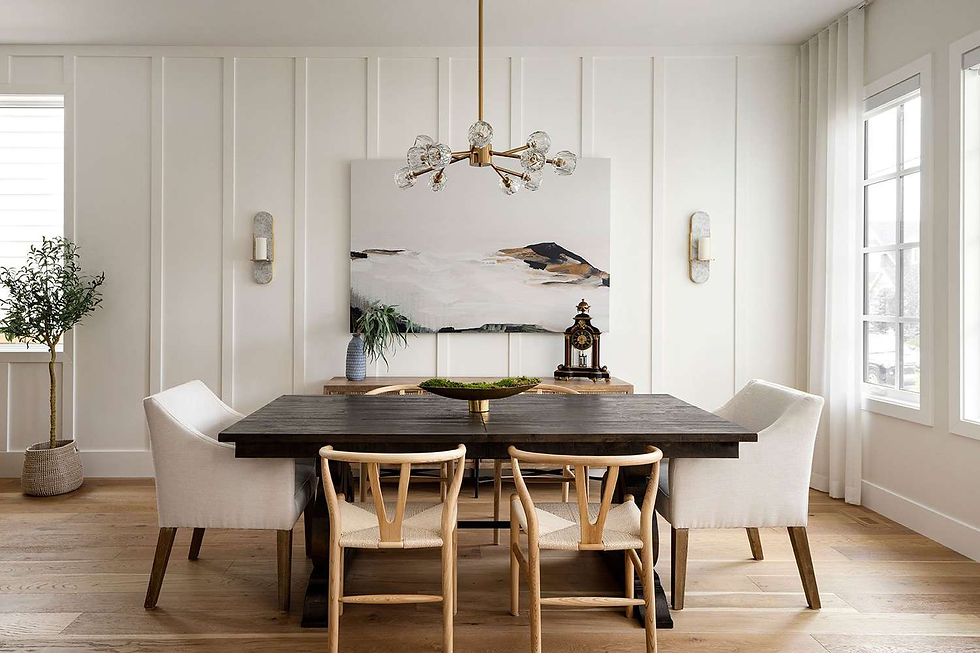
Visual Interest: Accent walls break the monotony of single-tone walls by introducing a dynamic element that immediately captures attention. This can invigorate a bland dining area and become a striking design focal point.
Design Flexibility: Accent walls are easy to update and adapt. You can change colors or textures to reflect seasonal styles or your evolving tastes without a complete room makeover.
Space Definition: In open-concept layouts, an accent wall can define the dining space. It gives structure to areas that might otherwise blend into each other, such as separating the dining zone from the kitchen or living area.
Mood Enhancement: Colour psychology plays a huge role in design. Warm colours like terracotta or mustard evoke sociability, while cool tones like sage or navy promote calm and sophistication, perfect for various dining moods.
Self-Expression: An accent wall allows you to personalise your space. Whether through colour, texture, or decor, it's a statement of your individual style.
3. How to Choose the Right Wall
Identify the Focal Point: The accent wall should draw attention as soon as someone enters the room. Typically, it's the wall behind the dining table or a feature like a fireplace or built-in cabinet.
Lighting Considerations: Choose a wall that receives ample natural light to enhance the paint or texture. If natural light is limited, ensure it can be highlighted with artificial lighting like sconces or pendant fixtures.
Avoid Interruptions: Select a wall with minimal interruptions like windows or doors. A clean, uninterrupted surface helps maintain visual consistency.
Room Proportions: Consider the proportions of the space. A smaller room may benefit from a lighter or subtler accent, while a large room can handle bold patterns or dark hues.
4. Creative Accent Wall Ideas

Bold Paint Colors
Painting one wall in a bold color is one of the simplest ways to create an accent wall.
Warm Hues: Reds, oranges, and yellows create a cozy, inviting space perfect for lively dinners.
Cool Tones: Blues and greens promote calmness and can add elegance.
Neutral Drama: Deep charcoal, rich beige, or even matte black offer sophistication and pair well with metallics.
Tips:
Use a matte finish for a modern look or satin/gloss for easier cleaning.
Consider color psychology—green for harmony, red for appetite, or blue for relaxation.
Textured Wall Treatments
Adding texture adds dimension and creates a tactile, inviting atmosphere.
Wood Paneling: Reclaimed wood, shiplap, or board-and-batten adds rustic warmth.
Stone or Brick: Adds an industrial or farmhouse vibe.
Wainscoting or Beadboard: Classic options that add elegance.
DIY Tip: Use peel-and-stick panels or paint faux textures for a budget-friendly option.
Wallpaper Wonders
Modern wallpaper is a versatile option for dramatic impact.
Geometric Patterns: Ideal for contemporary or mid-century designs.
Florals or Botanicals: Bring softness and nature indoors.
Metallic or Embossed: Reflect light and add a luxurious feel.
Pro Tip: Use wallpaper only on the accent wall to avoid overwhelming the space.
Wall Murals
A mural serves as both art and architecture.
Hand-Painted Murals: For a custom and artistic look.
Photo Murals: Cityscapes, landscapes, or abstracts for bold themes.
Peel-and-Stick Murals: Easy to apply and remove.
Gallery and Art Walls
Display a curated collection of art or photos for a dynamic and personal look.
Matching Frames: For a cohesive, formal appearance.
Eclectic Mix: For a more creative, personalised touch.
Layout Matters: Use templates or floor planning to visualise before hanging.
5. Design Tips to Complement Your Accent Wall

Lighting Enhancements
Natural Light: Enhances color vibrancy and reveals textures.
Artificial Lighting:
Wall sconces to add ambient lighting.
Chandeliers or pendant lights above the dining table for drama.
LED uplighting for murals or textures.
Smart Lighting: Use dimmable or color-changing bulbs to shift the mood as needed.
Coordinated Decor Elements
Match accessories and furniture tones to your accent wall.
Table Linens: Use complementary or contrasting tablecloths and runners.
Dining Chairs: Upholstery or painted finishes that mirror the wall.
Artwork or Mirrors: Reflect light and emphasise the wall.
Statement Furniture Pieces
Place a bold sideboard, hutch, or console against the accent wall.
Choose materials like brass, wood, or marble for luxury.
Add vintage finds for charm and uniqueness.
Use the accent wall to frame your dining table as a centrepiece.
Accessorizing with Style
Candlesticks or Vases: Match or contrast with wall hues.
Shelving Units: Display ceramics, books, or wine.
Sculptures or Wall Art: Add personality.
6. Incorporating Natural Elements
Greenery can soften bold colours and add freshness.
Indoor Plants: Ferns, succulents, or snake plants.
Seasonal Flowers: Rotate arrangements for seasonal flair.
Natural Textures: Use jute rugs, rattan chairs, or bamboo accessories.
Benefits: natural elements improve air quality and create a relaxing ambiance.
7. Final Touches that Elevate the Room
Trim and Molding: Crisp baseboards and crown moldings complete the look.
Hardware: Update drawer pulls or light switch plates to match.
Consistency: Ensure colours and themes flow with adjacent rooms.
Artful Layers: Use rugs, curtains, and wall hangings for depth.
Tip: Don’t overdo it. The accent wall should be the star, with other elements supporting its impact.
8. Conclusion
Dining room accent walls offer an impactful, affordable way to elevate your home's design. They define space, inject personality, and anchor the room visually. Whether you choose bold colors, rich textures, curated art, or natural touches, a well-designed accent wall can turn your dining area into the heart of the home.
From selecting the ideal wall and color to accessorizing with intention, every detail matters. By following this guide, you're not just decorating a wall—you're setting the scene for memorable meals and heartfelt conversations.
So go ahead, transform your dining room with an accent wall that reflects your taste, creativity, and love for inspired living.


Comments