
Understanding the Costs of Paver Patio Installation

Updated: May 10, 2025

Enhancing your outdoor space with a paver patio is a popular choice among homeowners, thanks to its blend of durability and aesthetic appeal. This transformative addition not only elevates the look of your home but also increases its functionality. However, before diving into this home improvement project, understanding the costs involved is crucial for effective budgeting. This comprehensive guide will delve into the various factors that influence the cost of paver patio installation, empowering you to make informed decisions and plan your project effectively.
What is a Paver Patio?

A paver patio is a meticulously crafted outdoor surface composed of individual pieces of stone or concrete, commonly referred to as pavers. These pavers are laid in an array of intricate patterns, creating a visually captivating and practical outdoor space. They are chosen for their ability to seamlessly blend into any landscape, enhancing both the beauty and utility of your yard.
Key Features of Paver Patios and Cost of Paver Patios
Paver patios are characterized by their versatility and durability. They can be customized to fit any design aesthetic, from modern minimalism to rustic charm. This adaptability makes them a favored option for homeowners looking to personalize their outdoor areas. The installation process involves careful planning and precision, ensuring that the pavers fit together perfectly to create a stable, long-lasting surface.
Materials Used in Paver Patios
The materials used in paver patios play a significant role in determining their overall appearance and longevity. Common materials include concrete, brick, and natural stone. Each type of paver offers distinct advantages, such as concrete's affordability, brick's classic appeal, and natural stone's luxurious finish. Understanding these material differences is essential when selecting the right pavers for your patio.
Design Possibilities
One of the most attractive features of paver patios is the vast array of design possibilities. Homeowners can choose from a variety of patterns, including herringbone, basket weave, and running bond, to name a few. These patterns can be further enhanced by selecting pavers in different colors and textures, allowing for endless customization. The ability to tailor the design to suit personal preferences makes paver patios a unique and personalized addition to any home.
Why Choose a Paver Patio?

Paver patios offer a multitude of benefits that make them a preferred choice for many homeowners. These advantages extend beyond mere aesthetics, providing practical value that enhances the overall living experience.
Durability and Longevity
One of the primary reasons homeowners choose paver patios is their exceptional durability. Unlike other outdoor surfaces, pavers are designed to withstand harsh weather conditions, including heavy rain, snow, and extreme temperatures. This resilience ensures that your patio remains in excellent condition for years to come, providing a worthwhile investment for your property.
Low Maintenance Requirements
Paver patios require minimal maintenance, making them an ideal choice for busy homeowners. Regular sweeping and occasional power washing are typically sufficient to keep the patio looking pristine. In the event of stains or damage, individual pavers can be easily replaced without disrupting the entire patio, offering convenience and cost-effectiveness.
Design Flexibility
The design flexibility of paver patios is another significant advantage. Homeowners have the freedom to select from a wide range of paver shapes, sizes, and colors, allowing for the creation of a truly personalized outdoor space. This adaptability also means that paver patios can complement various architectural styles, enhancing the overall aesthetic appeal of your home.
Factors Influencing Paver Patio Costs

When it comes to understanding the costs associated with paver patio installation, several key factors come into play. Each of these components can significantly impact the overall budget, making it essential to consider them carefully during the planning phase.
1. Size of the Patio
The size of the patio is perhaps the most significant factor influencing the total cost. Larger patios naturally require more materials and labor, which increases the overall expense. Before proceeding, it's crucial to measure the intended space accurately and determine the desired dimensions of your patio. This information will serve as the foundation for your budget and design plans.
Accurate Space Measurement
Begin by measuring the length and width of the area where you plan to install the patio. This calculation will give you the total square footage needed for your project. Accurate measurements are essential to ensure that you purchase the correct amount of materials and avoid unnecessary expenses.
Impact of Size on Material Costs
The size of the patio directly influences the amount of material required. Larger patios require more pavers, which can significantly increase the cost. Consider the scale of your project and how it aligns with your budget. In some cases, scaling down the size of the patio can result in substantial cost savings without compromising on design or functionality.
Labor Costs for Larger Projects
Larger patios not only require more materials but also more labor. The complexity of laying a large patio can increase labor costs, as more time and effort are needed to ensure proper installation. It's essential to factor in these additional labor expenses when calculating the overall cost of your project.
2. Type of Pavers
The choice of paver material is another critical factor affecting the cost of a patio installation. Pavers are available in various materials, each with its price point and unique characteristics.
Concrete Pavers
Concrete pavers are a popular choice due to their affordability and versatility. They come in a wide range of colors and shapes, making them suitable for various design styles. Concrete pavers offer a cost-effective option for those looking to create a beautiful patio on a budget.
Brick Pavers
Brick pavers provide a classic and timeless look that appeals to many homeowners. While slightly more expensive than concrete, brick pavers offer durability and a distinctive aesthetic. They are an excellent choice for those seeking a traditional and elegant outdoor space.
Natural Stone Pavers
Natural stone pavers are the most luxurious and expensive option. They offer a unique appearance with their natural variations in color and texture. While they come with a higher price tag, natural stone pavers add a touch of elegance and sophistication to any patio design.
3. Labor Costs
Labor costs can vary significantly depending on several factors, including location and the complexity of the installation. Understanding these variables is crucial for accurate budgeting.
Regional Labor Cost Variations
Labor costs can differ greatly depending on your geographic location. Areas with a higher cost of living typically have higher labor rates. It's important to research local labor costs to ensure your budget aligns with the average rates in your area.
Complexity of Design
The complexity of your patio design can also influence labor costs. Intricate patterns and unique features may require more time and expertise, increasing the overall cost of installation. Consider simplifying your design to reduce labor expenses without sacrificing the visual appeal of your patio.
Importance of Professional Installation
While it may be tempting to cut costs by opting for DIY installation, professional installation ensures a high-quality finish and long-term durability. A reputable entry way paver company in San Diego can offer the expertise needed for a flawless installation. Hiring experienced contractors can prevent costly mistakes and ensure that your patio is installed correctly, providing peace of mind and value for your investment.
4. Site Preparation
Proper site preparation is essential for a successful paver patio installation. The condition of the site can significantly impact both the cost and outcome of the project.
Excavation and Leveling
Before installation, the site must be excavated and leveled to create a stable foundation for the pavers. This process involves removing existing vegetation, debris, and soil to achieve a flat, even surface. Depending on the condition of the site, excavation and leveling can add to the overall cost of the project.
Addressing Obstacles
If the installation area contains obstacles such as trees, rocks, or old structures, additional work will be needed to prepare the site. Removing these obstacles can increase labor and equipment costs, so it's important to assess the site thoroughly and account for any potential challenges.
Ground Compacting
Compacting the ground is a crucial step in site preparation. This process ensures that the soil is stable and can support the weight of the pavers. Proper compaction reduces the risk of shifting or settling, contributing to the longevity and durability of the patio.
5. Additional Features
Incorporating additional features into your paver patio can enhance its functionality and aesthetic appeal. However, these features will also add to the overall cost of the project.
Built-In Seating
Built-in seating is a popular addition to paver patios, providing a convenient and stylish option for outdoor gatherings. While this feature can enhance the patio's usability, it requires additional materials and labor, increasing the overall cost.
Fire Pits and Lighting
Fire pits and outdoor lighting are other desirable features that can transform your patio into a cozy and inviting space. These additions require careful planning and installation, contributing to the project's cost. Consider your budget and priorities when deciding which features to include.
Custom Design Elements
Custom design elements, such as intricate patterns or unique shapes, can add a personal touch to your patio. While these features can elevate the design, they may also increase labor and material costs. Evaluate the impact of custom elements on your budget and overall vision for the patio.
Calculating the Total Cost
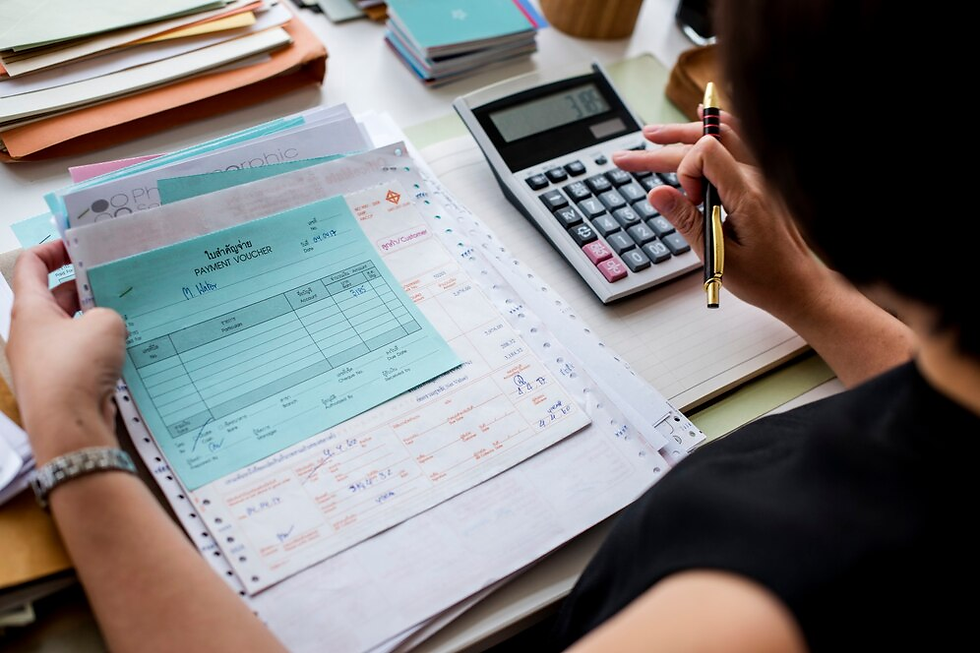
Once you have a clear understanding of the factors influencing the cost of a paver patio, you can begin to calculate the total price for your project. This process involves several key steps to ensure accurate budgeting.
Step 1: Measure the Area
Accurate measurement of the installation area is the first step in calculating the total cost. Measure the length and width of the space to determine the total square footage. This measurement will serve as the basis for estimating material and labor costs.
Step 2: Choose Your Paver Type
Select the type of pavers you want to use for your patio. Research the price per square foot for your chosen material and multiply this by the total square footage to calculate the material cost. Consider the aesthetic and functional qualities of each paver type when making your selection.
Step 3: Estimate Labor Costs
Obtain quotes from local contractors to get an idea of the labor costs in your area. The complexity of the design and site preparation will influence this price. Compare quotes from multiple contractors to ensure you receive competitive pricing and quality service.
Step 4: Add Additional Features
If you plan to include additional features such as seating, fire pits, or lighting, obtain estimates for these elements and add them to the total cost. Carefully consider which features are essential for your needs and budget accordingly.
Step 5: Include Miscellaneous Costs
Don't forget to budget for miscellaneous costs such as delivery charges, permits, or equipment rental if you plan to do some of the work yourself. These expenses can add up quickly, so it's essential to account for them in your overall budget.
Conclusion
A paver patio can transform your outdoor space into a functional and attractive area for relaxation and entertainment. By understanding the costs involved, you can plan your project effectively and stay within your budget. Consider all the factors, from the type of pavers to labor and additional features, to ensure you get the best value for your investment. With careful planning and consideration, you'll enjoy a beautiful patio that enhances your home and lifestyle for years to come.


Comments