
What Designers Check Before Any Bathroom Renovation: The Wet Wall

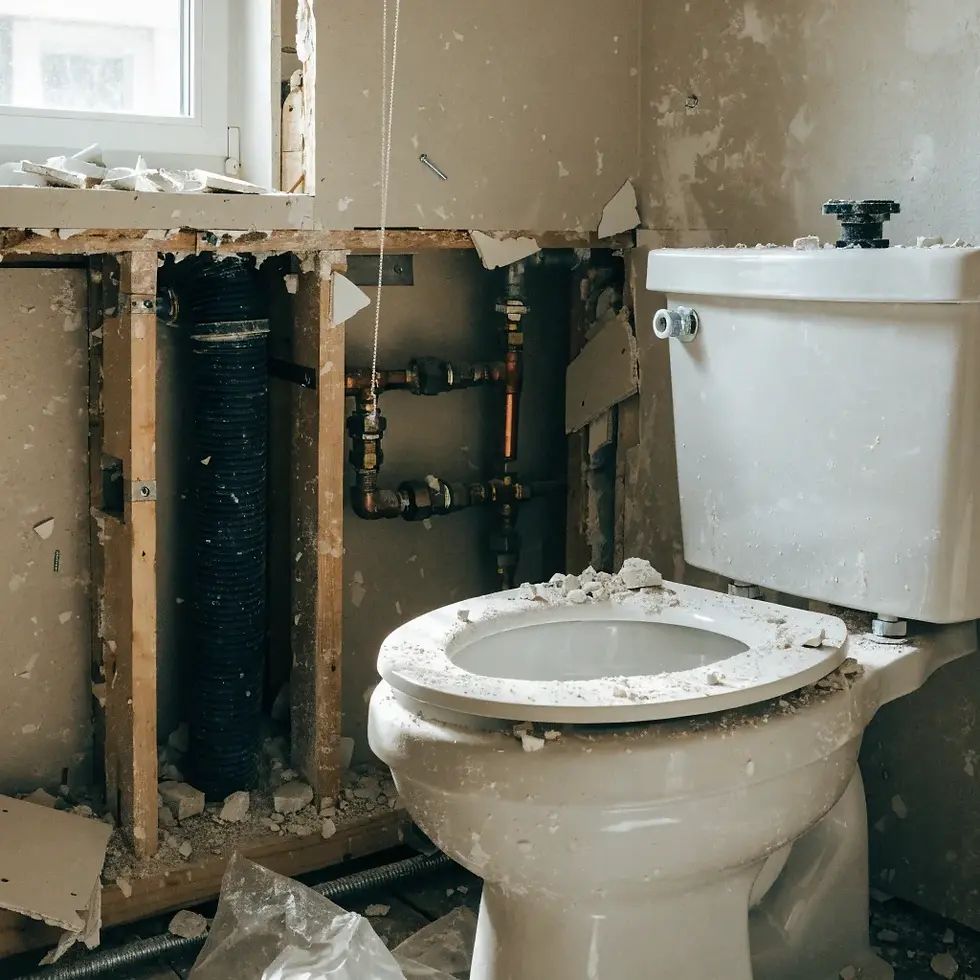
There's a wall in your bathroom that controls everything the budget, the timeline, the material choices, and whether your renovation lasts 5 years or 25. Most homeowners never hear about it until something goes wrong. Most contractors barely mention it. But every experienced interior designer walks into a bathroom and looks for it first.
It's called the wet wall. And what's inside it will either greenlight your dream renovation or rewrite the entire plan.
What Is a Wet Wall?
A wet wall is the internal wall typically 6 inches thick rather than the standard 4 inches that houses your primary plumbing stack: the supply lines bringing hot and cold water in, the drain and waste pipes carrying water out, and the vent pipes that allow air into the drainage system to prevent pressure locks. In most homes, this wall sits directly behind the toilet, bathtub, or shower.

The extra thickness isn't architectural accident. It exists specifically to accommodate the diameter of drain and vent pipes, which often run 3 to 4 inches wide. Disturb this wall carelessly, and you're not just renovating you're doing structural and plumbing work that can cascade into costs most homeowners never planned for.
The First Check: What's Actually Inside?
Before a single tile comes down, a designer's first call is to assess what the wet wall contains and whether it can support what the renovation demands.
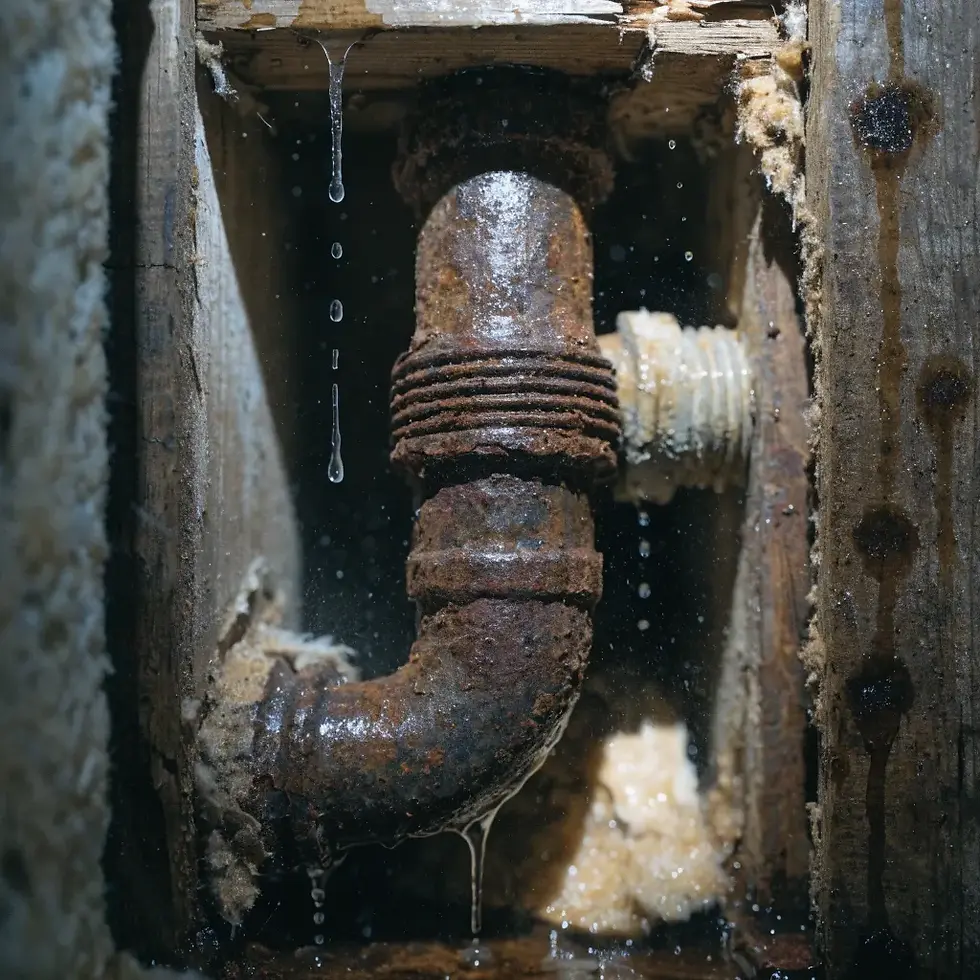
This means checking pipe material. Homes built before the 1970s frequently contain cast iron or galvanized steel pipes, both of which corrode from the inside out. A renovation is often the first time anyone has looked closely at them in decades. Flaking rust, reduced water pressure, or slow drains are warning signs a designer takes seriously before committing to expensive finishes. Replacing these pipes during a renovation is dramatically cheaper than tearing out new tile to access them later.
Smart Plumbing Integration: The New Reason to Open the Wall
In 2024 and into 2025, this inspection has taken on an entirely new dimension. Designers are now evaluating the wet wall not just for what it currently contains, but for what it needs to support going forward.

Digital shower systems think thermostatic valve controllers, programmable flow rates, and app-connected interfaces require both plumbing and electrical rough-ins within the same wall cavity.
Before specifying any of these systems, a designer confirms whether the wet wall has space for additional pipe runs without compromising structural integrity, and whether an electrician needs to be brought in before tile work begins. A renovation that skips this step often ends up with smart fixtures that can't be fully installed or worse, a finished wall that needs to be reopened.
Ventilation: The Check Nobody Talks About
One of the most consequential and most overlooked checks a designer makes involves ventilation. Moisture is the primary enemy of any bathroom renovation, and it originates almost entirely from the wet zone surrounding the shower and bath.
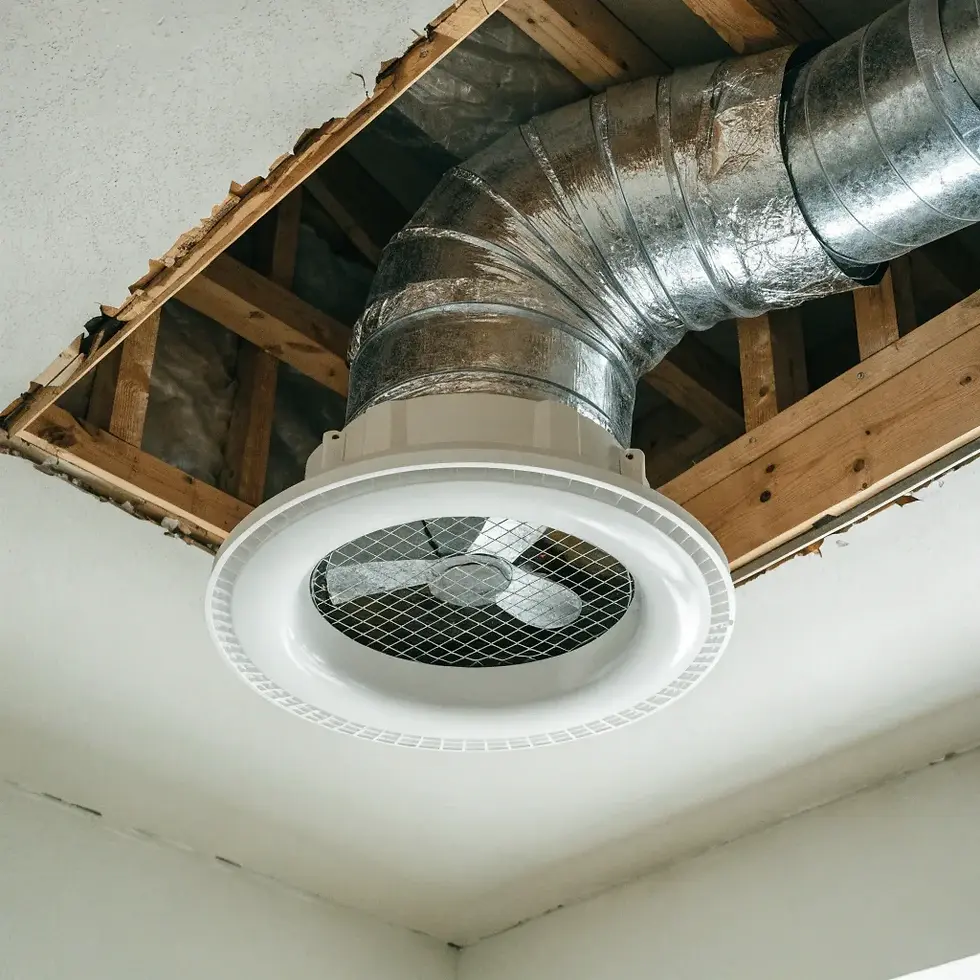
The industry has shifted significantly. Wellness-driven ventilation is now a design pillar, not an afterthought. Designers are specifying silent, high-efficiency exhaust fans with humidity sensors that activate automatically and shut off only when moisture levels normalize not on a timer, not manually. This matters because standard bathroom fans running on timers rarely run long enough to actually clear humid air from the wall cavity.
Before recommending this upgrade, however, a designer checks whether the existing duct path from fan to exterior exit is clear, unobstructed, and properly terminated. They also verify that the exhaust fan circuit can support a higher-capacity unit. Getting this right protects every material decision that follows.
Material Selection Starts With the Wet Wall Assessment
Here's what most renovation guides get backwards: material selection should follow the wet wall assessment, not precede it. What the wall can structurally support dictates what you can install on top of it.
Stone Drenching and Large-Format Panels

The single biggest trend reshaping bathroom design right now is the move away from small-format tiles toward oversized stone slabs and seamless large-format panels — a look often called "stone drenching," where a single material runs continuously across floors, walls, and even ceiling surfaces. Aqua wall panels and similar systems achieve this with minimal grout lines, dramatically reducing maintenance and the mold risk associated with traditional tile grout in wet zones.
But large-format stone and panels are heavy. A designer checks whether the substrate behind the wet wall typically cement board or a comprehensive system geared toward understanding bathroom waterproofing needs is rated for the additional load. They also confirm that the framing behind the wall is on the correct stud spacing, since large panels spanning poorly spaced framing can flex, crack adhesive bonds, and eventually fail.
Fluted 3D Panels and Wabi-Sabi Finishes
Alongside stone drenching, textured surfaces are having a major moment. Fluted 3D wall panels and organic, matte finishes rooted in the Wabi-Sabi aesthetic raw, imperfect, natural are replacing the high-gloss, sterile look that defined bathroom design a decade ago. These materials require specific adhesives, specific substrate conditions, and in many cases, a completely flat and level wall behind them. A wet wall with bulging pipes or deteriorating plaster makes a poor substrate for textured panel systems, and a designer catches this before specifications are finalized.
Sustainable Materials and the Plumbing Audit
The green design movement has arrived in bathroom renovation with real momentum. VOC-free paints and sealants are now standard in most designer specifications relevant not just for air quality but because traditional solvent-based products can degrade certain waterproofing membrane systems over time.

More meaningfully, designers are now auditing existing plumbing to confirm it can support low-flow, high-performance showerheads. This distinction matters: low-flow heads require adequate water pressure to function correctly. An older home with partially corroded pipes delivering reduced pressure will disappoint with a premium low-flow fixture. The audit identifies whether a pressure-balancing valve upgrade is needed before the showerhead goes on the spec sheet.
Recycled material fixtures reclaimed wood vanity bases, recycled glass tiles used as accent bands also require checking that the surrounding wet wall environment won't accelerate material breakdown through moisture exposure. This is a judgment call that only happens when a designer has already done the wall assessment.
The Decision That Protects Everything Else
A bathroom renovation is almost always evaluated by what's visible: the tile, the fixture finishes, the lighting, the mirror. But every one of those choices is vulnerable to what happens inside the wet wall a slow leak, an inadequately vented drain, a humidity problem that a basic fan can't manage.
The designers who build bathrooms that hold up over time aren't the ones who choose the most beautiful materials. They're the ones who check the wet wall first, ask the hard questions about what's inside it, and make every other decision from that foundation outward. Fully maximizing the benefits of a bathroom renovation depends on it.
That's not caution. That's expertise.


Comments