
What to Look for When Buying Used Construction Equipment

Purchasing used machinery can be one of the most cost-effective decisions a contractor makes. Whether you're expanding your fleet or replacing aging equipment, buying pre-owned machines allows you to lower upfront costs while still gaining the performance needed to complete demanding jobs. However, not all used equipment offers the same value. Careful evaluation is essential.
If you're browsing listings for construction equipment for sale, knowing exactly what to inspect can protect your investment and help you avoid costly repairs down the road. Below is a comprehensive guide to what you should look for before finalizing a purchase.
1. Overall Machine Condition

Start with a full visual inspection. While cosmetic wear is normal, structural damage is not.
Look for:
● Cracks in the frame or boom
● Poor weld repairs
● Excessive rust or corrosion
● Fluid leaks beneath the machine
● Damaged panels or guards
Surface scratches and worn paint are expected, but significant structural damage may indicate heavy use or improper operation. A well-maintained machine should show consistent wear, not signs of neglect.
2. Engine Health and Performance

The engine is one of the most expensive components to repair. Evaluating its condition is critical when reviewing used equipment.
During inspection:
● Start the engine cold
● Listen for knocking or rattling
● Watch for excessive exhaust smoke
● Check for smooth idling
● Observe throttle response
Blue smoke can indicate oil burning. White smoke may signal coolant issues. Black smoke often points to fuel system problems. A healthy engine should start smoothly and operate without excessive vibration.
When reviewing construction equipment for sale, prioritize machines with strong engine performance and documented service history.
3. Equipment Hours
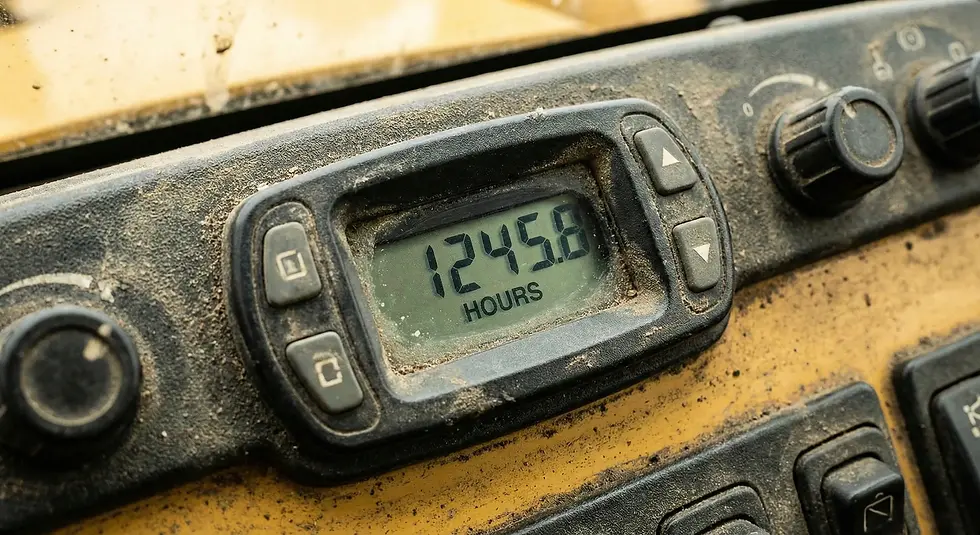
Operating hours provide insight into how much work the machine has completed. Similar to mileage on a vehicle, hours matter — but context matters more.
Consider:
● Type of work performed
● Maintenance frequency
● Brand durability
● Expected lifespan of the model
A machine with higher hours but consistent maintenance may be a better investment than one with lower hours and no service documentation.
4. Maintenance and Service Records

A documented maintenance history is one of the strongest indicators of reliability.
Ask for records showing:
● Oil and filter changes
● Hydraulic servicing
● Belt and hose replacements
● Major component repairs
● Manufacturer-recommended inspections
Consistent service reduces the risk of breakdowns and extends machine lifespan. If records are unavailable, proceed cautiously.
Reputable dealers offering construction equipment for sale often provide detailed inspection reports and service documentation, giving buyers greater peace of mind.
5. Hydraulic System Condition

Hydraulics power critical functions like lifting, digging, steering, and operating attachments. Problems in this system can be costly.
Inspect for:
● Leaking hydraulic fluid
● Slow or jerky arm movement
● Weak lifting power
● Worn hoses or fittings
● Unusual whining sounds
Operate all hydraulic functions to ensure smooth and responsive performance. Any hesitation or inconsistent movement could signal internal wear.
6. Undercarriage or Tire Wear

The undercarriage is one of the most expensive areas to repair on tracked equipment.
For tracked machines:
● Examine track condition
● Inspect rollers and idlers
● Check sprocket wear
● Confirm proper track tension
For wheeled machines:
● Check tread depth
● Look for uneven wear
● Inspect sidewalls for cracks
Heavy wear in these areas may significantly increase post-purchase repair costs.
7. Pins, Bushings, and Joints

Over time, moving components naturally loosen. However, excessive play may indicate long-term wear.
Check:
● Bucket movement
● Arm and boom stability
● Side-to-side shifting
● Loose pivot points
Excessive looseness can affect precision and may require costly part replacements.
8. Electrical and Technology Systems

Modern construction equipment may include advanced features such as:
● Digital control panels
● Backup cameras
● Telematics systems
● Grade control technology
● Diagnostic displays
Ensure all electronics function properly. Faulty sensors or display systems can impact productivity and safety.
9. Attachments and Compatibility
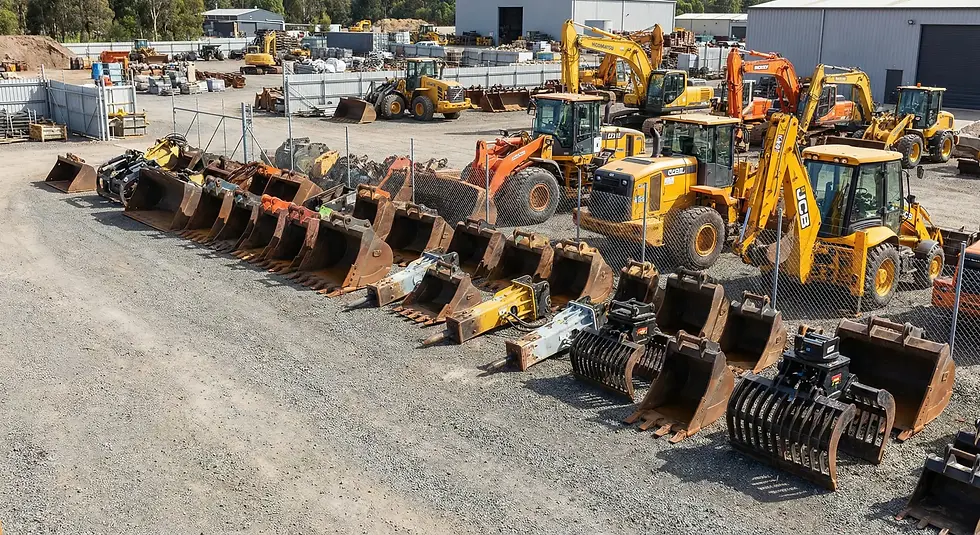
Attachments greatly expand a machine’s versatility. If attachments are included, inspect them carefully.
Check for:
● Cracks or poor welds
● Worn cutting edges
● Hydraulic connection integrity
● Secure locking mechanisms
Also confirm compatibility with additional attachments you may plan to use in the future.
10. Signs of Hard Use or Abuse
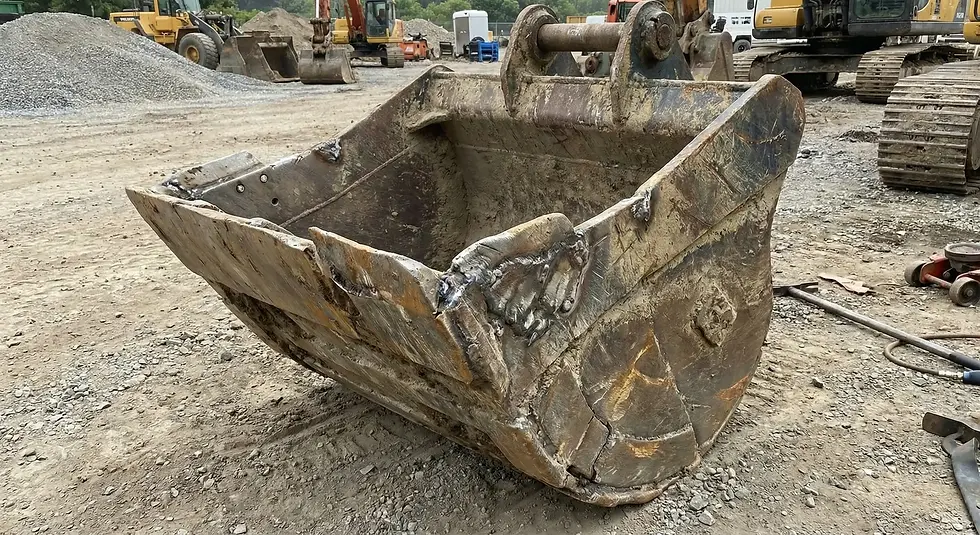
Some wear is normal. Abuse is not.
Warning signs include:
● Bent bucket edges
● Misaligned booms
● Poor-quality weld repairs
● Excessive dirt buildup in engine compartments
● Unusual vibrations during operation
These indicators may suggest improper operation or lack of routine maintenance.
11. Always Perform a Test Run

If possible, operate the machine before purchasing.
During testing:
● Run through all controls
● Test lifting capacity
● Evaluate steering and braking
● Listen for unusual noises
● Check shifting and throttle response
A test run often reveals performance issues that aren’t visible during a stationary inspection.
12. Dealer Reputation Matters

Where you buy used equipment is just as important as what you buy.
Purchasing from a reputable dealer provides:
● Professional inspections
● Maintenance transparency
● Financing options
● Possible warranty coverage
● Post-sale support
Private sellers may offer lower prices, but the lack of documentation or support can increase risk. When reviewing listings for construction equipment for sale, prioritize established dealers with strong reputations.
13. Cost vs. Long-Term Value
The lowest price isn’t always the best deal.
Factor in:
● Expected repair costs
● Replacement part availability
● Resale value
● Fuel efficiency
● Brand reliability
Spending slightly more upfront on a well-maintained machine often results in lower total ownership costs.
14. Make Sure It Fits Your Business Needs
Before finalizing a purchase, consider:
● Your most common project types
● Frequency of equipment use
● Operator experience
● Transportation and storage capabilities
● Future growth plans
Buying equipment aligned with your services ensures consistent utilization and stronger return on investment.
Final Thoughts

Buying used equipment can be a smart and strategic way to grow your business without taking on the full cost of new machinery. However, thorough inspection and careful evaluation are essential to avoid unexpected expenses.
When reviewing construction equipment for sale, focus on condition, service history, hydraulic performance, undercarriage wear, and dealer credibility. A well-maintained used machine can deliver years of dependable service, improved efficiency, and increased profitability.
Taking the time to inspect carefully today can save significant time, money, and frustration in the future.


Comments