
Basement Waterproofing in Toronto & GTA: Why It's a Necessity

Updated: Mar 25
Basement water intrusion has become increasingly common across Toronto and the broader Greater Toronto Area (GTA). While flooding is often blamed on extreme weather alone, the root causes are more structural. Aging municipal infrastructure, dense urban development, and clay-heavy soil conditions have combined to make basements one of the most vulnerable areas of residential homes. This is why homeowners, builders, and inspectors increasingly view working with a qualified basement waterproofing company in GTA as a preventative necessity rather than a reactive repair.
From a technical standpoint, basement waterproofing in Toronto is no longer about isolated fixes such as sealing a crack or installing a temporary pump. It is about designing systems that manage groundwater, surface runoff, and hydrostatic pressure in an environment where municipal drainage networks are frequently operating at capacity. Understanding why these pressures exist is critical to understanding how waterproofing protects homes across the GTA.
Urban Infrastructure and the Growing Flood Risk
Much of Toronto’s residential infrastructure was designed decades ago, long before current rainfall intensity and urban density levels. Older stormwater systems were engineered for predictable, moderate precipitation—not the short, heavy downpours that are now common across the region.
As development expanded, natural absorption areas were replaced with paved surfaces and buildings. This reduced the ground’s ability to absorb water and increased runoff entering municipal storm sewers. When these systems reach capacity, excess water does not simply disappear—it builds pressure underground and migrates toward nearby foundations.
Basements, being the lowest point of a structure, become the most common entry point.
Why Basements Are the Primary Point of Failure
Basements sit below grade and are in constant contact with surrounding soil. In Toronto and much of the GTA, that soil is predominantly clay-based. Clay drains slowly and retains moisture, allowing groundwater to remain in contact with foundation walls for extended periods.
When soil becomes saturated, hydrostatic pressure builds. This pressure exploits weak points such as:
Hairline foundation cracks
Mortar joints
Porous concrete
Aging weeping tile systems
Even structurally sound homes can experience seepage or flooding when these pressures are not properly managed.
How Basement Waterproofing Addresses the Root Cause
Basement waterproofing is most effective when it focuses on water management, not just water resistance. Rather than attempting to block water at random points, modern systems are designed to relieve pressure and redirect water away from the structure.
This typically involves:
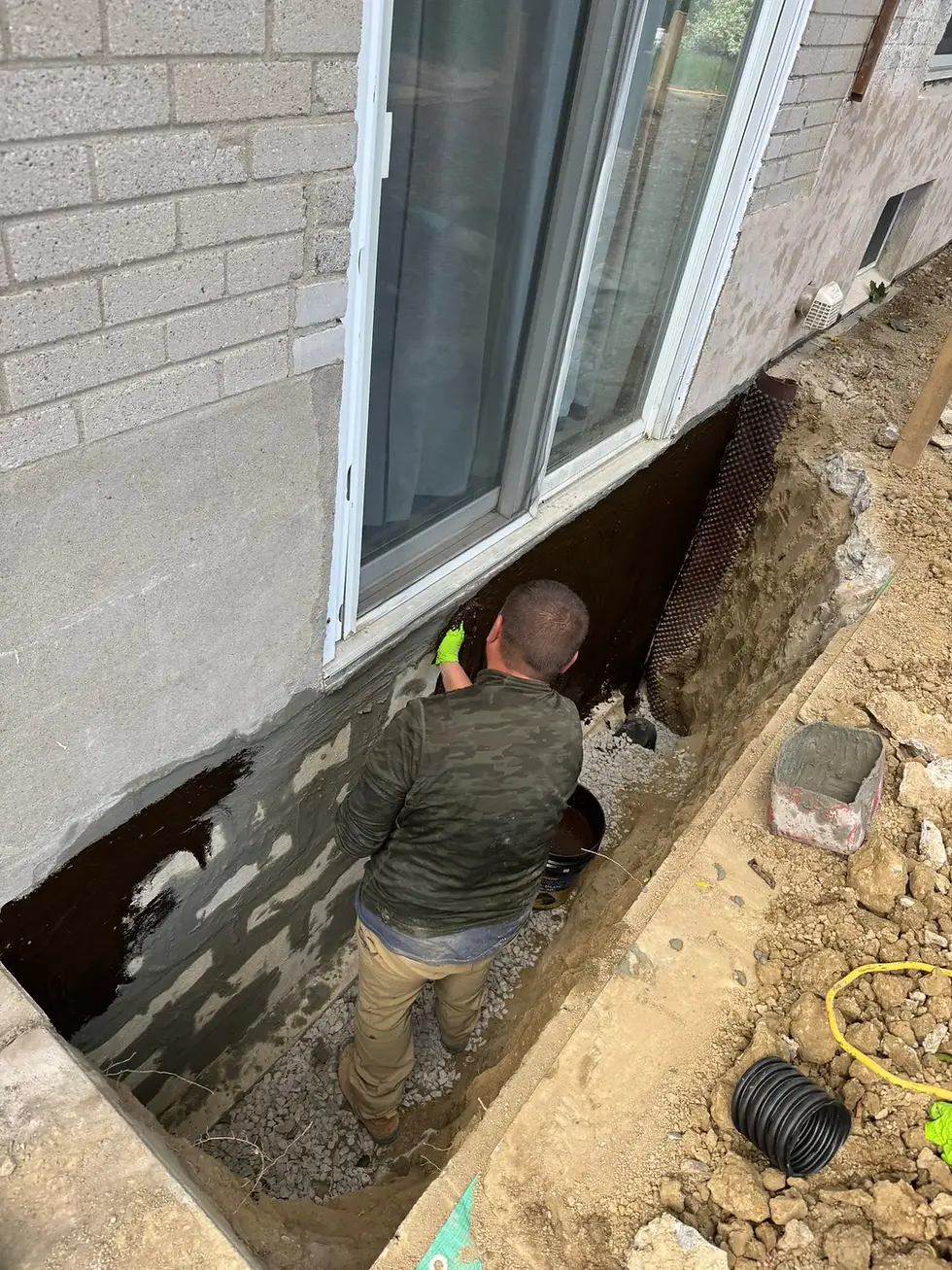
Perimeter drainage systems that collect groundwater
Waterproof membranes or barriers that prevent moisture penetration
Controlled discharge systems that move water away from the foundation
When combined, these components work together to keep basements dry even when external conditions are unfavorable.
Why Toronto Homes Face Higher Basement Moisture Risk

Several regional factors amplify basement water problems in Toronto and surrounding municipalities:
Aging Foundations
Many homes were built 40–80 years ago using materials and drainage methods that were not designed for today’s water volumes or soil movement.
Combined Sewer Systems
Some older neighborhoods still rely on systems that carry both stormwater and wastewater. During heavy rainfall, backups increase pressure on residential drainage.
Deteriorated Perimeter Drainage
Original weeping tile systems often collapse or clog after decades underground, reducing their ability to move water away efficiently.
Increased Rainfall Intensity
Modern storm patterns deliver large volumes of water in short periods, overwhelming both surface grading and subsurface drainage.
If you need to redesign your basement, get in touch with our experts.
Long-Term Protection and Property Value
Beyond preventing flooding, basement waterproofing protects structural integrity. Persistent moisture can lead to foundation deterioration, mold growth, and damage to finished basements. These issues are costly to repair and negatively affect indoor air quality and resale value.
In the GTA housing market, documented waterproofing is increasingly viewed as a long-term asset. Homes with protected foundations are less likely to experience recurring water issues and are often perceived as lower-risk investments by buyers.
Prevention Is More Effective Than Emergency Repair

A common misconception is that waterproofing is only necessary after a flood. In reality, preventative waterproofing is significantly more effective and less disruptive. Addressing water movement before failure allows systems to function under controlled conditions rather than during peak stress events.
This proactive approach aligns with modern building science, which prioritizes risk reduction over emergency response.
A Shift Toward Water-Resilient Urban Housing
As Toronto and the GTA continue to densify, water-resilient housing design has become essential. Basement waterproofing plays a central role in this shift, complementing municipal infrastructure upgrades and improved surface drainage.
Rather than treating basement flooding as an unpredictable event, homeowners and professionals increasingly recognize it as a foreseeable outcome of urban conditions. Waterproofing addresses these realities directly by managing water where pressure is greatest—below ground.
Conclusion
Basement water issues across Toronto and the GTA are not random. They result from aging infrastructure, clay soil behavior, and changing rainfall patterns. As these pressures increase, basement waterproofing has become a critical safeguard for urban homes.
By relieving hydrostatic pressure, redirecting groundwater, and protecting foundation materials, modern waterproofing systems help ensure long-term structural stability and livability in one of Canada’s most densely developed regions.


Comments