
Why Does My AC Compressor Shut Off After 2-3 Minutes? Discover the Real Reasons and Proven Fixes

Updated: Oct 25, 2025
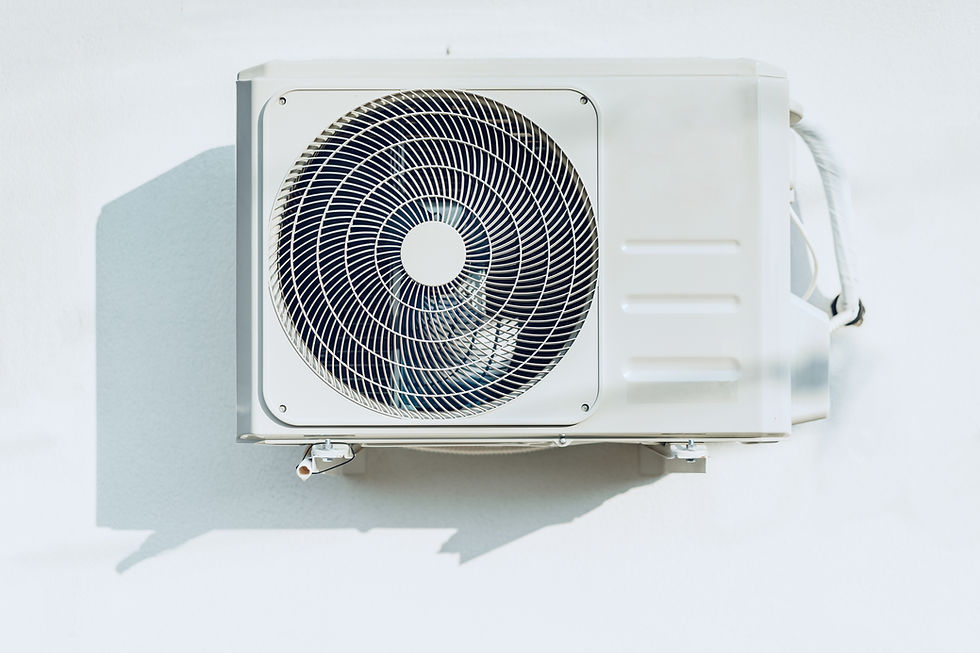
Is your AC compressor shutting off after just 2–3 minutes of operation? You’re not alone—and it’s not normal. When your air conditioning system stops working properly, especially during a blazing hot day, it’s not just uncomfortable—it’s frustrating and potentially costly. But here’s the good news: this common issue has identifiable causes and actionable solutions.
We’ll walk you through diagnostics, troubleshooting steps, and when to call in a pro. Packed with powerful tips, industry insights, and targeted keywords, this guide will help you regain control of your cooling comfort—fast.
Let’s get into the real reasons why your AC compressor runs briefly and then shuts off—and what you can do about it today.
1. Understanding the Role of the AC Compressor

Before jumping into the why, let’s briefly understand the what. Your AC compressor is the heart of the cooling system. It pressurizes the refrigerant and circulates it through the system to transfer heat. Without a properly functioning compressor, your AC system simply cannot cool your home.
When the compressor turns on and off quickly—known as "short cycling"—the system fails to reach optimal cooling levels, wastes energy, and experiences premature wear.
If your AC compressor shuts off after only 2 or 3 minutes, something is definitely wrong—and ignoring it could lead to expensive repairs or a full system replacement.
Top 10 Reasons Why Your AC Compressor Shuts Off After 2–3 Minutes
Let’s dive into the most common causes of this issue. Knowing what’s behind your AC’s erratic behavior can help you fix it faster and smarter.
1. Low Refrigerant Levels
Cause: A refrigerant leak or undercharged system.Impact: Without enough refrigerant, the compressor overheats quickly and shuts off as a safety measure.Fix: A certified technician must locate the leak, repair it, and recharge the system.
Stat: 85% of AC short cycling issues are due to refrigerant problems. (Source: HVAC.com)
2. Dirty or Clogged Air Filter
Cause: Blocked airflow causes the evaporator coil to freeze.Impact: The system can’t operate efficiently, and the compressor will shut down.Fix: Replace the filter every 30–60 days, especially during peak usage.
3. Faulty Thermostat Placement or Calibration
Cause: Thermostat is near heat sources or windows, causing inaccurate readings.Impact: The system shuts down too early or short cycles repeatedly.Fix: Relocate or recalibrate the thermostat for accurate room temperature readings.
4. Overheating Compressor (Thermal Overload)
Cause: Insufficient airflow, blocked condenser, or internal faults.Impact: The internal safety switch trips, and the compressor shuts down to prevent damage.Fix: Clean the outdoor condenser unit and check for airflow restrictions.
5. Electrical Issues or Faulty Capacitor
Cause: A failing start capacitor or corroded wiring.Impact: The compressor can’t maintain power and shuts down prematurely.Fix: Have an HVAC tech inspect and replace faulty capacitors or contactors.
6. Incorrect Sizing of the AC Unit
Cause: An oversized AC system cools the space too fast.Impact: Frequent on-off cycles reduce efficiency and damage components.Fix: A professional load calculation may be necessary—you might need a right-sized unit.
7. Blocked Condenser Coils
Cause: Dirt, leaves, and debris clog the outdoor unit.Impact: Inadequate heat exchange causes the compressor to overheat and shut down.Fix: Turn off power and gently clean coils using a hose or coil cleaner.
8. Malfunctioning High-Pressure Switch
Cause: Excessive refrigerant pressure.Impact: The switch shuts off the compressor as a safety measure.Fix: A tech can test and replace the switch if needed.
9. AC Control Board or Relay Problems
Cause: Failing relays or control board misfire.Impact: Compressor receives inconsistent signals and short cycles.Fix: Diagnosed and replaced by an experienced HVAC professional.
10. Frozen Evaporator Coil
Cause: Poor airflow or low refrigerant.Impact: Ice buildup causes the compressor to struggle and shut off.Fix: Turn off the system to thaw, replace filters, and check refrigerant levels.
How to Troubleshoot AC Compressor Issues: Step-by-Step
You can safely diagnose several issues before calling an expert. Follow these steps:
Step 1: Check the Thermostat
Set temperature 5°F below room temp.
Make sure it's in cooling mode and fan is set to Auto.
Step 2: Inspect the Air Filter
Remove the return filter.
If it looks gray or clogged, replace it.
Step 3: Look at the Outdoor Unit
Remove debris around the condenser coil.
Feel if air is blowing hot air out—if not, it's blocked.
Step 4: Reset the Breaker
Turn off your HVAC at the breaker box.
Wait 5 minutes, then turn it back on.
Step 5: Listen for Clicking or Buzzing
Clicking? Bad capacitor.
Buzzing then silence? Overloaded compressor.
Warning: Never open the compressor or handle refrigerant without HVAC certification.
When to Call a Professional HVAC Technician

If your AC compressor continues shutting off after 2–3 minutes even after troubleshooting, it’s time for a licensed HVAC tech to take over.
Here’s when to call:
You hear loud hissing, buzzing, or popping sounds.
The unit refuses to stay on even after resetting.
You suspect a refrigerant leak or electrical failure.
You see ice on the coils or unusual water leaks near the air handler.
A trained pro will test system pressure, inspect wiring, check the capacitor, and confirm the right fix—saving you money and time.
How to Prevent Future AC Compressor Short Cycling
Regular Maintenance
Have your system inspected and cleaned twice a year—once before summer and once before winter.
Replace Filters Promptly
Dirty filters are enemy # 1 to airflow. Mark a calendar reminder.
Ensure Correct System Size
Get a proper HVAC load calculation to avoid an oversized or undersized unit.
Upgrade Old Thermostats
Smart thermostats help manage run cycles more effectively and prevent overcooling.
Watch for Warning Signs
Strange noises? Rising energy bills? Act before your compressor shuts down completely.
Conclusion: Stay Cool and Take Action Today
If your AC compressor shuts off after 2 or 3 minutes, don’t ignore the problem—it's a sign of a deeper issue that can lead to system failure, sky-high energy bills, and uncomfortable indoor conditions.
By identifying the root cause—whether it’s a clogged air filter, low refrigerant, faulty capacitor, or dirty condenser—you can either fix the issue yourself or call in a pro before it’s too late.
Want long-term peace of mind? Schedule regular HVAC tune-ups, replace filters, and invest in a smart thermostat.
7 FAQs About AC Compressor Short Cycling
1. Is it dangerous if my compressor shuts off quickly?
Yes, it can cause internal damage and shorten the life of your system.
2. Can a dirty filter cause the AC to shut off?
Absolutely. It restricts airflow, freezes coils, and causes shutdown.
3. How often should I change my air filter?
Every 30–60 days—more frequently if you have pets or allergies.
Can low refrigerant cause short cycling?Yes. It’s one of the most common reasons for compressor issues.
5. Is short cycling bad for energy bills?Definitely. Your system consumes more power during frequent starts.
6. Can I fix a capacitor myself?No. It involves high-voltage components—always call a pro.
7. How do I prevent compressor issues long-term?Schedule annual maintenance, use quality filters, and upgrade your thermostat.


Comments