
Why is My AC Blowing Hot Air?

Updated: Oct 24, 2025
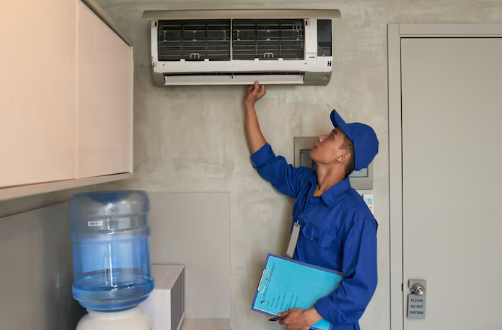
Your AC might be blowing hot air because of a basic issue such as an incorrect thermostat setting or a dirty air filter, or it could be due to a more complicated problem like a refrigerant leak or a malfunctioning compressor. To resolve this, start by checking the thermostat and air filter, then examine the outdoor unit for any blockages. If the issue continues, contact a professional technician for more serious problems like refrigerant leaks, compressor issues, or electrical faults.
The compressor is the heart of your AC unit. It’s a powerful pump that increases the refrigerant’s pressure, a vital step in the heat-absorbing cycle. A malfunctioning compressor is a common reason for hot air blowing from your vents. Other essential parts include the condenser, which releases the absorbed heat outside, and the evaporator coil, where the refrigerant absorbs heat from your indoor air. These components work in a precise sequence; a problem in any one can disrupt the entire cooling process.
Regular maintenance is crucial for preventing problems. This includes changing your air filter regularly, which keeps the system from working too hard and potentially overheating. Ignoring maintenance can lead to premature component failure, including the compressor, resulting in costly repairs and hot air instead of cool air. “Ignoring regular maintenance is like driving a car without changing the oil—it might seem fine for a while, but eventually, something will break.”
Common AC Components and Their Functions
Your air conditioner cools your home using several key components: the refrigerant, which absorbs and releases heat; the compressor, which pressurizes the refrigerant; and the condenser, which releases the heat outside. Understanding these parts is crucial for troubleshooting.
The evaporator coil inside your home absorbs heat from the air blown over it by the blower fan, and the cool air circulates through your ductwork. The thermostat regulates temperature and controls the system. Malfunctions in these components, such as a refrigerant leak, can cause hot air to blow from your vents.
Finally, remember the importance of the condenser coils, located outside your home. These coils release the heat absorbed by the refrigerant. Dirt and debris buildup on these coils significantly reduce efficiency, resulting in less cooling power and potentially hot air blowing inside. Regular cleaning of the condenser unit—at least once a year—is essential for optimal performance and longevity. “Ignoring regular maintenance can lead to costly repairs down the line.” Regular checks on the system are just as important as understanding the parts.
Understanding the Refrigerant Cycle: How Your AC Cools
Your air conditioner uses a refrigerant to cool your home. This special fluid absorbs heat from inside your house and releases it outside. This process relies on a closed system of pipes and components. Understanding this refrigerant cycle is key to diagnosing why your AC might be blowing hot air.
The cycle begins with low-pressure, cool refrigerant absorbing heat from your indoor coils (evaporator). This heat turns the liquid refrigerant into a gas. The refrigerant then travels to the outdoor unit (condenser), where a compressor raises its pressure. This higher pressure allows the hot refrigerant gas to release its absorbed heat into the outside air, thanks to the condenser coils. This process is similar to how sweat cools your skin; the evaporation of the refrigerant removes heat.
Finally, the now cooled, high-pressure refrigerant flows through an expansion valve. This reduces the pressure, allowing it to return to a low-pressure liquid state, ready to begin the cycle again. Any disruption to this intricate process, like a refrigerant leak or a malfunctioning compressor, can prevent your AC from cooling effectively, resulting in hot air. “A properly functioning refrigerant cycle is essential for efficient cooling, and any issues should be addressed by a qualified HVAC technician.” Ignoring problems can lead to costly repairs down the line.
Simple Fixes: Quick Checks Before Calling a Technician

Checking the Thermostat Settings: Temperature, Fan Mode, and Filters
First, verify the thermostat’s temperature setting. Make sure it’s set to a temperature cooler than the current room temperature. A common mistake is accidentally setting the thermostat to “fan only” mode, which circulates air but doesn’t cool it. Switch to “cool” or “auto” mode, depending on your thermostat’s design. Remember, even a small discrepancy can impact your AC’s performance. For example, setting it one degree warmer than desired can significantly increase runtime.
Next, inspect your air filter. A clogged or dirty air filter restricts airflow, forcing your AC unit to work harder, potentially leading to hot air output. “A clean filter is crucial for optimal AC performance and can significantly impact efficiency, potentially saving you money on your energy bill,” This is because restricted airflow reduces the heat exchange capacity of your system, leading to inefficient cooling. Consult your AC unit’s manual for filter replacement frequency. Most manufacturers recommend a monthly check and cleaning, or replacement every 3-6 months, depending on use and household factors.
Finally, check the thermostat’s programming. Many modern thermostats have programmable settings or even smart features linked to an app. Ensure these settings aren’t inadvertently hindering the cooling process. For example, a “sleep” mode or an accidentally activated “away” mode might be preventing your AC from running at its full potential. Review your thermostat’s manual for a detailed explanation of its functions. Confirm that the desired temperature is set correctly and that the system is not unintentionally restricted from cooling by an automation feature.
Inspecting the Air Filter: Clogged Filters and Their Impact
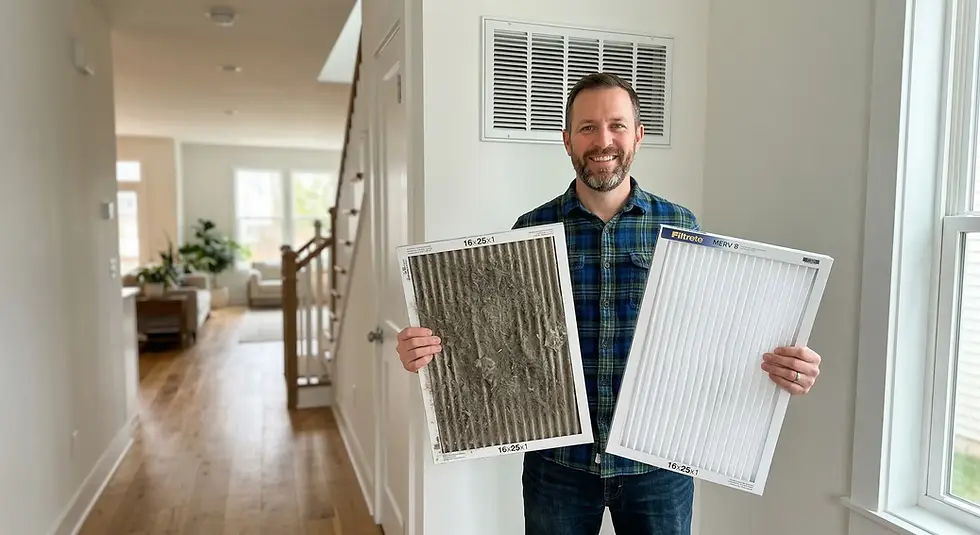
A dirty air filter is the most common reason for an AC unit blowing hot air. It restricts airflow, preventing the system from properly cooling. This simple yet crucial component needs regular attention. Consider changing your filter every 1-3 months, depending on usage and the type of filter. A neglected filter dramatically reduces efficiency, potentially leading to expensive repairs down the line.
Think of your air filter as the lungs of your AC system. A clogged filter forces your system to work harder, straining the compressor and other components. This increased strain leads to higher energy bills and a shorter lifespan for your unit. Many homeowners unknowingly contribute to this problem by ignoring routine maintenance checks. “Regular filter changes can significantly increase the life of your AC unit, saving you money in the long run.”
To inspect your filter, locate the return air grille, usually on the wall or floor. Most filters are easily accessible. Visually assess the condition: If it’s dusty or dark, it’s time for a replacement. Remember to turn off your AC system before handling the filter to ensure safety. Replacing a clogged filter is often all it takes to restore cool air. A new, clean filter allows for optimal airflow, ensuring your AC system operates efficiently and effectively, preventing premature wear and tear.
Power Cycle Your Unit: A Simple Reset
Is your air conditioner blowing hot air? Before you panic and call a technician, try the simplest fix first: a power cycle. This involves completely turning off your unit and then restarting it. It’s like giving your AC a quick reset, often clearing minor glitches that cause problems. This simple step resolves many common AC issues, saving you time and potential repair costs.
To perform a power cycle, first, locate your AC unit’s circuit breaker. This is usually found in your electrical panel, a metal box often located in your basement, garage, or utility closet. Identify the breaker controlling your AC unit; it might be labeled clearly. Turn the breaker off completely to the “off” position. Wait at least 60 seconds. This allows capacitors within the unit to fully discharge, preventing electrical shocks and ensuring a complete reset.
After the waiting period, switch the breaker back to the “on” position. Wait a few minutes for the AC unit to restart and check if cool air is now blowing. “If the problem persists, then more thorough troubleshooting may be required, but a power cycle is often the first, fastest, and easiest solution for many common air conditioner malfunctions.” This simple procedure often resolves minor software glitches or electrical surges that interrupt the cooling process. If the problem remains, move on to the next steps in our comprehensive troubleshooting guide.
Identifying Potential Problems: Signs and Symptoms

Frozen Evaporator Coil: Causes, Symptoms and Solutions
A frozen evaporator coil is a common cause of hot air blowing from your AC unit. This ice buildup restricts airflow, preventing the system from effectively cooling the air. The problem often stems from insufficient airflow, either due to a dirty air filter or restricted airflow within the ductwork. A refrigerant leak can also cause freezing, as insufficient refrigerant reduces the system’s cooling capacity.
Symptoms of a frozen evaporator coil include a lack of cool air, unusual noises like gurgling or crackling from the unit, and visible ice buildup on the evaporator coil itself (if accessible). You might also notice a significant decrease in your AC’s efficiency. Addressing a frozen evaporator coil promptly is crucial to prevent further damage to your system. Ignoring the problem can lead to expensive repairs down the line.
To resolve a frozen evaporator coil, first, check and clean or replace your air filter. A clogged filter significantly restricts airflow. Next, inspect your ductwork for any blockages or restrictions. If the problem persists, a refrigerant leak might be the culprit; this requires professional assessment and repair by a qualified HVAC technician. “Never attempt to defrost the coil yourself with a heater or other heat source, as this could damage the system.” Finally, regular maintenance, including professional inspections, will help prevent future freezing issues.
Refrigerant Leaks: Detection and Repair
Refrigerant leaks are a common cause of hot air blowing from your AC unit. These leaks slowly deplete the refrigerant, which is essential for the cooling process. A low refrigerant charge prevents the system from absorbing heat effectively, resulting in warm air output. Identifying a leak often requires professional help.
Signs of a refrigerant leak can be subtle. You might notice a hissing sound near the AC unit, especially the compressor or coils. Also look for oily residue around connections or near the unit’s exterior. Frozen evaporator coils are another strong indicator of low refrigerant, as insufficient refrigerant causes inefficient heat transfer and subsequent freezing. Never attempt to recharge refrigerant yourself. This requires specialized tools and knowledge, and improper handling can damage the system or be dangerous.
Professional AC technicians use specialized equipment to detect leaks. They employ electronic leak detectors to pinpoint the precise location of the leak. Repair involves fixing the leak, typically through soldering or replacing damaged components. After the repair, the system is vacuumed to remove air and moisture, and then recharged with the correct amount of refrigerant. “It’s crucial to address refrigerant leaks promptly to prevent further damage to your AC system and ensure optimal cooling performance.” Ignoring a leak can lead to costly repairs down the line, potentially even necessitating a complete system replacement.
Compressor Issues: Recognizing Problems and Seeking Professional Help
Your air conditioner’s compressor is a vital component. It’s responsible for circulating refrigerant, crucial for cooling. A malfunctioning compressor is a common reason for hot air blowing from your vents. Signs of compressor trouble include unusual noises—like loud clicking, humming, or grinding—coming from the outdoor unit. You might also notice that the compressor itself isn’t running, even when the AC is on. These issues are often accompanied by a lack of cold air, indicating a serious problem.
If you suspect compressor problems, don’t attempt DIY repairs. Refrigerant is under high pressure and improper handling can cause injury or damage your system further. The compressor itself is a complex and expensive part. “Improper repair attempts could void warranties and lead to more extensive, costly damage.” Instead, call a qualified HVAC technician. A professional can diagnose the specific problem, whether it’s a failing compressor, a refrigerant leak, or a related electrical issue. They possess the tools and expertise to safely handle the refrigerant and conduct necessary repairs or replacements.
Finding a reputable technician involves checking online reviews, asking for referrals, and verifying their licenses and insurance. Ensure they have experience with your specific AC unit make and model. “A timely repair can prevent more substantial damage and ensure your system runs efficiently throughout the cooling season.” Remember, a properly functioning compressor is essential for your AC’s ability to cool your home effectively. Don’t delay professional help if you suspect a problem; a prompt repair saves money and ensures a comfortable indoor climate.
Advanced Troubleshooting Steps
Checking the Condenser Unit: Cleanliness, Fan Functionality, and Refrigerant Levels
The condenser unit, located outside your home, is crucial for your AC’s cooling process. Its efficiency depends heavily on cleanliness, fan operation, and sufficient refrigerant. Begin by inspecting the unit for debris. Leaves, dirt, and other obstructions can significantly restrict airflow, leading to overheating and hot air blowing indoors. Regular cleaning, ideally every spring, is essential for optimal performance. Use a garden hose to gently rinse away dirt and debris, but be sure to disconnect the power before starting.
Next, check the condenser fan. This fan helps dissipate heat. A malfunctioning or seized fan will prevent proper heat exchange. You should be able to easily see the fan blades spinning when the system is running. If the fan isn’t working, you may need to replace the fan motor or the entire fan assembly. This is a more advanced repair and might require professional assistance. “Remember, never attempt repairs unless you are qualified and comfortable working with electrical equipment.”
Finally, refrigerant levels are vital. Low refrigerant will cause poor cooling and ultimately, hot air from your vents. Refrigerant is a specialized substance handled only by licensed technicians. “Do not attempt to add refrigerant yourself; this requires specialized equipment and expertise, and improper handling can be dangerous.” If you suspect low refrigerant, call a qualified HVAC technician for a professional diagnosis and recharge. They can identify leaks and repair them effectively.
Inspecting the Electrical Connections: Safe Practices and Potential Problems
Before you begin, remember safety first! Always switch off the power to your air conditioning unit at the breaker box before attempting any electrical work. Failure to do so could result in serious injury or even death. Never work on electrical components if you are uncomfortable or lack experience; call a qualified HVAC technician.
Inspecting the wiring connections is crucial. Look for loose wires, corrosion, or signs of damage. Loose connections are a common cause of reduced cooling or hot air. Corrosion can significantly impede the flow of electricity, leading to malfunction. Pay close attention to the connections at the compressor, condenser fan motor, and the indoor air handler. Use a multimeter to test the voltage at these points to ensure they are receiving the correct power. If you find any issues, carefully tighten loose connections or replace damaged wires.
Remember to always use appropriate wire nuts and electrical tape for securing connections.
If you find significant corrosion, replacing the affected parts is often the best solution. Don’t attempt to repair heavily corroded parts; these can be a safety hazard. Remember, damaged or corroded electrical components can lead to short circuits and potentially dangerous fires. If you’re unsure about any aspect of this inspection, “don’t hesitate to call a qualified professional.” They have the tools and expertise to safely diagnose and repair electrical problems in your AC system.
Assessing the Air Ducts: Leaks, Blockages, and Insulation Issues
Leaks in your air duct system are a significant reason for hot air blowing from your AC. These leaks can be surprisingly common, often located in poorly sealed connections or damaged sections of ductwork, especially in older homes or those with unfinished basements. Air escapes through these gaps, reducing the airflow to your vents and making your AC unit work harder, potentially leading to overheating and hot air discharge. Consider using a flashlight to visually inspect your accessible ductwork for any noticeable gaps or holes.
Blockages within the ductwork are another crucial point to check. These can range from simple dust buildup to more serious obstructions like debris, vermin nests, or even crushed duct sections. These blockages restrict airflow, forcing your AC to strain and potentially resulting in hot air output. “Regular maintenance, including professional duct cleaning every few years, is essential for preventing these blockages.” Pay special attention to areas where ductwork bends or changes direction, as these are common places for debris to accumulate.
Finally, inadequate insulation around your air ducts can significantly impact your AC’s performance. Poorly insulated ducts lose a considerable amount of cooled air before it even reaches your vents, especially in attics or unconditioned spaces. This heat gain can easily negate the cooling efforts of your AC unit, resulting in the hot air issue you are experiencing. “Proper duct insulation—typically using fiberglass or foam insulation—is crucial for maintaining consistent cool air throughout your home.” Consider upgrading your duct insulation if you find it lacking or damaged.
When to Call a Professional: Recognizing Serious Issues

Signs That Warrant Professional Assistance
Several warning signs indicate you need professional AC repair, beyond simple troubleshooting. If your system is cycling on and off rapidly, experiencing short cooling cycles, or the compressor is constantly running, these could signal a serious refrigerant leak or compressor failure. Ignoring these issues can lead to extensive damage and costly repairs later on. A qualified HVAC technician possesses the specialized tools and knowledge to diagnose these problems accurately and safely.
Another red flag is the presence of unusual noises emanating from your air conditioning unit. Loud clanging, grinding, or squealing sounds are never normal. These could point to failing internal components, such as a worn bearing or a damaged fan motor. Such problems require immediate attention to prevent catastrophic failure and potentially dangerous conditions like overheating. Attempting DIY fixes without the proper expertise can lead to more harm than good.
Finally, if you notice a strong, unusual odor coming from your AC unit—something beyond the typical slightly musty smell—professional help is essential. This odor might indicate a burning component, electrical malfunction, or even a refrigerant leak, all of which require immediate attention. “Ignoring these smells could result in a fire hazard or exposure to toxic gases,” so call a professional immediately if you detect any concerning smells. Don’t delay; your safety is paramount.
Finding a Reputable AC Technician: Tips and Considerations
Finding a qualified HVAC technician is crucial when your AC unit is blowing hot air and DIY solutions fail. Don’t just pick the first name in online search results. Thorough research is key to ensuring quality service and avoiding costly mistakes. Check online reviews on sites like Yelp or Google Reviews, looking for consistent positive feedback and responses to negative reviews. A company’s responsiveness to customer complaints demonstrates professionalism and willingness to address issues.
When selecting an AC repair professional, look for certifications and licensing. The North American Technician Excellence (NATE) certification is a widely respected standard in the HVAC industry, demonstrating a technician’s expertise and commitment to ongoing training. Inquire about their experience with your specific AC unit type and brand. A company specializing in your brand will often possess greater familiarity with potential issues and solutions, leading to more efficient repairs. “Don’t hesitate to ask for references and contact previous clients to verify the quality of their work.”
Finally, get everything in writing. Before any work begins, obtain a detailed quote that clearly outlines the scope of the repair, parts costs, labor charges, and warranty information. Reputable companies are transparent about their pricing and won’t pressure you into unnecessary repairs. Avoid companies that offer unusually low prices without clear explanations. A balanced approach, considering price and quality, is essential. “Remember, investing in a reputable technician can save you money in the long run by preventing further damage or inefficient repairs.”
Understanding AC Repair Costs
Knowing the potential costs involved in AC repair is crucial before calling a professional. Prices vary significantly depending on the issue, your location, and the technician’s experience. A simple refrigerant recharge might cost a few hundred dollars, while a compressor replacement could easily exceed a thousand. Always get a detailed estimate beforehand to avoid unexpected expenses.
Factors influencing the final bill include the type of AC unit you have (heat pump, central AC, window unit), the age of your system, and the parts needed. Older units may require more expensive repairs or even complete replacements due to obsolete parts. Additionally, emergency service calls often incur higher fees than scheduled appointments. Research average costs in your area for common AC repairs to better understand what to expect. Websites like HomeAdvisor and Angie’s List can provide useful local pricing information.
“Remember, attempting complex repairs yourself can void your warranty and potentially cause further damage, leading to even higher costs down the line.” It’s often more cost-effective and safer to call a qualified technician, especially for issues like compressor problems or refrigerant leaks. While the upfront cost might seem substantial, the long-term savings and peace of mind are significant. Choosing a reputable company with transparent pricing policies is vital. Don’t hesitate to ask questions and clarify any uncertainties before agreeing to any work.
Preventative Maintenance: Keeping Your AC Running Smoothly
Regular Air Filter Changes: Frequency and Best Practices
A clogged air filter is a leading cause of AC problems, including hot air blowing. Therefore, regular filter changes are crucial for maintaining efficient cooling and preventing costly repairs. The general recommendation is to replace your filter every 1-3 months, but several factors influence this.
Factors like the type of filter (pleated filters typically last longer than fiberglass), the number of people and pets in your home, and the presence of allergens all affect how quickly the filter becomes dirty. A visibly dirty filter, with dust and debris restricting airflow, is a clear sign it’s time for a replacement. “Ignoring this simple step can significantly reduce your AC’s efficiency, forcing it to work harder and potentially leading to premature failure.” Consider a visual inspection every month.
When changing your filter, always turn off your AC unit first. Carefully remove the old filter, noting its orientation for easy replacement. Choose a filter with the correct size and type, specifically designed for your AC unit. Avoid using a filter with a higher MERV (Minimum Efficiency Reporting Value) rating than recommended by the manufacturer, as this can restrict airflow too much. “Proper filter maintenance is a simple yet highly effective way to prolong the life of your air conditioner and ensure it operates at peak performance.”
Annual AC Tune-Ups: Benefits and Importance
Scheduling annual AC tune-ups is crucial for maintaining optimal performance and preventing costly repairs. A certified HVAC technician will thoroughly inspect your system, identifying potential problems before they escalate into major breakdowns. This preventative approach significantly extends the lifespan of your air conditioner, saving you money in the long run. Think of it as regular checkups for your car – essential for longevity and avoiding unexpected breakdowns.
During a tune-up, technicians clean vital components like the evaporator coil and condenser. This removes dust and debris, which can restrict airflow and reduce efficiency. They also check refrigerant levels, ensuring your AC operates at peak capacity and doesn’t blow hot air due to leaks. “Neglecting these simple maintenance steps often leads to higher energy bills and premature equipment failure.” Regular servicing ensures efficient cooling and consistent performance throughout the summer months.
Finally, annual maintenance often includes lubricating moving parts and tightening connections. This prevents wear and tear, reducing the likelihood of breakdowns caused by friction or loose components. Early detection of small problems during a tune-up can prevent them from developing into expensive repairs. “Investing in preventative maintenance is a smart financial decision, protecting your investment and ensuring years of reliable cooling.” It’s a small price to pay for peace of mind and efficient, cool air all summer long.
Cleaning the Condenser Unit: Easy Steps for Improved Efficiency
A neglected condenser unit is a leading cause of AC trouble. Cleaning it regularly significantly improves efficiency and extends its lifespan. Think of it like this: a clogged filter restricts airflow in your home’s ductwork; similarly, a dirty condenser coil restricts airflow for your outdoor unit, forcing it to work harder and potentially overheat. This leads to decreased cooling power and, eventually, hot air blowing from your vents. Addressing this simple maintenance task can often prevent costly repairs.
Start by turning off the power to your AC unit at the breaker box for safety. Then, carefully use a garden hose to rinse away dirt, leaves, and debris from the condenser’s fins. Avoid using a pressure washer, as the high pressure can damage the delicate fins. A gentle spray is all that’s needed. Gently clean the fins with a fin comb to straighten any bent fins. This improves airflow and maximizes cooling. “Regular cleaning, ideally every three months, or more frequently in areas with high pollen or dust, can significantly increase your AC’s efficiency.”
Finally, inspect the area around the unit. Remove any vegetation, such as grass or weeds, that might be blocking airflow. Make sure there’s at least two feet of clearance around all sides of the unit. Proper airflow is crucial for optimal cooling performance. Remember to restore power to your unit once the cleaning is complete. By performing this simple maintenance task, you’ll not only avoid hot air blowing from your AC, but you’ll also contribute to a longer lifespan for your system, saving money on expensive repairs down the line.
Energy Efficiency and Saving Money

Energy-Efficient AC Units: Choosing the Right System
Investing in an energy-efficient air conditioning system is financially wise. High-efficiency units with a SEER rating above 16 reduce energy consumption, lowering electricity bills and carbon footprint. Choose a unit suited to your home's size and cooling needs to avoid inefficiencies from undersized or oversized systems.
Choosing the right AC unit requires considering factors beyond the SEER rating, such as variable-speed compressors and smart thermostats. These features enable precise temperature control and optimize energy use. A variable-speed compressor adjusts output to meet cooling demand, unlike single-stage units that run at full capacity. Regular maintenance, including filter changes and professional inspections, is crucial for maximizing efficiency.
Don't underestimate professional installation's importance; improper setup can reduce even advanced AC units' efficiency. A qualified HVAC technician ensures correct sizing, refrigerant levels, and ductwork for optimal performance. Investing in a high-quality, properly installed AC system benefits comfort, energy savings, and equipment longevity. Research local rebates and tax credits for energy-efficient appliances to offset initial costs.
Understanding SEER Ratings: Factors Affecting Efficiency
Your air conditioner’s energy efficiency directly impacts your electricity bill. A key indicator of this efficiency is the Seasonal Energy Efficiency Ratio (SEER) rating. A higher SEER rating signifies that your AC unit uses less energy to produce the same amount of cooling, leading to lower energy costs. For example, an AC unit with a SEER rating of 16 will be more efficient than one with a rating of 13.
Several factors influence your AC’s SEER rating and overall efficiency. The age of your system is crucial. Older units often have lower SEER ratings, consuming significantly more energy. Proper AC maintenance, including regular filter changes and professional servicing, also plays a vital role. Neglecting maintenance can drastically reduce your system’s efficiency, resulting in higher energy bills and the potential for premature failure. “Regular maintenance is key to maximizing your AC’s SEER rating and saving money on energy costs.”
Beyond age and maintenance, the size of your AC unit matters. An improperly sized unit, either too large or too small for your space, will struggle to maintain the desired temperature and operate less efficiently. A system that’s too large will cycle on and off frequently, never reaching optimal efficiency. Conversely, a unit that’s too small will work constantly, resulting in increased energy consumption and potentially premature wear. Consult a qualified HVAC professional to ensure your AC is appropriately sized for your home.
Saving Money on Your Energy Bill: Tips and Tricks
A malfunctioning AC system can significantly inflate your energy bill. Identifying and fixing the problem quickly is crucial for saving money. Ignoring a problem, like a refrigerant leak, will only make the issue worse and cost you more in the long run. Regular maintenance is key.
Schedule professional AC maintenance annually to identify potential issues early, preventing costly repairs and ensuring efficient operation. Regular maintenance is often cheaper than emergency repairs. Additionally, clean or replace air filters regularly to improve efficiency, as dirty filters restrict airflow and increase energy consumption.
Consider simple energy-saving strategies beyond maintenance. Program your thermostat correctly, using programmable or smart thermostats for customized temperature control, optimizing energy use when you’re away or asleep. Proper insulation reduces energy waste, requiring less energy to maintain comfort, impacting your monthly bill and AC unit lifespan. Simple changes can significantly improve energy bills and cooling system efficiency.


Comments