
Why Your AC Drain Line Gets Clogged and How to Fix It

Updated: Apr 7

A clogged AC drain line is one of the most common home cooling problems, especially during hot weather. When the drain line gets blocked, your air conditioner can leak water, shut down, or stop cooling the way it should. The good news is that this issue is usually easy to understand and often simple to fix if you catch it early.
What Is an AC Drain Line?
Your air conditioner doesn’t just cool your home. It also removes moisture from the air. This moisture turns into water inside the AC system. That water needs a way out, which is where the AC drain line comes in.
Here’s how it works:
Warm air enters the AC unit.
Moisture in the air condenses into water.
The water collects in a small tray called the drain pan.
The water flows out through the drain line, usually a small PVC pipe.
When the drain line gets clogged, the water has nowhere to go. That’s when problems begin.
How Does an AC Drain Line Get Clogged?
Even though the drain line only carries water, many things can block it over time.
1. Dirt and Dust
Dust from your home collects inside the AC system. When mixed with moisture, it turns into a thick, muddy sludge that can block the drain line.
2. Algae and Mold
The drain line is dark and damp—perfect for algae and mold to grow. Over time, this growth fills the pipe and stops water from draining.
3. Rust or Debris from Inside the AC
Older systems may release small flakes of rust or dirt, which settle in the line and form a clog.
4. Insects or Outdoor Blockages
If the drain line exits outside, insects or dirt can get into the end of the pipe and block water flow.
Signs Your AC Drain Line Is Clogged
A clogged AC drain line usually gives you warning signs before the situation gets serious. Watch for these:
✔ Water leaking around the indoor AC unit
This is the most common sign.
✔ AC turns off suddenly
Some modern units shut down automatically when water builds up.
✔ Musty smell near the vents or AC closet
This often means mold is growing in the drain pan.
✔ Water stains on ceilings or floors
If your AC is in the attic, a clog can cause water damage quickly.
✔ Your AC isn’t cooling as well
Water buildup inside the system can affect performance.
If you see any of these signs, check the drain line as soon as possible.
How to Fix a Clogged AC Drain Line (Simple Steps for Homeowners)
You don’t need HVAC training to clear most AC drain line clogs. Try these steps in order.
1. Turn Off the AC System
Always turn off the AC before starting.Use both the thermostat and the breaker switch if possible.
2. Locate the AC Drain Line
Look for a white PVC pipe near your indoor unit or outside your home.Most systems have:
A main drain line opening outside
An access point inside (a small capped pipe)
3. Use a Wet/Dry Vacuum (Most Effective Home Fix)
This is the easiest way to remove dirt, algae, and sludge.
Steps:
Go outside to where the drain line ends.
Attach the vacuum hose tightly around the pipe.
Vacuum for 1–2 minutes.
Check the vacuum tank—you’ll likely find sludge, dirt, or algae.
Your drain line should flow normally again.
4. Clear the Drain Line with Vinegar or Bleach
This helps kill algae and mold.
Steps:
Remove the cap from the indoor drain line access point.
Slowly pour in 1 cup of white vinegar.
Let it sit for 30 minutes.
Flush with warm water.
Tip: Vinegar is safer than bleach for long-term use because bleach can damage pipes.
5. Clean the AC Drain Pan
If water has already backed up, the drain pan may be full.
Use paper towels or a shop vac to remove standing water.
Wipe the pan clean.
Pour a little vinegar in the pan to prevent mold.
6. Check the Outdoor End of the Pipe
Sometimes the clog is right at the end.Remove dirt, mud, or anything blocking the pipe.
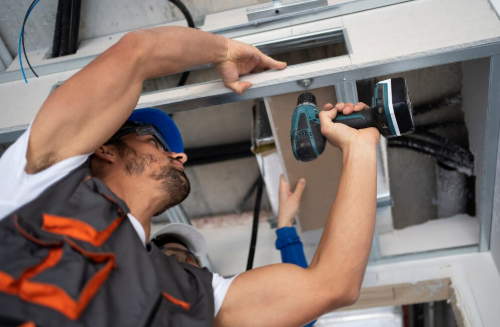
When You Should Call an HVAC Professional
Some clogs are deeper inside the system and require special tools.
Call a pro if:
Water is leaking heavily
The drain line clogs repeatedly
You smell mold inside the home
Your AC keeps turning off
You see water stains on ceilings or walls
You cannot locate the clog
A professional can use high-pressure air, specialized vacuums, or camera tools to clear the line.
Why It’s Important to Fix a Clogged AC Drain Line Quickly
Many homeowners don’t realize how much damage a small clog can cause.
If ignored, a clogged drain line can lead to:
Ceiling water damage
Mold growth in the AC system
Higher energy bills
A broken AC unit
Electrical issues
Full AC shutdown
Fixing a clog early can save hundreds—or even thousands—of dollars.
How to Prevent Future AC Drain Line Clogs
Good news: prevention is simple and takes only a few minutes each month.
✔ 1. Pour Vinegar Into the Drain Line Monthly
Use 1 cup of white vinegar to prevent algae.
✔ 2. Change Your AC Filters Regularly
A dirty filter sends dust into the system, which leads to clogs.
✔ 3. Keep the Area Around the AC Clean
Less dust = fewer drain problems.
✔ 4. Install a Float Switch
This device shuts the AC off before water overflows.
✔ 5. Schedule a Yearly AC Tune-Up
Technicians clean the drain line, drain pan, and coils.
Preventive care keeps your AC working smoothly all season long.
Frequently Asked Questions About AC Drain Line Clogs
How often should I clean my AC drain line?
Once a month during warm seasons.
Can I use bleach instead of vinegar?
Yes, but vinegar is safer for long-term use and doesn’t damage pipes.
Why does my AC produce water?
Cooling air removes humidity, which becomes water inside the system.
Is a clogged AC drain line an emergency?
It can be, especially if water begins leaking inside your home.
Final Thoughts: You Can Fix Most AC Drain Line Clogs Yourself
A clogged AC drain line is annoying, but it doesn’t have to be stressful. With simple steps like using a wet/dry vacuum or pouring vinegar into the line, most homeowners can solve the problem in minutes.
Remember:
Watch for early signs like slow drainage or musty smells
Clean the line monthly to prevent clogs
Call a professional if the problem keeps returning
Keeping your AC drain line clear helps your system run better and last longer.


Comments