
Why Your HVAC System Is Driving Up Energy Bills

Updated: Apr 11
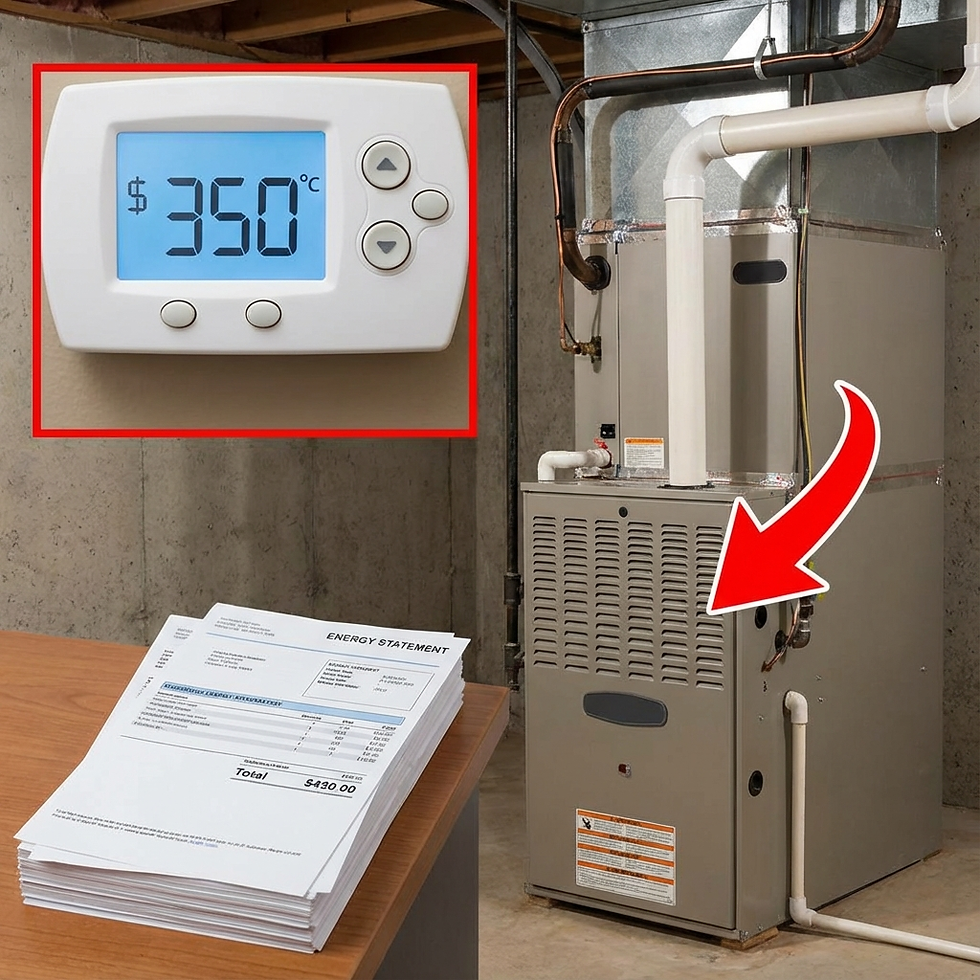
If your energy bills seem to rise every year—despite similar usage habits—you’re not alone. Many homeowners are surprised to learn that their HVAC system is often the biggest contributor to high utility costs. Heating and cooling account for a significant portion of household energy use, and even small inefficiencies can lead to noticeable increases in monthly bills.
Understanding why your HVAC system may be driving up energy costs is the first step toward improving efficiency, comfort, and long-term savings.
Aging HVAC Systems Lose Efficiency Over Time
One of the most common reasons for rising energy bills is an aging HVAC system. Furnaces and air conditioners typically last 10–15 years, but their efficiency declines gradually as components wear out. Older systems often require more energy to produce the same level of heating or cooling they once did.
In addition, many older units were built to outdated efficiency standards. Even if they are still functioning, they may be using significantly more energy than modern high-efficiency systems designed today.
Lack of Regular Maintenance

Routine HVAC maintenance plays a critical role in keeping energy costs under control. Systems that aren’t regularly serviced often struggle to operate efficiently due to dirty filters, worn components, or airflow restrictions.
When filters are clogged or coils are dirty, your system has to work harder to circulate air throughout the home. This increased workload leads to higher energy consumption and unnecessary strain on the system, often shortening its lifespan.
Professionally maintained systems run more smoothly, consume less energy, and are less likely to break down unexpectedly.
Poor Airflow and Ductwork Issues

Even a high-quality HVAC system can become inefficient if airflow is restricted. Blocked vents, improperly sized ductwork, or leaks in ducts can prevent conditioned air from reaching living spaces effectively.
Leaky ducts are especially problematic. When heated or cooled air escapes into attics, crawl spaces, or walls, your system must run longer to compensate—driving energy bills higher. Many homeowners don’t realize ductwork problems exist until an inspection reveals significant air loss.
Outdated or Inefficient Thermostats

Older thermostats can also contribute to rising energy costs. Manual or poorly calibrated thermostats may cause your HVAC system to cycle on and off unnecessarily or maintain temperatures that aren’t energy efficient.
Modern programmable and smart thermostats allow homeowners to better control heating and cooling schedules, reducing energy use when the home is unoccupied or during sleeping hours. Even small temperature adjustments can lead to meaningful savings over time.
Improper System Sizing
An HVAC system that is either too large or too small for your home can significantly impact energy efficiency. Oversized systems cycle on and off frequently, wasting energy and causing uneven temperatures. Undersized systems, on the other hand, run continuously in an effort to keep up—driving energy usage higher.
Proper sizing requires professional evaluation based on home size, insulation, layout, and usage patterns. Without this assessment, homeowners may unknowingly rely on systems that are inherently inefficient.
Insufficient Insulation and Home Sealing
Your HVAC system doesn’t operate in isolation. Poor insulation, drafty windows, or air leaks around doors allow conditioned air to escape, forcing your system to work overtime. Even the most efficient HVAC unit will struggle to maintain comfortable temperatures in a poorly sealed home.
Addressing insulation gaps and air leaks complements HVAC efficiency and can significantly reduce energy waste.
Rising Energy Costs Highlight the Need for Professional Evaluation
When energy bills climb unexpectedly, it’s often a sign that something within the HVAC system—or the home itself—isn’t functioning optimally. Professional inspections help identify inefficiencies, whether they stem from mechanical issues, airflow problems, or outdated equipment.
Experienced providers like Ravinia Plumbing, Sewer, Heating & Electric work with homeowners to diagnose the root causes of high energy bills and recommend practical solutions. From maintenance and repairs to system upgrades, professional guidance ensures improvements are both effective and cost-efficient.
When to Consider Repair vs. Replacement

Not every efficiency issue requires a full system replacement. In some cases, targeted repairs or maintenance can restore performance. However, if your HVAC system is nearing the end of its lifespan, frequently breaking down, or causing steadily increasing energy bills, replacement may be the more economical long-term option.
Modern HVAC systems offer higher efficiency ratings, improved comfort, and lower operating costs—making them a smart investment for many homeowners.
Conclusion
Rising energy bills are often a warning sign that your HVAC system is no longer operating efficiently. Aging equipment, lack of maintenance, airflow problems, and outdated controls all contribute to unnecessary energy use.
By addressing these issues proactively and working with trusted professionals like Ravinia Plumbing, Sewer, Heating & Electric, homeowners can reduce energy costs, improve comfort, and extend the life of their HVAC systems. Understanding how your system affects your energy usage empowers you to make smarter decisions—and keep utility bills under control year-round.


Comments