
Don't Get Lied To! How Long Your Home Features Should Actually Last


When you’re planning a home renovation or facing major repairs, it’s important to factor in how long your new improvement will last to help you assess its real value and budget accordingly. However, what the brochure or keen salesperson tells you isn’t necessarily the full story. Here are the real factors that determine longevity and how you can maximize it right from the planning stage.
The Lifespan Numbers Every Homeowner Should Know
Every home is different, but it helps to have a ballpark idea for how long major elements of the house should last. The International Association of Certified Home Inspectors notes that the real lifespan will vary depending on maintenance and weather conditions, but here is a rough guide.
Component | Typical Lifespan (Years) | ROI of Adding or Replacing |
Roof: Asphalt Shingle | 20 | |
Roof: Metal | 40 to 80 | 50% |
Roof: Slate | 60 to 150 | |
Windows: Vinyl | 20 to 40 | 76% |
Windows: Wood | 30+ | 70% |
Siding: Vinyl | 60 | 97% |
Siding: Fiber Cement | 100+ | 114% |
Kitchen Cabinets | 50 | 51% to 113% |
Fiberglass Bathtub and Shower | 20 | 80% |
HVAC System | 7 to 15 | 72% |
Flooring: Wood | 100+ | |
Flooring: Vinyl | 25 | |
Garage Door | 20 to 25 | 268% |
Brick/Concrete Patio | 15 to 25 | 46% |
The Real Lifespan of Your Home’s Exterior Shell
Advertised lifespan figures can be misleading because the critical failure points of these components are often part of a wider system.
Roofing
Different roofing materials have different longevity. When investing in a new roof, you will need to consider your home's aesthetics and balance the up-front costs with ROI.
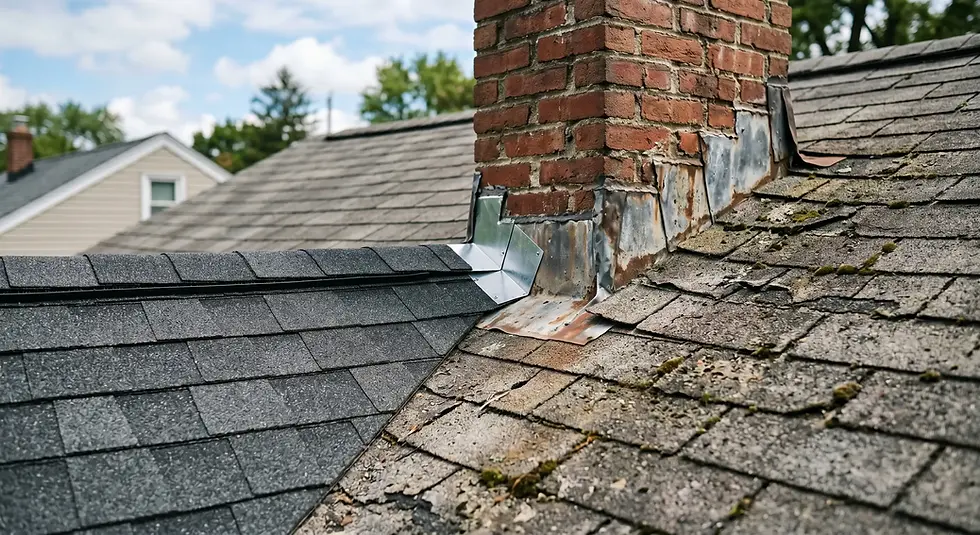
The critical failure point in a roof is often the metal flashing around chimneys, vents and skylights. If this degrades or comes loose, it creates a direct path for water ingress. The waterproof underlayment can also shrink or become brittle over time, so the damage you can’t see from the ground is often more important than what you do see. Regular professional roofing inspections are essential to protect this investment.
Windows
Replacing windows is another significant home renovation. However, when considering the ROI, bear in mind that 30% of your home’s heat is lost through windows. Upgrading to energy-efficient versions can save you money over time.

Lifespan figures here typically refer to the frame, which can last for decades. However, the critical failure point is the seal between the panes of glass. When it breaks, moisture gets in, causing fogging and the loss of insulating gas. This means a window can lose its energy efficiency, even if the frame is in perfect condition. Regularly check caulk and seals.
Garage Doors
A new garage door can last almost 30 years and often offers a high ROI because of its impact on the home’s curb appeal. However, the lifespan figure is usually for the door panels themselves.
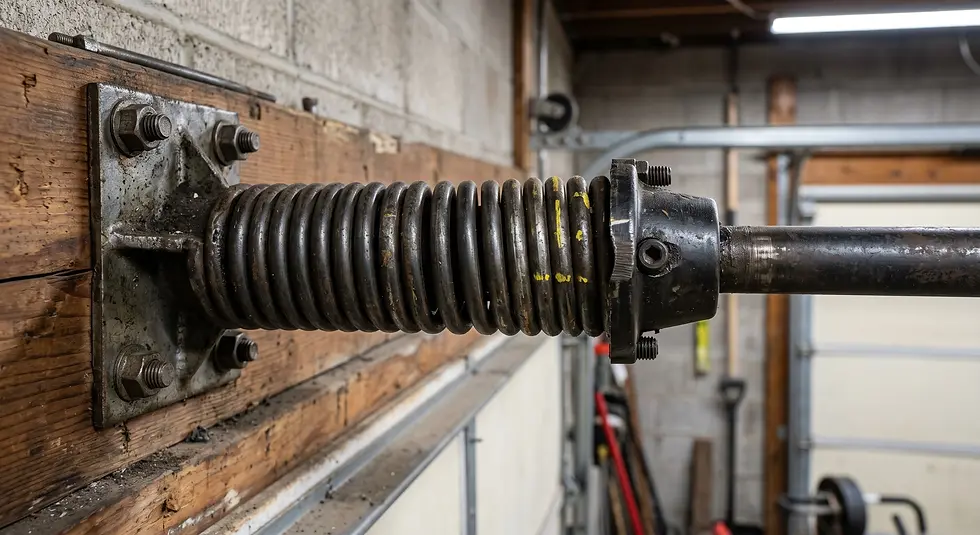
It doesn’t account for critical parts that may need repair or replacement much sooner. For example, torsion springs typically last 10,000 cycles, which means they need to be replaced approximately every 10 years in an average household.
The True Lifespan of Your Home’s Systems and Interior
It’s a similar story inside the home, with systems you rely on and with your interior finishes. The advertised longevity may not paint the full picture.
Kitchen Cabinets

The cabinetry itself may well last for 50 years, but in reality, you’re unlikely to spend half a century without wanting to update your kitchen. A homeowner’s desire for a fresh look tends to drive replacements here rather than material failure. So, when considering ROI, the lifespan figure is almost irrelevant. Refacing or painting cabinets is a high-ROI project in itself that addresses the aesthetic issue without needing a costly full replacement.
HVAC
A central HVAC system can last up to around 15 years, but only if it is properly maintained. Regular filter changes and annual professional servicing are essential for hitting that number.
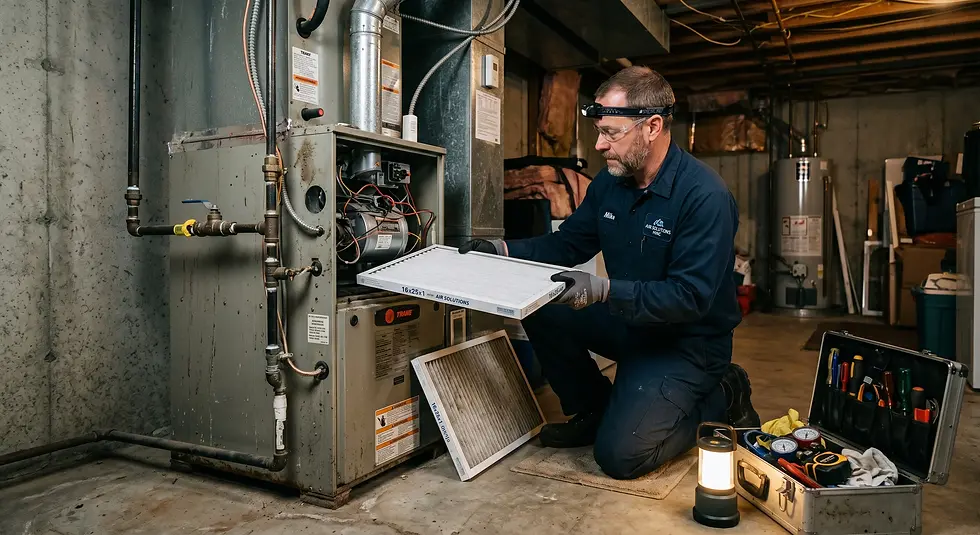
For an air conditioner, the compressor is the heart of the system and the most expensive component to replace. In a gas furnace, the heat exchanger separates the air you breathe from the toxic combustion gases. Damage is a serious carbon monoxide risk and almost always requires a full system replacement. Regular maintenance is required to prevent these costly and potentially dangerous failures.
How Can You Maximize the Lifespan of a New Home Feature?
While lifespan estimates are not always realistic, there are steps you can take to maximize the longevity of any new renovation, addition or replacement.
1. Prioritize Material Quality Over Aesthetics
Quality is the single biggest factor. For any given renovation, there is a regular option and a premium option. Premium materials may cost more up front, but they typically last longer.
Research the material itself, not just the brand. For flooring, look at the “wear layer” thickness on LVP. For paint, choose a high-quality line. For a deck, compare the warranty and composition of different composite decking materials. A slightly higher initial investment is often the best money you can spend for longevity.
2. Don’t Just Replace a Part — Improve the System
A renovation may fail because an adjacent, older component comprises the new one. Think of your home as a complete system. When replacing something, ask, “What does this connect to?” For example:
New roof: Improve the attic ventilation at the same time to avoid baking shingles from below.
New basement flooring: Address any moisture or humidity issues first because the new floor will otherwise fail.
New siding: Add a modern house wrap for better moisture control and insulation.
3. Insist on Proper Prep Work
A perfect product installed on a flawed surface will fail. This is where corner-cutting contractors cause long-term problems that may not become visible for years. Ask yours specifically about their preparation process:
Painting: Are they properly cleaning, sanding and priming the surfaces?
Tiling: Are they using a leveling compound on the subfloor and a waterproof membrane in wet areas?
Siding: Are they repairing any soft or rotted sheathing before covering it up?
Good prep work is tedious and invisible, but it’s the foundation of a long-lasting renovation.
4. Sweat the Small Stuff
Think fasteners, adhesives and sealants. The quality of the “stuff” that holds a project together is just as important as the main materials. Using cheap caulk, thin-set mortar or improper fasteners is a classic way to cause a premature project failure.
Specify high-quality ancillary materials in your contract. A tube of high-end caulk may cost only a few dollars more, but it can make all the difference.
5. Create a Maintenance and Cleaning Folder
Once the renovation is done, the maintenance falls to you. Every new product has specific care instructions that are crucial for warranty claims and longevity.
Create a binder or digital folder for your home. For every new item, file the care instructions and a list of approved cleaning products. Once done, you can give this folder to an AI assistant or tool and ask it to create a maintenance schedule for you, complete with reminders about what kinds of cleaning products to use for each item.
Your Home’s Future Is in Your Hands
Advertised lifespan numbers don’t tell the whole story because what matters is the quality of the installation, the follow-up maintenance and the health of the entire system. The difference between a renovation that fails prematurely and one that lasts often comes down to the details, including proper prep work and high-quality fasteners. By prioritizing materials and work and committing to a maintenance schedule, you ultimately determine the real lifespan and value of your investment.

All lifespan figures in this table are from this link.
The other ROI figures are also from this source, except where otherwise linked.
Both the midrange remodel figures in a range, as both could be said to include cabinets.
used the bathroom remodel midrange figure
The USA Today article this links to is dead.


Comments