
Earthy Interiors: Pairing Natural Colors With Wood Interior Doors for Timeless Home Design

There is a distinct feeling you get when you walk into a home that truly embraces nature. It isn’t just about placing a potted plant in the corner or painting a wall green. It is a deeper, more sensory experience. It is the grounding weight of a solid door swinging shut, the warmth of timber grain under your fingertips, and the way sunlight interacts with walls painted in shades of clay, sand, or forest moss.
In an era where technology dominates our lives and sleek, sterile minimalism often feels too cold, we are collectively craving a return to the organic. We want our homes to feel like sanctuaries—places that exhale. This is the essence of "earthy interiors."
At the heart of this design philosophy lies a power couple that has stood the test of time: the harmonious marriage of natural color palettes and high-quality wood. While floors and furniture play their part, your doors are the silent sentinels of your space. They define the transition between rooms and set the tone for the entire house.
The Philosophy of Earthy Interiors

Before we dive into technical specifications and wood grains, it is important to understand what we mean by "earthy." This design style is not a trend; it is a mindset. It draws inspiration from the raw materials of the planet—soil, rock, vegetation, and sky.
An earthy interior is texture-rich. It favors imperfection over high-gloss polish. It appreciates the knots in timber, the weave in linen, and the variation in stone. When we talk about pairing colors with wood, we are trying to mimic the balance found in nature. Think of how the dark bark of a tree contrasts with light green leaves, or how driftwood sits against beige sand. Nature never clashes, and by following its rules, your home won’t either.
The goal is to create a space that feels lived-in, warm, and inherently welcoming. It is a style that works as beautifully in a Mumbai apartment as it does in a London townhouse or a farmhouse in Texas.
Why Wood Interior Doors Are the Backbone of Design

When renovating or building, many homeowners treat doors as an afterthought. They are often seen as merely functional barriers—something to close for privacy. However, in an earthy interior scheme, wood interior doors are architectural features. They introduce a large vertical expanse of natural material that instantly warms up a room.
Unlike painted white doors, which can sometimes feel clinical or purely utilitarian, wood doors carry a history. The grain patterns tell a story of growth. When you stain a door to reveal its natural character rather than coating it in opaque paint, you are adding a piece of nature’s art to your walls.
Visual Weight and Grounding

In design terms, wood adds "visual weight." If you have a room with light, airy colors—soft creams, pale greys, or whites—a wood door provides a necessary anchor. It stops the room from feeling too floating or substantial. It draws the eye and creates a focal point.
Texture and Tactility

Earthy design is tactile. Wood interior doors offer a texture that synthetic materials simply cannot replicate. Whether it is the smooth, oily finish of Teak or the slightly rougher, rustic feel of an Oak door with a matte wax finish, the material invites touch. This tactile feedback contributes to the psychological feeling of comfort and safety in a home.
The Hierarchy of Timber: Choosing Solid Wood Interior Doors

If you are committed to the earthy aesthetic, the quality of materials matters immensely. This brings us to the debate of the century in interior design: solid wood versus the rest.
While hollow-core or honeycomb-filled doors serve a purpose (mostly budget-related), solid wood interior doors are the gold standard for earthy interiors. Here is why investing in solid timber pays off in the long run.
The "Thud" Factor

There is a distinct difference in sound and feel between a solid door and a hollow one. A solid wood door closes with a satisfying, heavy "thud." It feels substantial. In a busy household, this weight translates to better soundproofing. If you have children practicing music or a home office where you need focus, the density of solid wood is superior for acoustic dampening.
Longevity and Aging

Synthetic doors or veneers can peel or chip over time. Solid wood interior doors, however, age gracefully. If they get scratched, they can be sanded down and refinished. In fact, many designers argue that wood looks better as it ages, developing a patina that adds character. In the context of an earthy home, a few dings or scratches tell the story of a lived-in space.
Wood Species Selection

The type of wood you choose will dictate your color palette:
Teak: The king of Indian timber. It has a rich, golden-brown hue that darkens with age. It is incredibly durable and resistant to moisture, making it perfect for humid climates.
Oak: A global favorite. White Oak offers a cooler, neutral tone with a prominent grain, ideal for modern, Scandi-inspired earthy homes. Red Oak brings a warmer, traditional feel.
Walnut: For a darker, more dramatic look. Walnut pairs exceptionally well with lighter stone colors and adds a touch of luxury.
Pine: Lighter and knottier. It is softer but perfect for a rustic, cottage-core vibe.
Creating a Sanctuary with Bedroom Wood Doors

The bedroom is the most intimate space in the house. It is where you recharge. Consequently, the design choices here should prioritize calmness, privacy, and acoustic comfort. This is where bedroom wood doors truly shine.
The Psychology of Safety
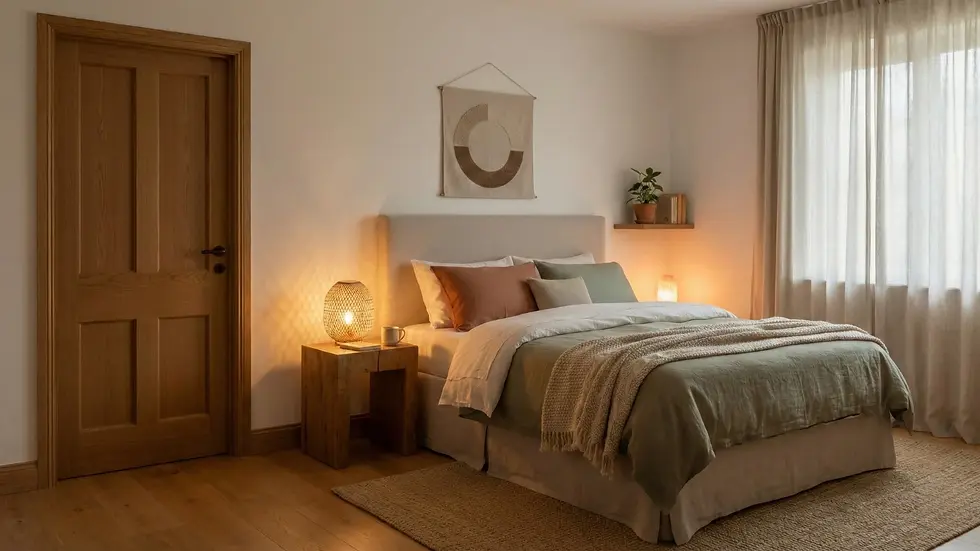
There is a primal psychological element to wood. It signals shelter. Installing sturdy bedroom wood doors enhances the feeling of security. Unlike glass or thin synthetic materials, wood feels impenetrable and safe, which aids in relaxation and sleep.
Design Continuity
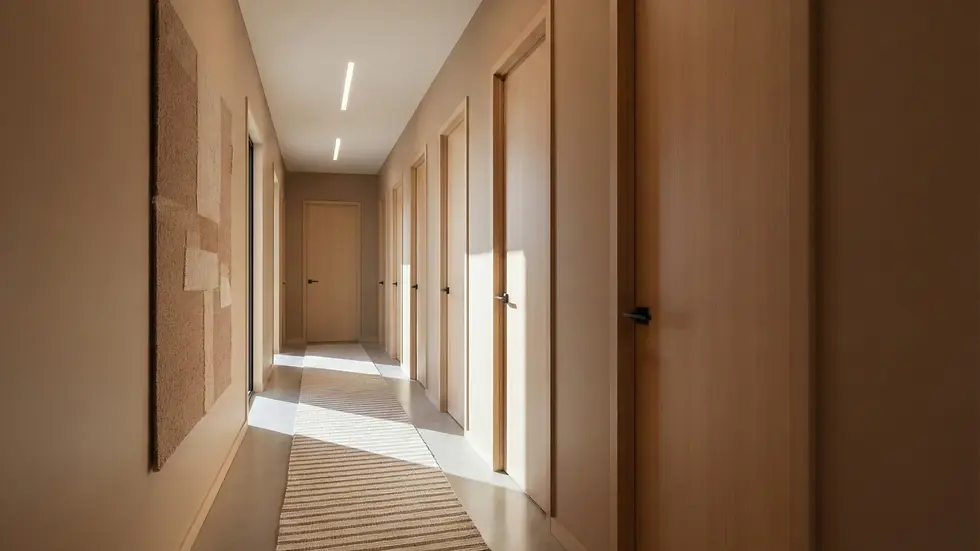
In many modern apartments, bedrooms branch off a central corridor. Having a row of matching wood doors creates a stunning rhythm in the hallway. Inside the bedroom, the door acts as a backdrop.
Imagine a room with sage green walls, crisp white linen bedding, and a rich, honey-toned wood door. The wood warms the green, preventing the room from feeling too cool, while the green highlights the red/orange undertones in the timber.
Privacy and Acoustics

We touched on soundproofing earlier, but it is most critical in the bedroom. Bedroom wood doors made of solid timber (or high-quality solid core construction) effectively block out living room noise, kitchen clatter, and hallway footsteps. For the ultimate earthy sanctuary, ensure your door frame is also fitted with good seals to prevent light and sound leakage.
The Art of The Palette: Pairing Colors with Wood

Now that we have established the importance of the door itself, let’s discuss the color on the walls. The secret to earthy interiors is choosing colors that are "muddy." You want shades that look like they have been mixed with a little bit of grey or brown, rather than bright, primary colors.
Here are the best color families to pair with wood interior doors:
1. The Greens (Forest, Sage, Olive)

Green and brown is nature’s most common combination.
Light/Blonde Woods (Ash, Maple, White Oak): Pair with deep, moody greens like Forest Green or Emerald. The contrast is striking and modern.
Medium/Red Woods (Cherry, Mahogany): Pair with softer, muted greens like Sage or Eucalyptus. The green neutralizes the redness in the wood, creating a balanced look.
Dark Woods (Walnut, Dark Stained Teak): Pair with Olive or Moss green. This creates a moody, "library" aesthetic that is very cozy.
2. The Warm Neutrals (Terracotta, Clay, Beige)

This creates a monochrome, desert-inspired vibe.
Warm Woods: If your door is Teak or Honey Oak, painting walls in warm beige, cream, or a soft terracotta creates a seamless, enveloping feel. It is low-contrast and very calming.
Design Tip: To avoid it looking boring, rely on texture. Use lime wash paint or textured wallpaper in these neutral shades to add depth against the smooth wood door.
3. The Cool Contrast (Slate Blue, Charcoal, Greige)

Sometimes, you want the wood to pop.
Yellow-tone Woods: If you have pine or yellow-toned oak, a cool slate blue or a warm grey (greige) works beautifully. The cool wall color tones down the yellow in the wood, making it look more sophisticated and less "sauna-like."
Dark Woods: Charcoal walls with dark walnut doors is a bold, masculine choice that feels incredibly high-end and cocooning.
4. The Whites

Not all whites are created equal. In an earthy interior, avoid "brilliant white" which has blue undertones. Instead, opt for:
Creamy Whites: For traditional, warm woods.
Off-Whites/Stone: For cooler, raw woods.
The contrast of a clean off-white wall against a grain-rich solid wood interior door is a classic that never goes out of style.
Trending Interior Wood Designs for Modern Homes
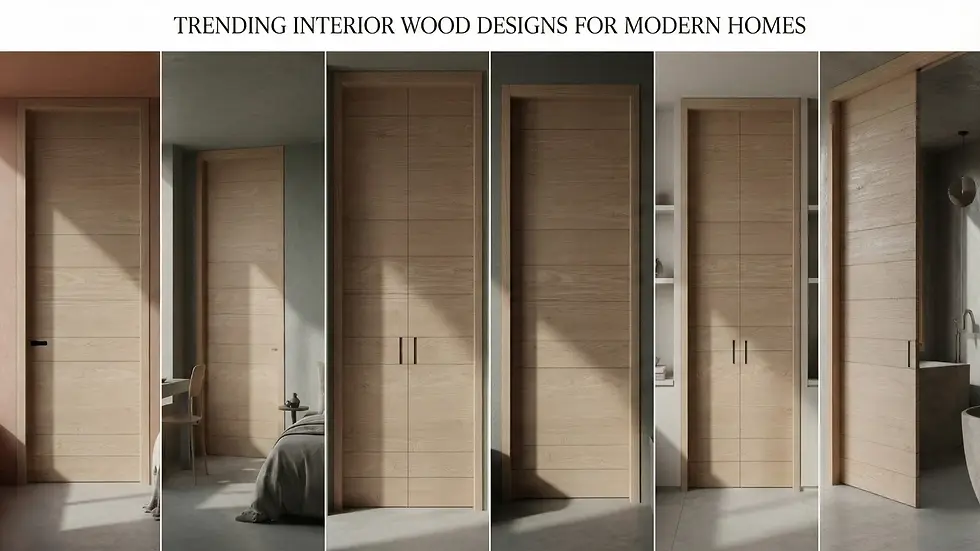
While the material is ancient, the application can be modern. Interior wood designs have evolved beyond the standard six-panel door. Here is what is trending in the world of earthy interiors:
1. The Horizontal Grain (Flush Doors)

Modern earthy interiors often feature flush doors (flat surface) where the wood veneer runs horizontally rather than vertically. This subtly widens the perceived space of the room and feels contemporary and Zen-like. It showcases the grain pattern as a continuous piece of art.
2. The Plank/Cottage Style

Vertical planks groove into the door, mimicking the look of old barn doors or tongue-and-groove paneling. This fits perfectly in farmhouse or rustic-chic homes. It adds instant texture and pairs beautifully with iron hardware.
3. Glass and Wood Hybrids

For spaces that need light (like a kitchen or a study), interior wood designs often incorporate glass. A timber frame with fluted or reed glass is currently very popular. The wood provides the earthy warmth, while the textured glass maintains privacy and diffuses light softly.
4. Carved and Geometric details

In the Indian context, intricate carving is traditional. However, modern interior wood designs are interpreting this differently. Think shallow, geometric grooves routed into the surface of a solid wood door. It adds shadow and depth without the heavy ornamentation of the past.
5. The Raw/Matte Finish

Gone are the days of high-gloss, plastic-looking varnish. The trend now is matte sealers, oils, and waxes that protect the wood while leaving it looking and feeling raw. The goal is to make the door look as close to the original tree as possible.
Hardware: The Jewelry of the Door
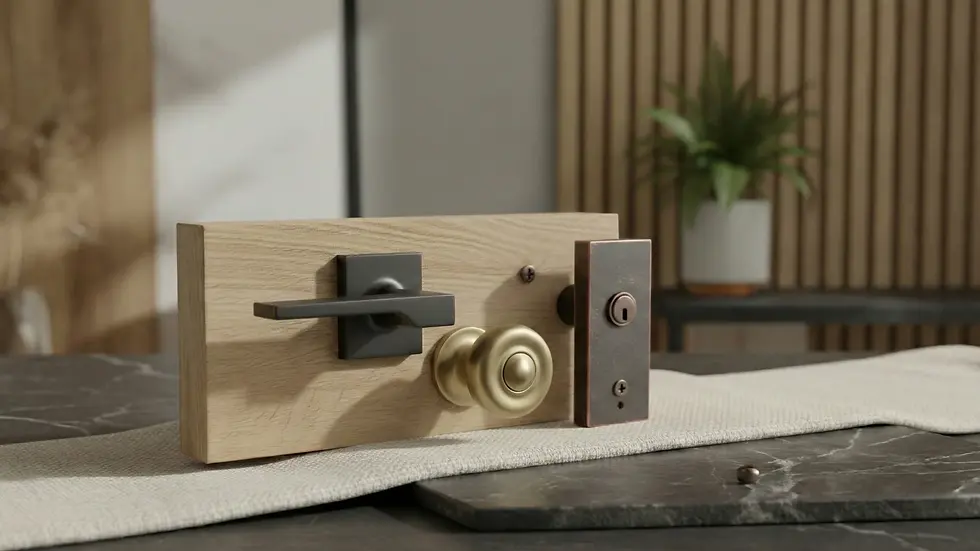
You cannot discuss wood interior doors without mentioning hardware. In an earthy interior, the handle sets the mood.
Matte Black: The universal contrast. It looks modern, industrial, and sharp against any wood tone.
Antique Brass/Gold: Adds warmth. It looks stunning against dark woods like Walnut or stained Oak. It brings a touch of vintage nostalgia.
Bronze/Oil Rubbed Bronze: The "living" finish. These change color over time where you touch them, which fits perfectly with the wabi-sabi philosophy of earthy interiors.
Avoid shiny chrome or polished stainless steel if possible; they often feel too "cold" for a warm, earthy palette.
Common Mistakes to Avoid

Even with the best intentions, things can go wrong. Here are a few pitfalls to avoid when planning your interior wood designs:
1. The Matchy-Matchy Trap
One of the biggest mistakes homeowners make is trying to match the floor color exactly to the door color. Unless you are using the exact same batch of timber, this usually results in a "near miss" that looks clashing.
The Fix: Go for contrast. If your floors are light oak, go for a darker walnut door, or vice versa. Or, use rugs to break up the visual transition.
2. Ignoring Undertones
Wood has undertones—red, yellow, or grey.
The Mistake: Pairing a red-toned Cherry wood door with a yellow-toned beige wall. It will look sickly.
The Fix: Identify the undertone of your solid wood interior doors. If the wood is warm (red/orange), pair it with warm neutrals or cool complementary colors (greens/blues). Do not mix warm wood with cool, pink-undertone beiges.
3. Neglecting Lighting
Wood absorbs light; it doesn't reflect it like a white surface does.
The Mistake: Installing dark wood doors in a narrow, windowless hallway without adequate lighting, making the space feel like a cave.
The Fix: If you choose dark bedroom wood doors or hallway doors, ensure you have warm, layered lighting (sconces or downlights) to highlight the grain and keep the space welcoming.
Maintenance: Keeping the Earthy Vibe Alive

The beauty of wood interior doors lies in their longevity, but they are organic materials that react to their environment.
Humidity Control: Wood expands and contracts with moisture. In climates with high humidity variations (like parts of India or the US Midwest), ensure your doors are sealed properly on all six sides (including the top and bottom edges) to prevent warping.
Cleaning: Avoid harsh chemicals. A damp microfiber cloth is usually enough. If the wood looks dry, use a specialized wood cleaner or a mixture of water and mild soap.
Polishing: Depending on the finish (PU, melamine, or wax), you may need to re-polish every few years. Wax finishes need more regular topping up but are easier to spot-repair than hard lacquers.
Conclusion
Creating an earthy interior is about more than just aesthetics; it is about feelings. It is about creating a home that feels grounded, permanent, and connected to the natural world.
By thoughtfully pairing natural color palettes with high-quality wood interior doors, you build a foundation for your home that transcends trends. Whether you choose the deep luxury of walnut, the golden warmth of teak, or the rustic charm of pine, you are inviting nature inside.
Remember, the goal is not perfection. The beauty of solid wood interior doors and interior wood designs lies in their variation and their authenticity. So, embrace the grain, choose colors that soothe the soul, and enjoy the timeless comfort of an earthy home.
Frequently Asked Questions (FAQs)
Q: Are solid wood interior doors worth the extra cost?
A: Absolutely. While the upfront investment is higher than hollow-core or MDF doors, solid wood interior doors offer superior soundproofing, insulation, and durability. They add value to the property and can last for generations if maintained.
Q: Can I mix different wood tones in my house?
A: Yes, mixing wood tones is a hallmark of sophisticated interior wood designs. The trick is to keep a common undertone (e.g., all warm woods) or ensure there is enough contrast between them so it looks intentional, not accidental.
Q: What is the best wood for bedroom doors in a humid climate?
A: Teak is widely considered the best option for humid environments due to its high natural oil content, which resists water and pests. Engineered wood with a high-quality veneer is also a stable option as it resists warping better than some solid softwoods.
Q: Should door frames match the door or the trim?
A: In earthy interiors, it is common to match the frame to the door to create a substantial, framed look. However, painting the frame white (to match baseboards) while keeping the door natural wood is a classic "framed art" look that also works well.
Q: How do I modernize an old wood door without painting it?
A: Change the hardware. Swapping out old, tarnished round knobs for sleek, matte black levers can instantly update the look of bedroom wood doors. You can also sand the door down and apply a matte, clear sealer to remove any old, orange-tinted varnish.


Comments