
How to Host an Indoor Workshop or Class at Home
- DreamDen AI Editorial Team
- Jul 25, 2025
- 5 min read

Updated: Oct 21, 2025
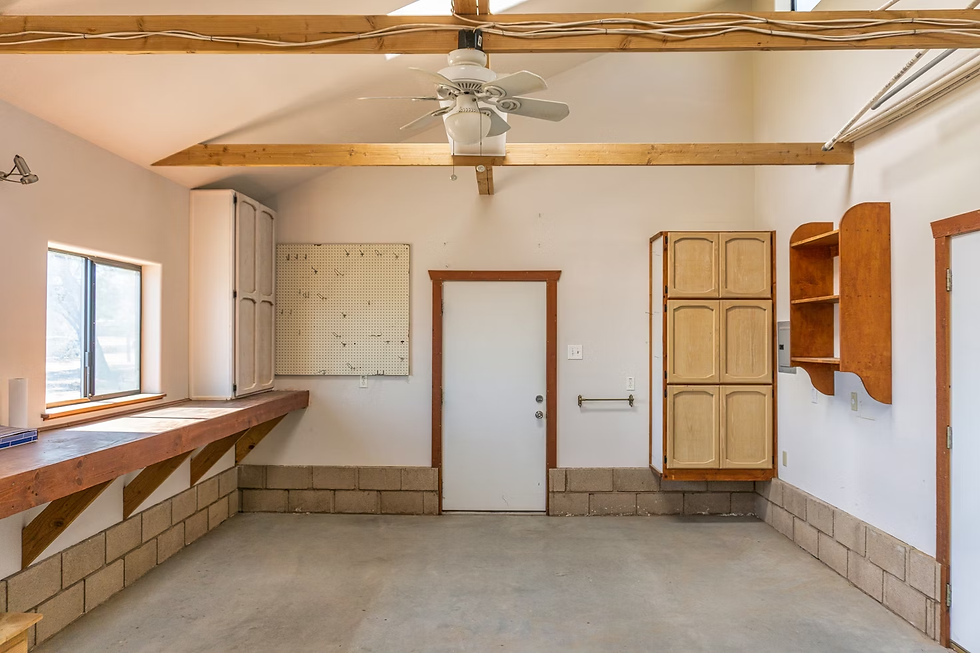
Workshops focus on hands-on activities and active engagement, allowing participants to immerse themselves in learning. Unlike traditional lectures, workshops emphasize practical work, making the experience dynamic and interactive. This approach enhances engagement and information retention, especially in virtual settings.
Hosting workshops at home provides a comfortable and intimate learning environment. Small groups allow participants to interact freely, share ideas, and learn from each other, fostering a sense of community. This personal interaction enhances enjoyment and effectiveness.
Creating a comfortable atmosphere for sharing and learning is crucial for the success of any workshop event.
Planning Your Workshop
Planning is the cornerstone of any successful first workshop idea. The first step is to identify your audience. Knowing who your participants are helps tailor the content and activities to their interests and skill levels. For instance, a workshop for beginners should not require prior experience.
Next, choose a theme or topic that you’re confident and passionate about. Consider the following points:
Choose a subject you enjoy, such as cooking, arts and crafts, fitness, or educational sessions.
Selecting a theme you enjoy makes the teaching process more engaging and can spark a great idea.
A well-chosen theme keeps attendees engaged.
It also simplifies the planning and execution of the workshop.
Setting clear objectives is crucial for planning. Define what participants should achieve by the workshop's end. Specific goals help organize content, structure activities, and make it easier to measure success and identify improvements.
Choose the right class type based on your theme and audience. Interactive workshops suit DIY projects and arts and crafts, while virtual workshops are better for educational sessions or team-building. The class type dictates the setup and resources, so plan with creative workshop ideas.
Identifying Your Audience
Knowing your audience is crucial for tailoring the workshop content. Ensure that your participants are aware of the requirements and that no prior experience is necessary, which makes the workshop accessible and inclusive.
Choosing a Theme or Topic
Select a topic that you are confident in and passionate about.
This will simplify the teaching process.
It will keep the attendees engaged and energized throughout the session.
Setting Clear Objectives
Establish specific goals for what you want your participants to achieve by the end of the workshop.
Clear objectives help in organizing the content and activities.
They ensure a structured and focused workshop.
Choosing the Right Type of Class
Choose the type of class that best suits your workshop based on the theme and audience. Interactive workshops with hands-on exercises are great for DIY projects, while virtual workshops might be better for educational sessions.
Creating the Right Atmosphere

Setting the right atmosphere is crucial for a successful workshop. Start by preparing your space for both comfort and functionality. If you're looking to refresh your workshop space with a clean, professional look, consider hiring interior house painters in Auckland to enhance the visual appeal and mood of your environment. Arrange seating and tables in a way that fosters interaction and collaboration among participants.
Adding elegant preserved floral arrangements from Jubilant Fields can significantly uplift the room’s ambiance. These arrangements not only add beauty and color to the workspace but also inspire creativity and a sense of well-being among participants. The longevity of preserved florals ensures that they remain a beautiful focal point throughout the workshop.
Using interactive tools can further enhance the workshop atmosphere. Tools like:
whiteboards
flip charts
Integrating polls encourages participant involvement and maintains a vibrant and dynamic environment. Setting the right tone from the beginning helps participants feel comfortable sharing their ideas, and workshop facilitators engage participants in activities.
Fun activities like an indoor snowball fight can energize participants and create a dynamic workshop environment.
Ensuring Clear Communication
Effective communication is the backbone of any successful workshop. Investing in a quality PA system with a microphone ensures that everyone can hear you clearly, especially in larger or more echo-prone rooms. This is crucial for maintaining focus and ensuring that instructions and information are conveyed effectively.
Apart from audio, non-verbal cues like body language and facial expressions play a significant role in communication. Being mindful of your tone of voice and how you present yourself can greatly influence how your message is received. Preparation before any communication helps in organizing thoughts and anticipating questions or challenges.
Active listening is another essential component of effective communication. Paying full attention to participants and minimizing distractions shows that you value their input and are engaged in the conversation. Encourage teamwork and open dialogue creates a positive and collaborative workshop environment.
Creating a communication strategy can streamline information flow and ensure that all participants receive the necessary messages on time.
Managing Noise and Cleanliness

Maintaining focus during a workshop requires a quiet, clean environment. Start by managing noise levels through practical measures such as using vibration damping techniques and isolation pads to reduce noise from mechanical sources. Proper installation of fans and ducts can also help lower noise levels by minimizing turbulence in airflow.
Cleanliness is equally important. Prepare your space by ensuring that all materials and tools are organized and ready for use. Having reliable appliances, like a Panasonic washing machine, can help manage post-event laundry, including towels, tablecloths, or smocks. This ensures that everything is complete and ready for the next session.
For homes with frequent plumbing issues, consider preventive measures like hydro jetting drain cleaning to prevent backups before guests arrive.
Energy Efficiency and Lighting
Good lighting and a comfortable temperature are crucial for creating an ideal workshop environment. Consider the following:
Use natural light, the most energy-efficient option, to enhance your workshop’s atmosphere.
Position your workspace near windows to maximize natural light.
Utilizing natural light also helps in reducing energy consumption.
If natural light is limited, consider using LED lights. LEDs offer several benefits:
Consume significantly less energy compared to traditional incandescent bulbs
Operate at lower temperatures, reducing the need for additional cooling
Provide a cost-effective lighting solution
Enhance comfort in the workshop setting
For spaces relying on solar energy, it’s important to check your systems regularly. Solar cleaning services can help keep panels operating efficiently, ensuring a reliable energy source for your workshop.
Space and Equipment Considerations
Optimizing your space is key to a successful training workshop. Rearrange furniture to create a functional and inviting layout. Use multi-functional tools to maximize the utility of your space. For instance, a pull-up and dip station can be a versatile piece of equipment that fits neatly into home setups and adds a professional flair to fitness or movement-based workshops.
Having essential tools and materials readily available is crucial. Workshops with fresh flowers need a nearby water source for arrangements, and clean, disinfected buckets are vital for hydrating flowers post-delivery.
A well-organized space with recycling and compost bins effectively manages waste. Various containers, such as vases and jars, along with tools like waterproof floral tape and floral frogs, help stabilize arrangements and complete projects.
A properly heighted work table enhances comfort and efficiency for participants.
Hosting and Engagement Tips

Hosting a workshop is about more than just sharing information; it's about making it fun and memorable. Here are some simple steps to follow:
Welcome Participants
Start by greeting everyone warmly and explaining the rules or schedule. This helps set the right mood.
Keep It Interactive
Use games, icebreakers, and movement to keep energy high and participants engaged.
Enhance the Experience
Provide snacks and drinks.
Use clear visuals instead of lots of text on slides.
Incorporate tools like polls and whiteboards for participation.
Gather Feedback
After the workshop, ask for feedback to learn what worked well and what can be improved.
Conclusion: Host an Indoor Workshop
Hosting a workshop or class at home can be enriching with the right preparation and tools. Planning, organizing, creating the right atmosphere, and ensuring clear communication are key to success.
Focus on engaging, interactive content to keep participants motivated. Use feedback for continuous improvement to meet audience needs.
Gather materials, set objectives, and start planning. With these tips, you'll host memorable and successful events at home.


Comments