
What Is Feng Shui Interior Design?
- DreamDen AI Editorial Team
- Dec 20, 2025
- 7 min read

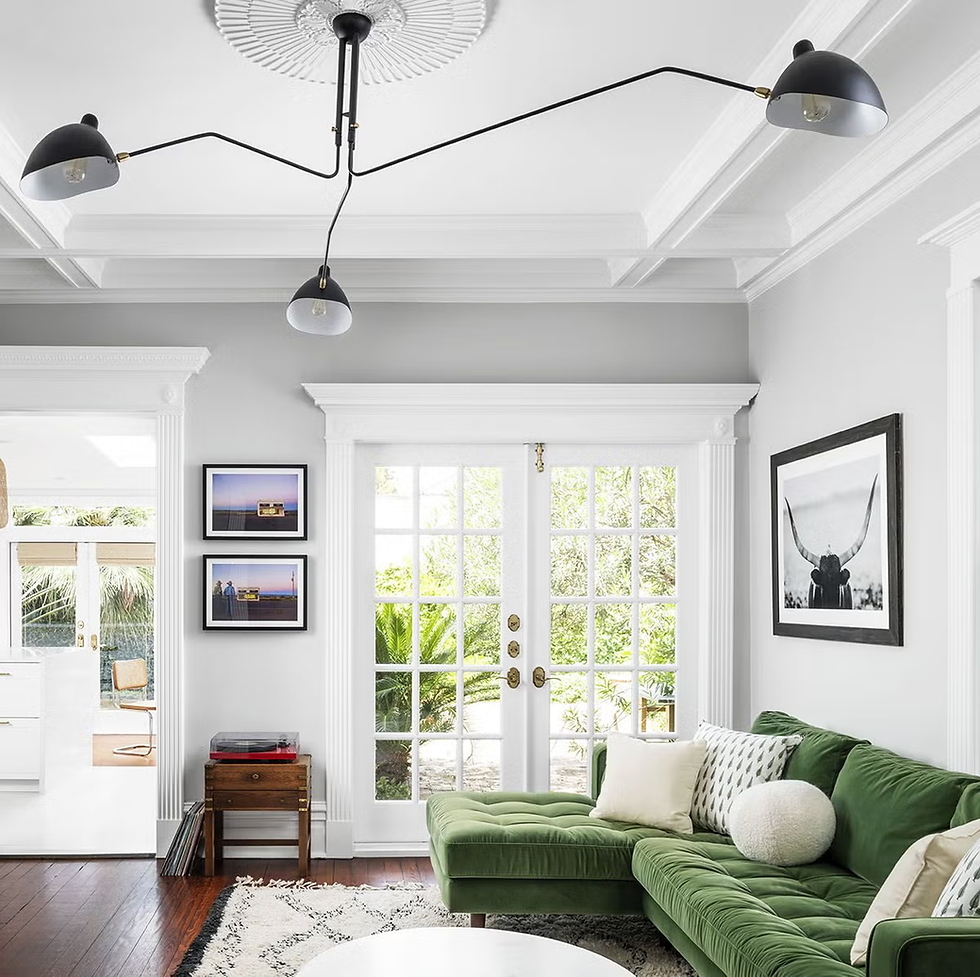
Have you ever walked into a room and immediately felt a sense of calm? Or perhaps you’ve entered a space that felt cluttered, stressful, and "off," even if it looked clean? This feeling is exactly what Feng Shui interior design is all about.
When people ask, "what is feng shui interior design?" they are often looking for a way to make their home feel as good as it looks. At its simplest, Feng Shui (pronounced fung shway) is the ancient Chinese art of arranging buildings, objects, and space in an environment to achieve harmony and balance.
While standard interior design focuses mostly on aesthetics—like which sofa looks best with which rug—Feng Shui interior design focuses on energy flow. It treats your home as a living organism. When the energy (called "Chi") flows correctly, the people living in the home feel more supported, energized, and peaceful.
Why It Matters in Modern Homes

In today’s fast-paced, digital world, our homes have become our offices, gyms, and sanctuaries. If your environment is chaotic, your mind will likely feel chaotic too. By using feng shui interior design ideas, you can create a space that actively helps reduce stress, improves your sleep, and even boosts your productivity.
In this blog, we will break down the ancient philosophy into simple, actionable steps. Whether you are moving into a new house or just want to refresh your current apartment, these principles will help you turn your living space into a powerhouse of positive energy.
2. Origins & Philosophy: The Roots of the Flow

To truly understand what is feng shui interior design, we have to look back over 3,000 years to ancient China. The words "Feng" and "Shui" literally translate to "Wind" and "Water." In Chinese culture, wind and water are associated with good health and harvest. Therefore, "good" Feng Shui meant good fortune, while "bad" Feng Shui meant hardship. The philosophy is based on several key theories:
Chi (Qi)
Chi is the "life force" or energy that inhabits all things. In interior design, Chi enters through your front door and flows through the rooms. The goal is to keep this energy moving gently—not too fast (like a draft) and not getting stuck (like a stagnant pool).
Yin and Yang
This is the concept of balance between opposites.
Yin is passive, soft, dark, and quiet (perfect for bedrooms).
Yang is active, bright, hard, and loud (perfect for kitchens and living rooms).
A home needs both to feel complete.
The Five Elements
Feng Shui believes the universe is made of five elements: Wood, Fire, Earth, Metal, and Water. Every room in your house should ideally have a balance of these elements to keep the energy stable.

3. Core Principles of Feng Shui Interior Design
Before moving furniture, you must understand the "laws" of the energy. Here are the feng shui principles that act as the foundation of the practice.
A. The Five Elements Explained

B. Yin and Yang Balance
Think of your home as a battery. It needs a positive and a negative pole to work.
If a living room has too much "Yang" (all hard surfaces, bright lights, loud colors), it will feel uncomfortable and harsh.
If a bedroom has too much "Yin" (too dark, too many soft pillows, no light), it will feel heavy and draining.
Feng shui interior design ideas always aim for a "Middle Way."
C. The Bagua Map 101

By finding where these areas sit in your house, you can use specific feng shui colors & elements to "cure" or boost that part of your life.
D. Clutter & Energy Flow
In Feng Shui, clutter is more than just a mess—it is "blocked energy." When you have piles of old mail, broken electronics, or clothes you don't wear, the Chi cannot move. This leads to a feeling of being "stuck" in life. Clearing clutter is the single most effective feng shui tip for home improvement you can do today.
4. Practical Feng Shui Tips for Every Room
Now, let’s look at a feng shui layout for the most important rooms in your house.
A. The Living Room: The Social Hub

The living room is where energy gathers before spreading to the rest of the house.
The Command Position: Your main sofa should have a clear view of the door, but it shouldn't be directly in line with it. Ideally, put your sofa against a solid wall to provide "support."
Avoid the "L" Shape: If you have an L-shaped sectional, ensure it doesn't create a "poison arrow" (a sharp corner) pointing at the center of the room.
Lighting: Use different levels of light. High lights for active Yang energy and low lamps for cozy Yin energy.
B. The Bedroom: The Sanctuary of Rest

This is the most important room for your health.
Bed Placement: This is the #1 feng shui bedroom rule. Place your bed so you can see the door from the pillow, but your feet shouldn't point directly out the door (this is called the "coffin position").
Symmetry: Use two nightstands and two lamps, even if you are single. This creates "space" for a partner and balances the energy.
No Electronics: TVs and phones bring "active" Yang energy, which disrupts sleep.
Mirror Placement: Never place a mirror directly opposite the bed. It is thought to "bounce" energy around while you are trying to rest.
C. The Kitchen: The Source of Wealth

In Feng Shui, the kitchen is directly tied to your health and your ability to attract money.
The Stove: Keep your stove impeccably clean. It represents your "fire" and wealth.
Sink vs. Stove: Avoid having the sink (Water) directly opposite the stove (Fire). They "clash," which can cause arguments in the home.
Fresh Produce: Keep a bowl of fresh fruit (especially oranges) on the counter to represent abundance.
D. The Bathroom: Managing the Drain

Bathrooms are where water—and therefore energy and wealth—leaves the house.
Close the Lid: Always keep the toilet lid down when not in use to prevent wealth from "flushing away."
Fix Leaks: A dripping faucet is a symbol of leaking money. Fix them immediately.
Add Earth: Because bathrooms have so much "Water," add "Earth" elements (like ceramic pots or tan towels) to ground the energy.
E. The Home Office: The Power Center
Solid Backing: Sit with a solid wall behind you. This gives you "backing" and support in your career.
Clear the Desk: Only keep what you are working on today on your desk. A cluttered desk equals a cluttered mind.
Plants: Put a "Money Plant" or a Jade plant in the corner to attract growth.
5. Feng Shui Colors & Materials
Colors are the fastest way to change the energy of a room. Here is a quick guide to feng shui colors:
Color | Element | Best Room | Energy Provided |
Blue/Black | Water | Office / Bathroom | Calm, Wisdom, Flow |
Green/Brown | Wood | Living Room / Kitchen | Growth, Health, Vitality |
Red/Orange | Fire | Dining Room | Passion, High Energy |
Yellow/Tan | Earth | Center of Home | Stability, Grounding |
White/Grey | Metal | Office / Hallways | Clarity, Precision |
Choosing Materials
Natural over Synthetic: Feng Shui prefers wood, stone, and cotton over plastic and polyester. Natural materials hold "living" energy.
Round vs. Sharp: Choose furniture with rounded corners. Sharp edges (called "Sha Chi" or poison arrows) create stress and "cut" the energy of the room.
6. Common Feng Shui Mistakes to Avoid

Even with the best intentions, many homeowners make these "energy-draining" mistakes:
Blocking the Front Door: Your "Mouth of Chi" must be clear. If your door hits a shoe rack or can't open fully, energy can't get in.
Mirrors Facing the Door: Placing a mirror directly opposite the front door bounces all the good energy right back outside.
Under-Bed Storage: Storing shoes or old luggage under your bed prevents energy from circulating while you sleep, leading to restless nights.
Keeping Dead Plants: A dead plant is "dead energy." If it’s brown, let it go.
Broken Items: Keeping broken clocks or cracked plates tells the universe you are okay with "broken" things in your life.
7. Expert Tips & Design Quotes
"Feng Shui is not about superstition; it is about the psychology of space. When your home is aligned, your mind can finally rest." — Generic Expert Quote
Interior Designer Tip: If you can't move your furniture into the "Command Position," use a small mirror. Place it so that while you are at your desk or stove, you can see the reflection of the door behind you. This "cures" the feeling of being vulnerable.
8. Frequently Asked Questions (FAQs)
1. Do I need to buy Chinese-style decor for Feng Shui?
No. Feng Shui is about placement and balance, not a specific style of furniture. You can have a "Scandinavian Feng Shui" home or a "Modern Industrial Feng Shui" home.
2. What is the most important Feng Shui rule?
De-cluttering. You can't fix the energy of a room if it is buried under a mess.
3. Is Feng Shui a religion?
No. It is a philosophy and an architectural practice based on observing how humans react to their environments.
4. How do I know if my Feng Shui is working?
You will feel it. You might notice you are sleeping better, having fewer arguments, or feeling more focused at work.
5. Can I use Feng Shui in a small studio apartment?
Yes! In small spaces, using "zoning" (like rugs or screens) to separate your sleeping area from your work area is key.
6. What are "Poison Arrows"?
These are sharp corners of furniture or walls that point directly at where you sit or sleep. They create "cutting" energy. Use a plant or a piece of fabric to soften them.
7. Why is the front door so important?
In Feng Shui, the front door is called the "Mouth of Chi." It is how all opportunities and energy enter your life.
8. Can I use fake plants?
High-quality silk plants are okay if you can't keep real ones alive, but avoid plastic ones. Real plants are always preferred because they breathe.
9. What color should my front door be?
It depends on which direction it faces. Generally, a black or dark blue door is great for career, while a red door is famous for inviting "fame and luck."
10. Is it bad to have a bathroom in the center of the house?
In traditional Feng Shui, yes, because the center is "Health" and the bathroom drains energy. To fix this, keep the door closed and place a mirror on the outside of the bathroom door.
Conclusion & Next Steps
Understanding what is feng shui interior design is the first step toward a more harmonious life. It reminds us that we are not separate from our environment—we are a part of it. When we take care of our homes, our homes take care of us.
Next Steps for You:
Clear one drawer today. Just one. Notice how it feels.
Close your bathroom doors. 3. Check your bed position. Can you see the door?
Feng Shui is a journey, not a destination. Start small, trust your intuition, and watch how the energy of your life begins to shift.


Comments