
Move First, Design Faster: How to Plan Your New Home Layout Before the Boxes Arrive

Updated: Jan 23
Moving doesn’t just change your address — it changes how you live day to day. The first week in a new home is where most people lose momentum: boxes everywhere, furniture in the wrong rooms, and constant little decisions that drain energy fast. The easiest way to avoid that chaos is to design your setup before you arrive. If you know where the essentials will go, you can unpack with purpose and make the home feel functional quickly.
A “design faster” move isn’t about fancy styling on day one. It’s about flow, storage, and habits. Where do shoes and bags land? Where does laundry pile up? Where do you charge devices, work, and cook without tripping over boxes? When you plan these zones early, you stop fighting the space. Better still, you often discover you don’t need to bring everything — which means fewer boxes, less cost, and less clutter to manage later.
DreamDen’s approach to smart living is simple: use planning and tools to reduce decision fatigue. A quick measurement sweep, a rough room map, and a short list of priorities can turn unpacking into a clear sequence rather than a messy free-for-all. This guide walks through a layout-first method you can do before moving day, so your new home starts working immediately — and the décor can come later, when you actually have the headspace to enjoy it.
The Layout-First Method: Measure Once, Map Zones, and Avoid the “Furniture Shuffle”
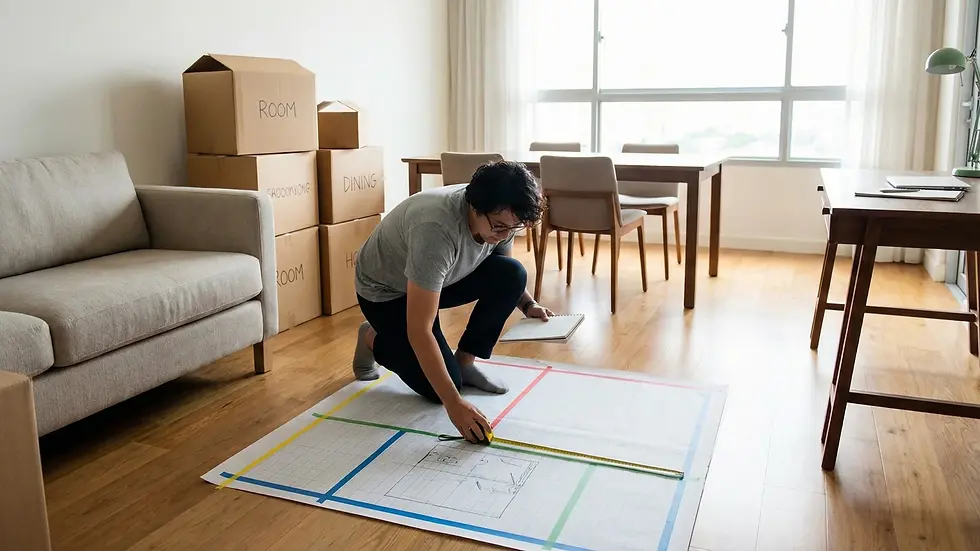
Start with measurements that prevent rework. Measure key wall lengths, doorways, hallways, and tight corners, then note window placements and power points. You don’t need a perfect architectural plan — just enough detail to know what furniture can realistically go where. Then measure your largest items: sofa, dining table, bed frames, desks, and tall storage. This avoids the worst early mistake: placing heavy pieces “for now” and then having to move them again once the room fills.
Next, map your home into zones based on how you actually live. Create a drop zone near the entry, a charging zone, a work zone, and clear pathways that stay open. In the kitchen, plan a prep zone and a coffee/toaster zone so the basics are usable immediately. For bedrooms, prioritise sleep-first: bed placement, bedside lighting, and a simple storage spot for essentials. When zones are decided, unloading becomes easy: boxes go straight to the right room, and setup happens in a logical order.
How an instant removalist quote Helps You Lock In Timing (So Your Setup Plan Actually Works)
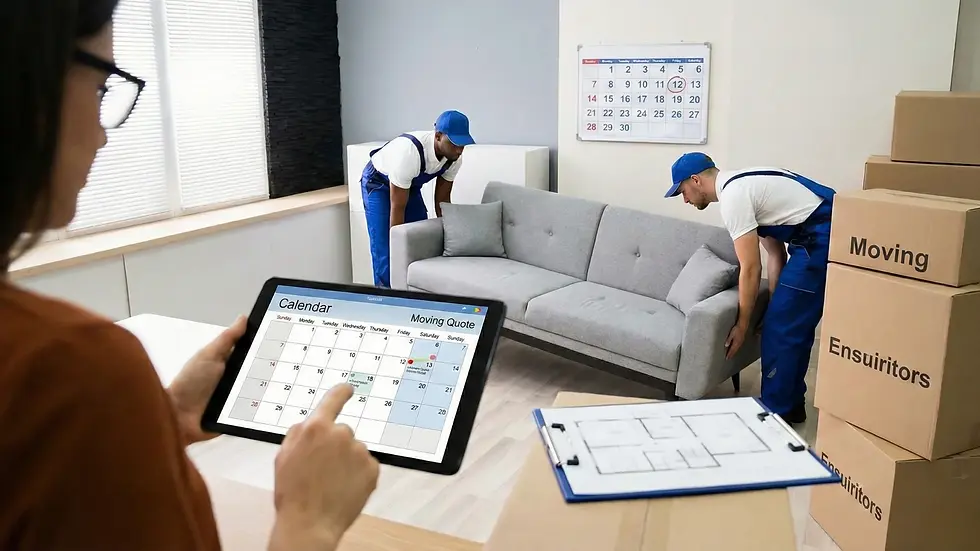
Getting an instant removalist quote can do more than confirm price — it helps you commit to a schedule early, which is what your layout plan depends on. When dates and time windows are locked in, you can plan the order of setup, organise access, and avoid the “we’ll see how we go” chaos that drags moves out. A fast quote also makes it easier to compare options quickly, so you don’t lose days waiting for replies while your moving deadline gets closer.
The key is to use the quote process to clarify scope, not just cost. Make sure the quote reflects what you’re actually moving: bulky furniture, fragile items, stairs, long carries, and any dismantling or reassembly. Ask whether travel time is included, how minimum hours work, and what triggers extra charges. The more accurate the quote is upfront, the more predictable moving day becomes — and predictability is what lets you unpack into zones instead of piles.
Once timing is set, your “design faster” plan becomes executable. You can prepare anchor rooms first, label boxes by room and priority, and instruct where essentials should land (bedroom, kitchen, workspace). You can also schedule practical tasks around the move: internet connection, cleaning, key handover, and lift bookings if you’re in an apartment. In short, the quote isn’t just a number — it’s the start of a controlled timeline that protects your setup sequence.
The First 48 Hours: Set Up Anchor Rooms Before You Touch the Décor Boxes
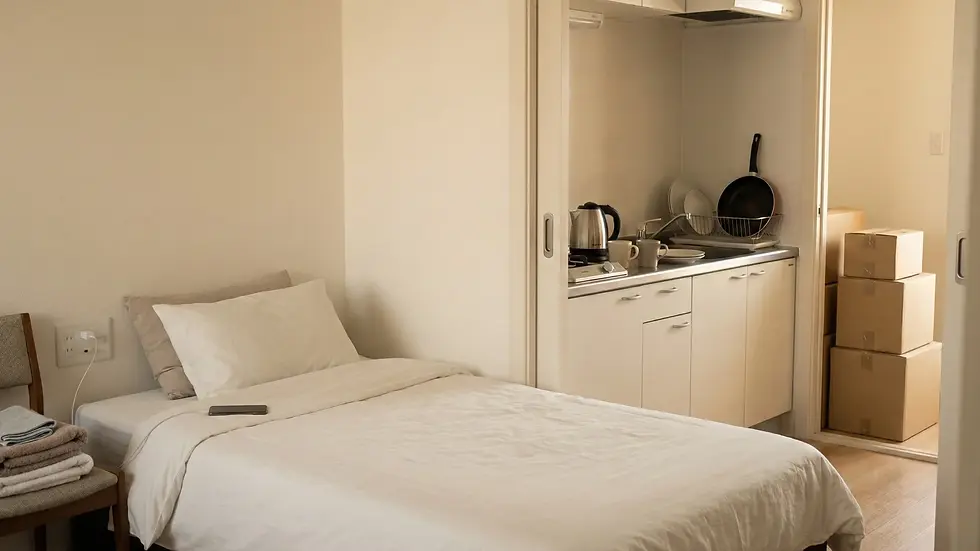
The fastest way to feel settled is to build stability first. In the first 48 hours, focus on “anchor rooms” that make the home livable: bedroom, bathroom, kitchen basics, and your workspace if you need it. Set up the bed, bedding, towels, chargers, and a small essentials kit. In the kitchen, unpack only what you need to function — kettle, mugs, a few utensils, one pan, plates, bin bags. You’re creating calm, not a perfect kitchen.
Next, control clutter by controlling flow. As boxes come in, send them directly to their rooms, not the hallway. Keep one clear walkway through the home and resist the urge to open everything at once. A simple rule works: open one box, finish it, put things away, then move to the next. If you’re using zone planning, place items into their zones immediately — entry drop zone, charging zone, pantry zone — so the house starts working as you unpack.
Finally, postpone décor until function is locked. It’s tempting to start styling early, but décor decisions are harder when you’re tired and surrounded by mess. Leave art, decorative storage, and “nice-to-have” items boxed until the essentials are done and the rooms feel clear. If something doesn’t have a home, don’t force it — that’s how clutter starts. Give yourself a “later” box for undecided items. Within two days, you’ll have a functional home and a clearer head to style it properly.
Smart Home Admin: Where ai automation services australia Fit in a Move-In Plan

A move creates a surprising amount of admin: utilities, internet, address updates, deliveries, appointments, and follow-ups with building managers or agents. That’s where ai automation services australia can be useful in a practical, non-gimmicky way — by reducing repetitive tasks and making the process more predictable. Think automated reminders for change-of-address steps, simple workflows that track what’s booked and what’s pending, and templates that keep important info (dates, contacts, access notes) consistent across messages.
The best automations focus on timing and accuracy. For example, a system that prompts you to confirm meter reads, schedules utility transfers with buffer days, or sends you a checklist 72 hours before moving day. Even basic automation helps if it prevents missed steps like lift bookings, parking permissions, or key collection windows. The goal is to keep momentum: when tasks are captured and nudged at the right time, you make fewer last-minute decisions — and that protects your layout-first plan.
Used well, automation supports how you want the home to function. Once you’re in, you can carry the same mindset into smart living: recurring reminders for filter changes, home maintenance, or pantry restocks; simple routines that keep clutter from building up; and systems that make the space easier to maintain. You don’t need a high-tech setup — just small, reliable processes that stop the house from drifting into chaos. That’s how you move in, set up quickly, and keep it feeling calm.
Conclusion
Designing before you unpack is the fastest way to make a new home feel settled. When you measure early, map zones, and prioritise anchor rooms, you remove the biggest source of moving stress: constant decisions. A simple plan turns unpacking into a sequence, not a scramble, and it stops you from doing the hardest work twice — dragging heavy furniture around after the room is already full of boxes.
The rest is about protecting your timeline. Clear quoting, accurate scope, and small automations that keep admin on track all help you stay in control. Once the essentials are set up, you can take your time with styling and upgrades, because the home already works day-to-day. That’s the real win: a move that feels organised, a layout that makes sense, and a space that starts calm — then gets beautiful.



Comments