
Scandinavian Simplicity: A Guide to Timeless Nordic Design

Updated: Mar 1

Scandinavian design has been a global favorite for years, but in 2026 it feels more relevant than ever. As homes become offices, retreats, and gathering spaces all at once, Nordic interiors continue to offer something people genuinely need: calm, clarity, and comfort without excess.
The Foundation of Nordic Design

Scandinavian design originated in the Nordic countries, particularly Sweden, Denmark, Norway, and Finland. Long winters, limited daylight, and a strong connection to nature shaped interiors that prioritize light, warmth, and functionality.
In the early 20th century, influences from the Arts and Crafts movement and the Bauhaus helped formalize a design language centered on craftsmanship, accessibility, and practical beauty. Those principles continue to define the style today.
Simplicity Without Sterility

Minimalism remains central, but modern Scandinavian interiors feel warmer and more lived-in than the stark white spaces of the past.
Instead of cold, empty rooms, today’s Nordic homes embrace:
Soft neutrals like warm beige, muted gray, and earthy tones
Layered textures through textiles and natural materials
Carefully selected decor with emotional value
The goal is visual calm, not emptiness. Every piece has intention.
Function Always Comes First

Functionality is not optional in Scandinavian design. Every object must serve a purpose.
Common features include:
Extendable dining tables
Modular shelving systems
Sofa beds
Built-in storage
Multi-purpose furniture
In smaller urban homes especially, flexibility is key. Smart storage solutions keep spaces uncluttered while maintaining a clean aesthetic. Nothing feels excessive, yet everything feels usable.
A Deep Commitment to Sustainability

Sustainability is no longer just a trend. It is foundational to Nordic living.
Scandinavian interiors prioritize:
Solid wood over synthetic materials
Natural fibers like wool, linen, and cotton
Long-lasting craftsmanship
Repair and restoration instead of replacement
Vintage Scandinavian furniture is often integrated alongside modern pieces, reinforcing the idea that good design should endure.
Light as a Design Element
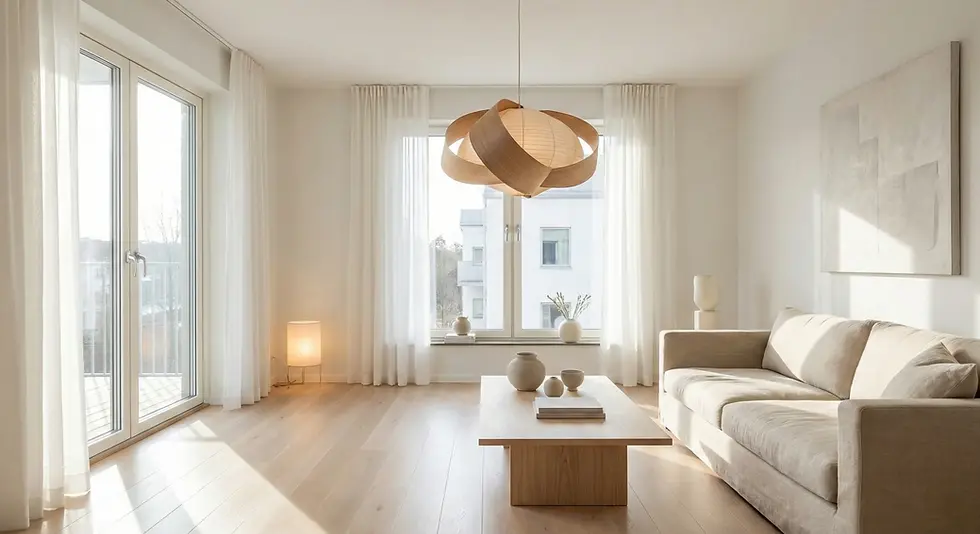
Light shapes every Scandinavian interior.
Because Nordic regions experience long, dark winters, homes are designed to maximize daylight:
Large, unobstructed windows
Reflective surfaces
Open layouts
Artificial lighting is layered thoughtfully. Ambient, task, and accent lighting work together to create balance. Fixtures remain simple and sculptural, complementing the overall design without overwhelming it.
Hygge and Emotional Comfort

The Danish concept of Hygge continues to influence Scandinavian interiors. Hygge emphasizes comfort, warmth, and togetherness.
This translates into:
Soft throws and textured cushions
Warm-toned lighting
Cozy reading corners
Intimate seating arrangements
It’s not about decoration for the sake of appearance. It’s about creating spaces where people genuinely feel at ease.
Natural Materials and Biophilic Influence

Nature is central to Scandinavian design.
Light woods like oak and birch are commonly used for floors and furniture. Stone, leather, and handmade ceramics add organic texture. Indoor plants soften clean lines and reinforce the connection to the outdoors.
Biophilic principles extend beyond plants. Natural light, airflow, and organic forms help interiors feel grounded and balanced.
Personalization Within a Minimal Framework

Scandinavian design leaves room for personality. The key is curation.
Instead of filling shelves with random objects, homeowners display:
Meaningful artwork
Books
Handmade crafts
Travel pieces
Family heirlooms
The result feels personal without becoming cluttered. Each item contributes to the story of the space.
Technology That Blends In
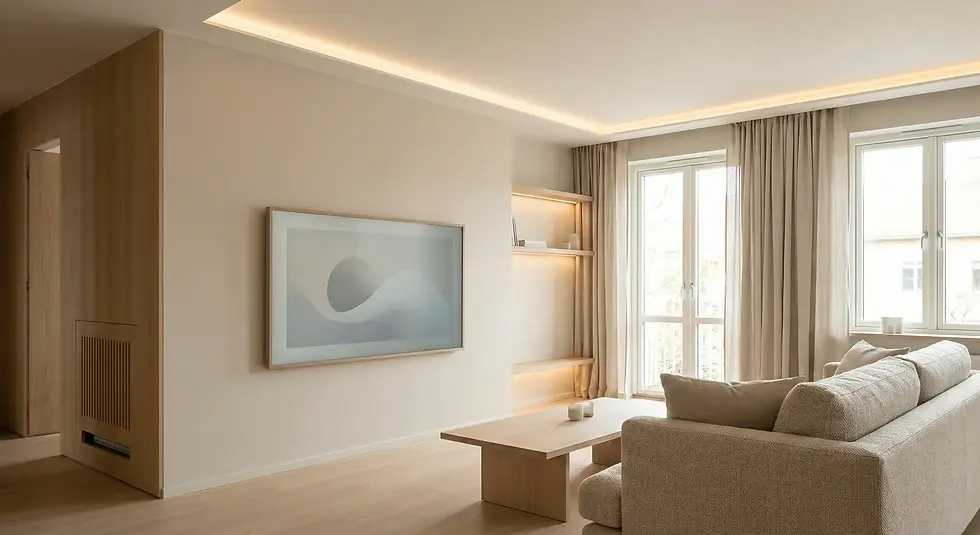
Modern Nordic homes incorporate smart technology, but it stays visually discreet. Heating systems, lighting, and air quality controls are integrated seamlessly.
Wires are hidden. Screens are minimal. Design remains the focus, while technology quietly enhances daily comfort.
The Contemporary Color Direction

Neutral palettes still dominate, but they have evolved to feel softer and more dimensional.
Expect to see:
Cream and warm white
Greige and taupe
Muted olive and dusty blue
Charcoal accents
Monochromatic layering adds depth without visual noise. Contrast is subtle, not dramatic.
Why Scandinavian Design Endures
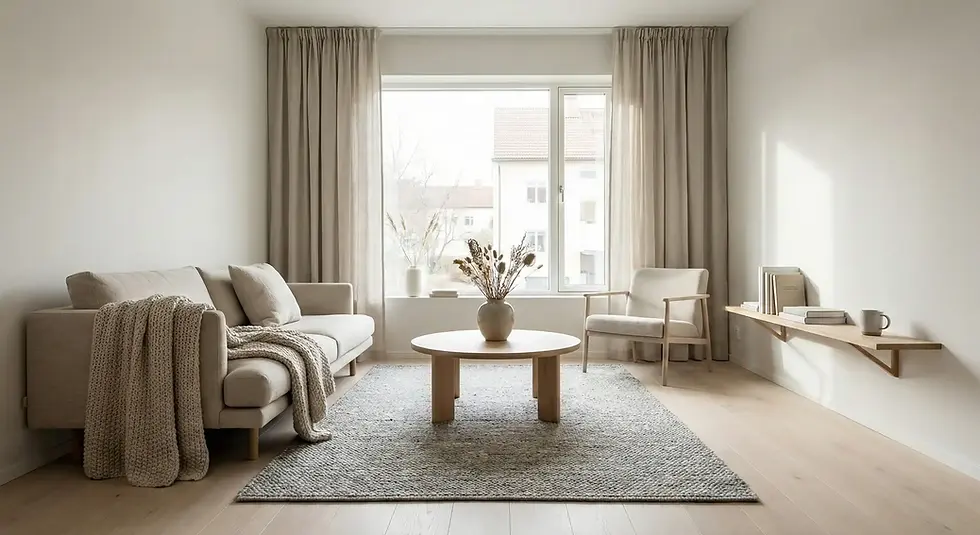
Scandinavian design continues to resonate because it aligns with modern lifestyles. People want homes that feel calm, adaptable, and intentional.
This design philosophy delivers:
Clarity without rigidity
Warmth without excess
Sustainability without compromise
Style that doesn’t rely on trends
Final Thoughts

Scandinavian design is more than a look. It is a way of shaping interiors around real life.
By combining simplicity, functionality, natural materials, and thoughtful details, Nordic design creates homes that feel timeless and deeply livable.
Whether you embrace it fully or introduce it gradually, Scandinavian simplicity remains one of the most reliable approaches to building a space that is both beautiful and practical.


Comments