
Slab Leaks: Detection, Causes, and Modern Solutions
- DreamDen AI Editorial Team
- Feb 9
- 6 min read

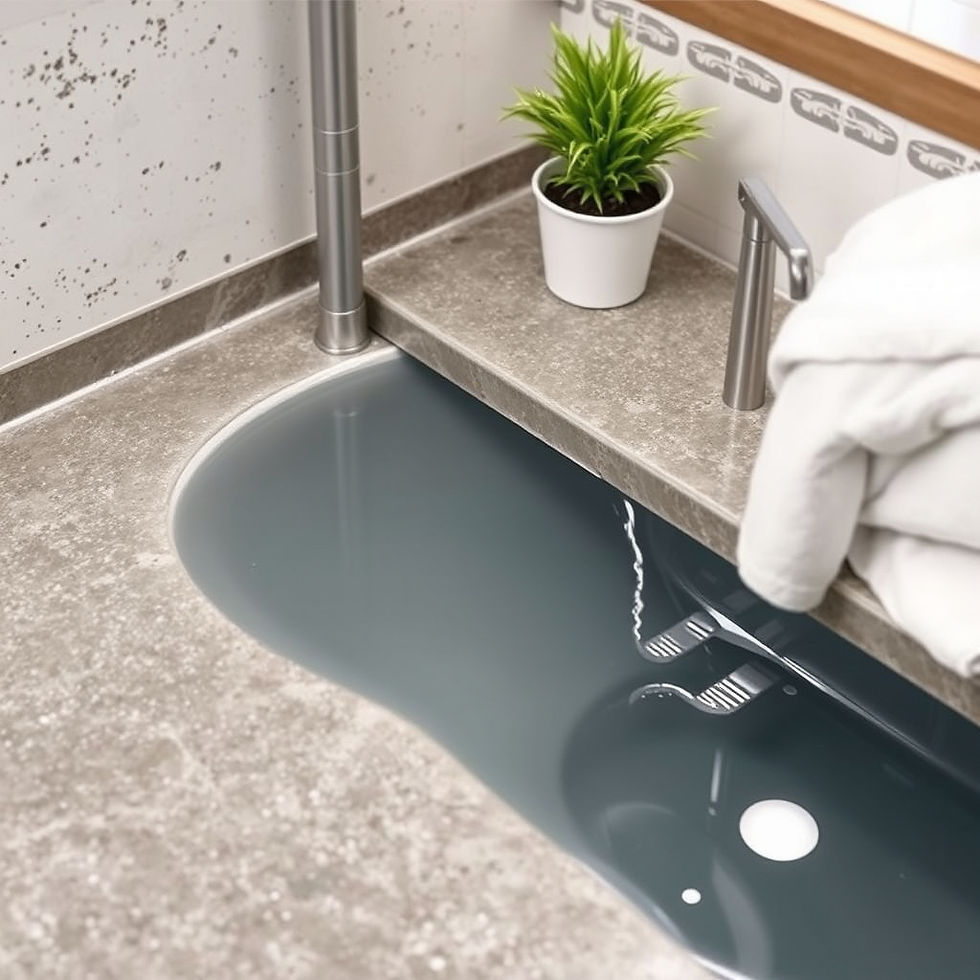
If your home is built on a concrete foundation (a slab), your water pipes likely run underneath that concrete. When one of those pipes breaks or develops a hole, it is called a slab leak. Because the leak is hidden under layers of stone and concrete, it can go unnoticed for a long time, causing silent damage to your home.
1. How to tell if you have a leak
Since you cannot see the pipes, you have to look for secondary clues. Common signs include:
A high water bill: Your bill goes up even though you aren't using more water.
Warm spots on the floor: If you feel a "hot spot" on your floor while walking barefoot, a hot water pipe may be leaking underneath.
The sound of water: You hear water running or hissing even when all faucets are turned off.
Wet flooring: Damp carpets, warped wood, or "puffy" linoleum are signs that water is seeping up through the concrete.
Foundation cracks: New cracks appearing in your walls, baseboards, or floor tiles.
2. Why do these leaks happen?
Most slab leaks happen because of one of these four reasons:
Soil Chemistry: Chemicals in the dirt can react with metal pipes, eating small holes into them over time.
Rubbing: As hot water moves through pipes, they expand and shrink. This causes them to rub against the rough concrete until a hole wears through.
Pressure: If the water pressure coming from the city is too high, it can stress the pipe joints until they snap.
Ground Shifting: If the earth underneath your house moves or settles, it can put enough pressure on the pipes to crack them.
3. How are they found?
Professional technicians use specialized tools to find the leak without breaking your floor first. They use:
Acoustic sensors: High-powered microphones that "listen" for the sound of escaping water.
Thermal cameras: Cameras that see heat, which helps them find hot water pooling under the floor.
Pressure tests: Checking the water pressure in different sections of the house to see which line is losing air or water.
4. How are they fixed?
There are three main ways to fix a slab leak:
Rerouting: This is often the best choice. The old, leaky pipe under the floor is turned off and left there. A brand-new pipe is run through the walls or the attic instead. This means you never have to worry about a leak in that spot again.
Spot Repair: A small hole is cut into the concrete floor exactly where the leak is. The pipe is fixed, and the hole is filled back in.
Capping/Relining: A special coating is pushed through the inside of the pipe to seal the leak from the inside out.
5. Why you shouldn't wait
A slab leak is a progressive problem. If left alone, the water will wash away the dirt under your house, which can cause the foundation to sink or tilt. It can also lead to black mold growth under your floorboards, which is a health risk. Fixing it early is always cheaper than waiting until the house starts to shift.
The Deep Mechanics: Why Pipes Fail Under Concrete

To understand a slab leak, one must first understand the environment beneath the house. Most foundations are constructed by pouring concrete over a layer of sand or soil. Before that pour, copper or plastic pipes are laid down. These pipes are then subjected to several forces over time:
1. Chemical Corrosion and Electrolysis
In many regions, the soil has a specific pH level or mineral content that reacts poorly with metal. Copper pipes, while durable, are susceptible to a process called electrolysis. Small electrical currents in the soil can cause a chemical reaction that eats away at the copper, eventually creating "pinhole leaks." These are tiny holes, often no larger than the tip of a needle, but under constant water pressure, they can release hundreds of gallons of water daily.
2. Thermal Expansion and Abrasion
Pipes that carry hot water are constantly changing. When you turn on a hot shower, the pipe expands as it heats up. When the water stops, it cools and shrinks. Because these pipes are often in direct contact with rough concrete or jagged rocks in the soil, this constant movement creates friction. Over several years, this "sawing" motion wears down the pipe wall until it thins out and bursts.
3. Physical Stress and Shifting
The earth is rarely perfectly still. Changes in moisture levels—such as heavy rain after a long drought—cause the soil to swell and then shrink. This movement can put thousands of pounds of pressure on a rigid plumbing joint. If the ground shifts even an inch, it can snap a buried pipe or pull a joint apart.
The Hidden Impact: What Happens If a Leak Is Ignored?

Many homeowners hesitate to investigate a suspected leak because they fear the repair cost. However, the cost of not fixing a slab leak is significantly higher.
Foundation Heaving and Subsidence
When water pools under a slab, it saturates the ground. In expansive clay soils, the dirt swells upward, a process known as "heaving." This can actually lift sections of your house, causing the foundation to crack. Conversely, if the water washes the soil away, it creates a void or a hole under the concrete. Without the soil to support it, the heavy concrete slab will eventually crack and sink into the hole, leading to massive structural failure.
Indoor Air Quality and Mold
Concrete is porous, meaning it can absorb liquid. As water pools under the slab, the moisture travels upward through the floor. This creates a damp environment under carpets, hardwood, or laminate flooring. Dark, damp, and warm spaces are the primary breeding grounds for black mold. Often, a homeowner will notice a persistent "musty" smell or an
increase in allergy symptoms before they ever see a drop of water.
Damage to Secondary Systems
Water following the path of least resistance often finds its way into electrical conduits or heating and cooling vents located in the floor. This can lead to electrical shorts or ruined ductwork, adding layers of expensive repairs to the initial plumbing issue.
Modern Detection: Finding the Problem Without the Mess
The greatest advancement in plumbing over the last two decades is the ability to find a leak without "guessing." In the past, plumbers had to break through concrete based on a hunch. Today, the process is scientific and non-destructive.
Acoustic Mapping: Using high-fidelity microphones, technicians listen for the specific frequency of pressurized water escaping a pipe. A leak produces a distinct "hiss" or "whoosh" that sounds different through concrete than it does through open air.
Thermal Imaging: Infrared cameras allow technicians to see heat signatures through the floor. If a hot water line is leaking, the camera will show a large "cloud" of heat under the floor tiles, pinpointing exactly where the water is pooling.
Tracer Gas: In difficult cases, the water is drained from the lines and a harmless mixture of helium and nitrogen is pumped in. Since these gas molecules are smaller than water, they escape the leak faster and rise through the concrete, where they are detected by "sniffer" machines at the surface.
Strategic Solutions: Choosing the Right Repair
Once the leak is found, the goal is to provide a permanent solution rather than a "band-aid" fix.
The "Reroute" Strategy
If a home has reached an age where the pipes are starting to fail, fixing one spot under the slab is often a temporary solution. Once one pinhole leak forms, others are likely to follow. A reroute involves shutting off the old line under the floor permanently. A new line is then installed through the attic or behind the walls. This moves the plumbing to a visible, accessible area and ensures that no future leaks will ever happen under that section of the foundation again.
Trenchless Pipe Lining
For leaks in sewer or drain lines, modern epoxy lining is a breakthrough. A flexible tube coated in resin is pulled through the existing pipe. Once in place, the tube is inflated and the resin hardens. This creates a brand-new, seamless pipe inside the old one. It requires zero digging and can last for over 50 years.
Direct Repair
In newer homes where a pipe was simply damaged during construction, a direct repair may be best. Technicians remove a small square of flooring and concrete, replace the damaged section of pipe with high-quality materials, and then restore the foundation.
Proactive Steps for Homeowners
While you cannot see under your house, you can be proactive in preventing slab leaks:
Monitor Your Water Meter: Once a year, turn off every faucet in the house and check your water meter. If the dial is still moving, you have a leak.
Check Your Water Pressure: High water pressure is a leading cause of pipe failure. A simple pressure gauge from a hardware store can tell you if your home’s pressure is above 65-70 PSI. If it is, a pressure-reducing valve should be installed.
Address Drainage Issues: Ensure that rain gutters discharge water at least 5 to 10 feet away from your foundation. Keeping the soil around your home at a consistent moisture level prevents the shifting that snaps pipes.
Conclusion
A slab leak is a serious issue, but with modern technology, it is a manageable one. By staying alert to the early warning signs—like mystery smells, warm spots, or rising bills—you can address the problem before it turns into a structural crisis. Knowledge is the best tool a homeowner has to keep their foundation dry and their home standing strong.



Comments