
Smart Roofing Fixes and Strategies for Vero Beach Homes

Updated: Dec 25, 2025

Living in Vero Beach means battling salt, sun, and storms daily. Your roof is your first line of defense. By upgrading to smart solutions like impact-resistant metal or tile and integrating IoT leak detection, you shift from reactive repairs to proactive protection. These strategies not only extend your roof's lifespan to 50+ years but also slash energy bills. Use AI tools to visualize these upgrades, ensuring your home stays resilient, efficient, and valuable against the Florida elements.
Traditional roofing approaches in Florida have historically been reactive, with homeowners waiting for a visible leak or storm damage before taking action. However, the rise of smart roofing fixes and strategies for Vero Beach homes is shifting the paradigm toward a proactive model that emphasizes durability, energy efficiency, and high-tech monitoring.
By integrating modern materials with intelligent technology, you can transform your roof from a passive shield into an active, energy-saving asset.
The Coastal Challenge: Why Vero Beach Requires Smarter Roofing
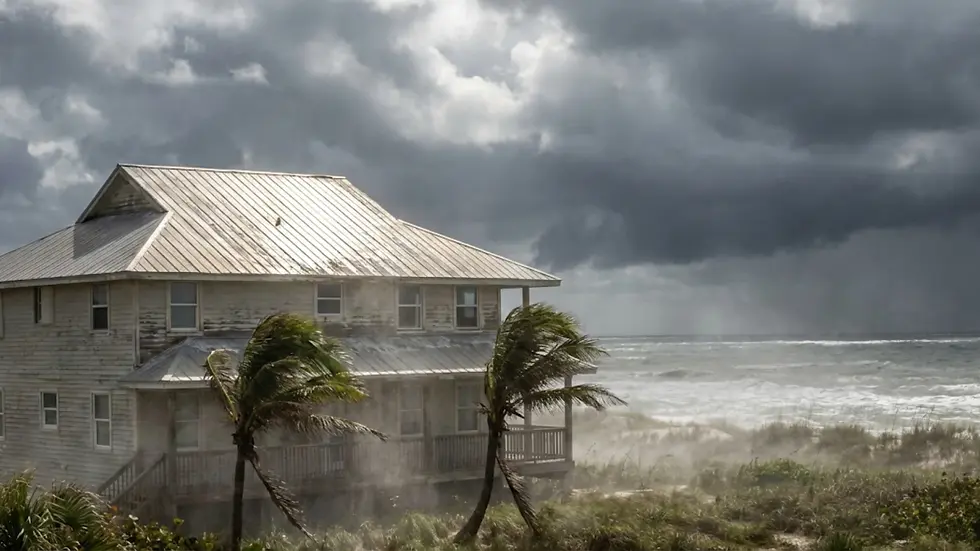
Living along Florida’s Treasure Coast means your home is constantly subjected to "barrier-island weather." This includes intense sunlight that can warp or crack traditional shingles, persistent humidity that fosters mold and rot, and sudden summer deluges that test even the best drainage systems.
The Salt Air Factor
Properties closer to the Atlantic face rapid degradation of inferior roofing systems due to high salt concentrations. Salt air is highly corrosive, making it essential to select materials specifically rated for coastal exposure, such as high-grade aluminum or specialized coatings on metal panels.
Hurricane Resilience
Vero Beach is situated in a hurricane-prone zone where wind-driven rain and high-velocity winds can easily strip away loose shingles or tiles. Smart roofing involves moving beyond the bare minimum of building codes and investing in features that make a roof hurricane-ready, such as reinforced attachment methods that can withstand tropical force winds.
Modern Materials: The Foundation of a Smart Roof

Choosing the right material is the most significant decision you will make for your roof’s longevity. In Vero Beach, the "smartest" choice is often one that balances initial cost with long-term performance and energy savings.
Metal Roofing: The Coastal Gold Standard
Metal roofing has evolved into a premier choice for Vero Beach homes due to its exceptional resistance to humidity, salt, and wind.
Durability: Modern metal systems are designed to last 40 to 70 years. If you are wondering how long a metal roof lasts compared to asphalt, the difference is significant, often outperforming traditional materials by decades.
Corrosion Resistance: For homes near the water, aluminum roofing is particularly effective because it is naturally resistant to rust and salt-related corrosion.
Wind Performance: Many metal systems are rated for hurricane-force winds and offer superior uplift resistance compared to individual shingles. For specific Florida climates, there are compelling reasons homes use metal roofing to combat severe weather.
Impact-Resistant Shingles
If you prefer the look of shingles, look for Class 4 impact-resistant products. These are engineered to withstand severe hail and flying debris, reducing the likelihood of punctures during a storm. Many modern shingles also feature advanced granules that resist algae growth—a common problem in Florida’s humid environment.
Clay and Concrete Tiles
Tile remains a staple of Florida architecture for good reason. Beyond their aesthetic appeal, tiles offer excellent thermal protection and longevity. When choosing the right roofing style, tile roofs installed with hurricane-rated adhesives provide a natural "cool roof" effect by allowing airflow beneath the tiles.
High-Tech Innovations: Smart Roofing Technology
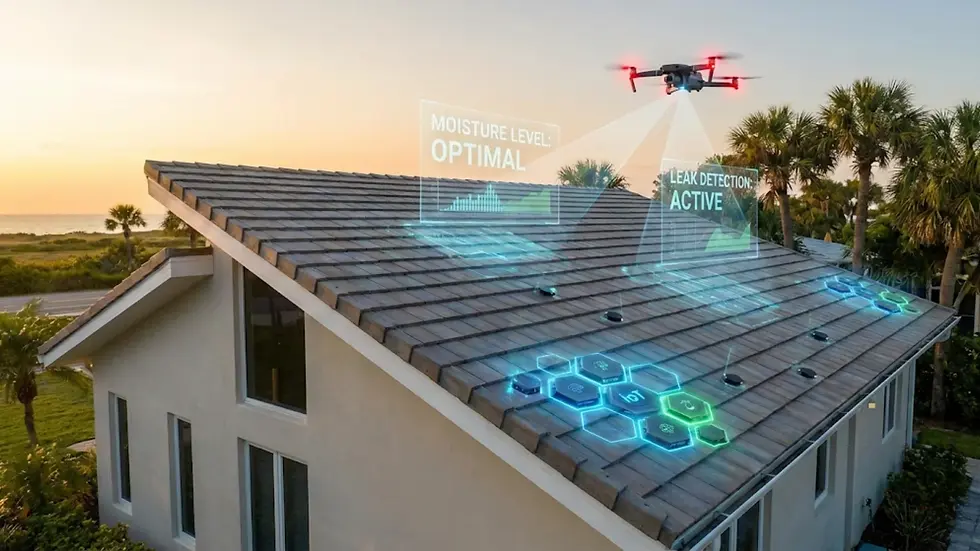
We are entering an era where your roof can "talk" to you. Integrating technology into your roofing system allows for early detection of problems that would otherwise go unnoticed until they cause structural damage.
AI Leak Detection and IoT Monitoring
Internet of Things (IoT) sensors can now be installed beneath your roofing materials or along critical junctions like chimneys and vents. This is how AI and roofing tech adapts to modern residential needs.
Moisture Sensors: These AI-powered devices detect humidity and moisture buildup before a leak ever reaches your ceiling.
Real-Time Alerts: If a sensor detects water infiltration after a tropical storm, it sends an immediate alert to your smartphone. This roof leak detection capability allows for a "smart fix" before mold or rot sets in.
Structural Integrity: Some advanced systems even monitor roof movement or sagging, providing data that can be critical for insurance documentation.
Drone-Assisted Inspections
Manual roof inspections can be dangerous and sometimes miss subtle damage on complex, multi-story structures. Many Vero Beach professionals now use drone technology to capture high-resolution imagery and thermal data.
Thermal Imaging: Drones equipped with thermal cameras can identify "hot spots" where insulation is failing or "cool spots" that indicate trapped moisture under the surface.
Comprehensive Coverage: A drone can safely inspect every inch of a steep tile roof or a sprawling commercial metal system, providing a digital record of the roof's condition for your files.
Smart Ventilation Systems
Standard attic vents are passive, but smart ventilation systems are active and responsive.
Automated Airflow: These systems use sensors to track attic temperature and humidity, automatically adjusting fan speeds. You might ask, are solar-powered roof vents worth it? In the Florida heat, the answer is often yes.
Energy Savings: By keeping your attic cooler during a 95-degree Vero Beach summer day, you reduce the workload on your HVAC system, leading to lower monthly utility bills.
Energy-Efficient Strategies for the Florida Heat
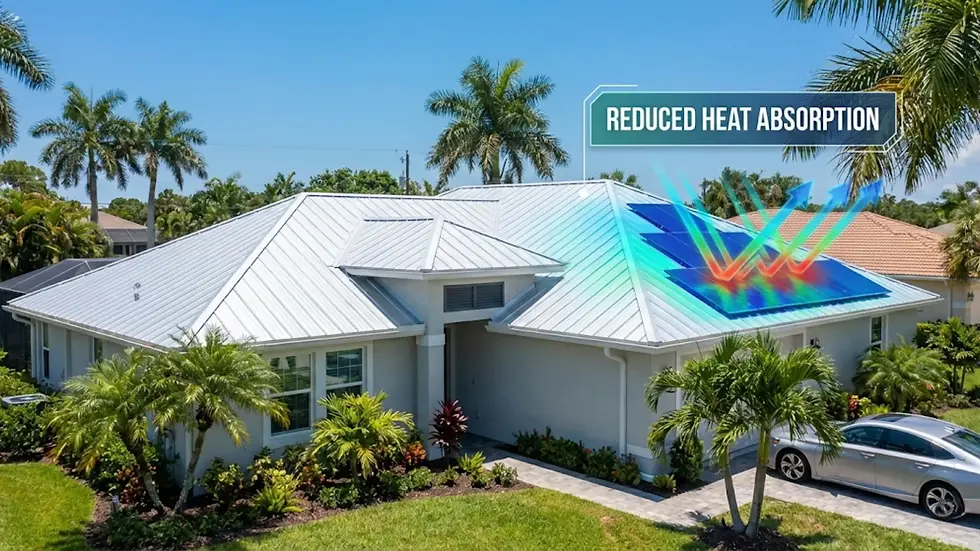
In a region where the sun is your roof's greatest enemy, energy-efficient upgrades are not just environmentally friendly—they are a financial necessity.
Cool Roof Technology and Reflective Coatings
Traditional dark roofs can reach temperatures exceeding 150 degrees in the summer. This is why more homeowners are choosing cool roofs to mitigate energy costs.
Reflective Shingles: These contain specially engineered granules that reflect UV rays.
White TPO and Metal: For flat or low-slope sections of a home, white TPO (Thermoplastic Polyolefin) or light-colored metal panels can significantly lower interior temperatures.
Solar Integration
Solar technology is no longer limited to bulky panels. Solar shingles and integrated solar tiles blend seamlessly with your roof’s architecture. These systems allow you to generate renewable energy while maintaining the curb appeal of your Indian River Shores or Riomar home. When paired with home battery systems, solar roofs provide a layer of energy independence during the power outages that often follow major Florida storms.
Actionable Maintenance: The Proactive Schedule

The most cost-effective roof repair is the one you never have to make because you caught a minor issue early. A smart maintenance strategy involves consistent, documented care.
The Bi-Annual Inspection
Vero Beach homeowners should schedule professional inspections at least twice a year—ideally in the spring before hurricane season starts and in the fall after the peak storm months have passed.
Spring Check: Focus on ensuring sealants are intact and vents are clear to handle summer heat and humidity.
Fall Check: Inspect for any loose shingles, cracked tiles, or compromised flashing that may have been damaged by summer storms. Learn to recognize signs your roof needs repairs during hot summer months to avoid escalating damage.
Gutter and Drainage Management
Clogged gutters are a leading cause of roof-edge rot and foundation issues in Florida.
Automated Gutter Systems: Some smart gutters feature sensors that detect clogs or heating elements that prevent the (rare but possible) ice dam during extreme winter dips.
Debris Removal: Ensure that gutters and downspouts are clear of palm fronds and oak leaves. Learning how to clean gutters like a pro ensures water doesn't back up under your roofing materials.
Post-Storm Protocol
After any significant weather event, perform a visual check from the ground. Look for:
Granule loss in gutters.
Missing or curling shingles.
"Ponding" water on flat roof sections, which can lead to material failure over time. If you spot issues, consult a guide on how to find and fix a roof leak immediately.
Professional Installation: Tips for Choosing a Partner

A smart roof is only as good as its installation. In Florida, poor workmanship can void manufacturer warranties and lead to insurance claim denials.
Local Expertise Matters
Ensure your contractor is deeply familiar with Florida Building Codes and the specific requirements for Indian River County. They should understand the nuances of coastal wind-load requirements and be able to provide documented proof of their experience. Knowing what to look for in professional roofing installation services is key to a successful project.
Warranties and Documentation
Workmanship Warranty: Look for contractors who offer a multi-year guarantee on their labor (e.g., a 10-year workmanship warranty).
Documentation for Insurance: A reputable roofer will provide detailed reports and photos of their work. This is essential for maintaining coverage and can often lead to lower premiums if you can prove you have installed impact-resistant or wind-rated systems.
Frequently Asked Questions (FAQ)
How long should a roof last in Vero Beach?
A) Depending on the material and maintenance, a typical roof lasts 15 to 25 years. However, premium materials like metal or tile, when properly maintained, can protect a home for 40 to 70 years.
Does energy-efficient roofing really lower my AC bill?
A) Yes. Materials that reflect sunlight (cool roofs) or provide better attic ventilation can reduce the heat transferred into your home, potentially lowering cooling costs significantly during Florida's hot summers.
Can I install a smart monitoring system on an existing roof?
A) In many cases, yes. While some sensors are best installed during a full replacement, many IoT devices and smart vents can be retrofitted to an existing roofing system to improve monitoring and airflow.
What is the best material for a beachfront home?
A) Aluminum roofing is widely considered the best choice for homes directly on the water due to its natural resistance to salt-air corrosion.
Are there financial incentives for smart roofing?
A) Yes. Florida residents may be eligible for federal tax credits for solar-integrated roofing or energy-efficient materials. Additionally, many insurance companies offer discounts for roofs with high wind and impact ratings.
Conclusion: Investing in Long-Term Resilience

For Vero Beach homeowners, a roof is a long-term investment in both safety and property value. By moving away from reactive repairs and embracing a strategy of smart fixes—from AI-powered leak detection to high-performance reflective materials—you can ensure your home is prepared for whatever the Atlantic throws its way.
Smarter roofing decisions today mean fewer emergency repairs tomorrow, lower energy costs, and the peace of mind that comes from knowing your home is shielded by the best modern technology has to offer. Whether you are planning a full replacement or simply looking to upgrade your current system’s performance, using tools like DreamDen.ai for visualization and partnering with local experts will help you build a more resilient future.


Comments