
Ultimate Guide to AC Installation in Whitefish Bay: Stay Cool, Save Energy & Boost Comfort
- DreamDen AI Editorial Team
- Aug 11, 2025
- 6 min read


Beat the Heat in Whitefish Bay – The Right Way
As summer temperatures in Whitefish Bay continue to climb, reliable air conditioning is no longer a luxury—it’s a necessity. Whether you're upgrading your old system, building a new home, or finally investing in your first AC unit, one thing is clear: AC installation in Whitefish Bay demands precision, expertise, and strategic planning.
In this blog, we dive deep into the complete process of AC installation, tailored specifically for homeowners and businesses in Whitefish Bay. You'll discover key strategies to make informed decisions, avoid costly mistakes, and ensure long-term energy savings.
Fast Fact: According to the U.S. Department of Energy, proper AC installation can reduce your cooling costs by up to 30%.
Why Whitefish Bay Residents Need Efficient AC Systems
Whitefish Bay’s climate offers a mix of warm summers and cool winters, but when summer hits, indoor spaces can quickly become unbearable. High humidity levels amplify discomfort, pushing your AC system to work harder—unless it's been professionally installed and maintained.
Here’s what makes professional AC installation in Whitefish Bay essential:
Rising summer temperatures: July and August average 80°F+, with heatwaves reaching well into the 90s.
Increased humidity: Prolonged moisture leads to mold, mildew, and respiratory discomfort.
Energy bills skyrocketing: Older systems or poor installation can spike utility costs by 25% or more.
Solution? Install an energy-efficient system optimized for your home's size and layout.
AC Installation in Whitefish Bay: Step-by-Step Guide
1. Initial Assessment and Load Calculation
The first step is evaluating your home’s specific needs.
Load calculation ensures your AC isn’t too small (overworking) or too big (wasting energy). Factors considered include:
Home size (square footage)
Window placement
Insulation quality
Number of occupants
Sun exposure
Pro tip: Avoid contractors who skip this step. It’s crucial for long-term performance.
2. Choosing the Right AC System
Whitefish Bay homes vary in architecture—from historic lakefront estates to modern townhouses. Your AC system should match your home’s structure and your family’s lifestyle.
Popular options:
AC Type | Best For | Pros |
Central Air Conditioning | Medium to large homes | Even cooling, efficient with ductwork |
Ductless Mini-Split | Older homes, additions, individual rooms | No ductwork, zone control |
Heat Pumps | Eco-conscious homeowners | Heating + cooling in one system |
Window Units | Small apartments or temporary solutions | Low upfront cost, portable |
Did You Know? ENERGY STAR certified central air systems can save Whitefish Bay homeowners up to $115 annually.
3. Hiring the Right HVAC Contractor in Whitefish Bay
Installing an AC system is NOT a DIY job. You need licensed, insured, and experienced professionals who:
Understand Wisconsin building codes
Offer local references
Provide free estimates and written warranties
Are NATE-certified (North American Technician Excellence)
Red flags to avoid:
No written contract
Vague pricing
No license or insurance
One-size-fits-all recommendation
Always get at least 3 quotes from local contractors for transparency and value comparison.
4. Installation Day: What to Expect
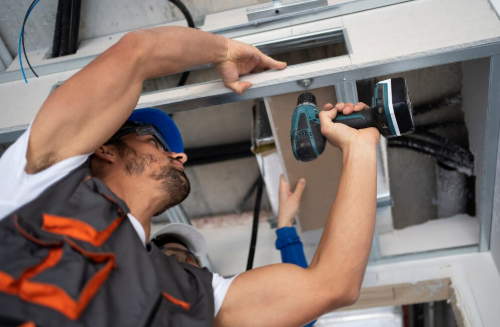
A standard AC installation in Whitefish Bay typically takes 4–8 hours, depending on system complexity.
Step-by-step breakdown:
Removal of the old unit (if applicable)
Site preparation and layout verification
Installing indoor and outdoor components
Wiring and connecting to electrical supply
Charging with refrigerant and testing for leaks
System calibration for efficiency
Final walkthrough and usage training
Bonus Tip: Ask your installer to walk you through the thermostat settings and maintenance schedule.
Top 7 Mistakes to Avoid When Installing AC in Whitefish Bay
Avoid these common pitfalls to save thousands:
Skipping load calculation – leads to inefficiency
Ignoring insulation issues – wastes cooling
Not verifying contractor credentials
Choosing price over performance
Wrong system size or type
Poor ductwork planning
Neglecting post-installation inspection
How Much Does AC Installation Cost in Whitefish Bay?

Average Cost:
Central AC (2.5-ton system): $3,800–$6,500
Ductless mini-split: $2,000–$5,000 per zone
Heat pump system: $4,000–$8,000
Cost Factors Include:
Home size and layout
Ductwork condition or need for retrofit
Brand and SEER rating
Installation complexity
Save money: Look out for rebates from Focus on Energy Wisconsin or federal tax credits (up to $2,000 for heat pumps).
Energy Efficiency: Your Secret Weapon
Investing in a high-efficiency unit not only improves comfort but also:
Reduces monthly bills by up to 30%
Qualifies for rebates
Lowers your carbon footprint
Look for:
SEER rating of 16 or higher
ENERGY STAR certification
Variable-speed compressors
Maintenance = Longevity + Peace of Mind
After installation, don’t ignore your system.
Annual tune-ups extend the unit’s life by 5–10 years Clean filters monthly Keep the outdoor unit clear of debris
Pro Tip: Enroll in a local HVAC company’s maintenance plan for priority service and discounted repairs.
Winterization: A Local Necessity
Whitefish Bay winters are harsh. Post-summer, your AC needs to be winterized:
Disconnect and drain lines
Cover the outdoor unit (but ensure airflow)
Clean coils
Check insulation around pipes
Why Now Is the Best Time for AC Installation in Whitefish Bay
Don’t wait until the next heatwave hits. Off-season (late fall or early spring) offers:
Lower installation costs
Faster scheduling
Better inventory availability
Urgency tip: Summer demand can lead to wait times of 2–3 weeks, with prices increasing by 10–15%.
The Best Local Brands for Whitefish Bay Homes
If you're unsure where to start, consider these trusted AC brands, known for performance in Wisconsin’s climate:
Carrier – Quiet and efficient
Trane – Durable and smart-home compatible
Lennox – High SEER ratings
Mitsubishi Electric – Ideal for ductless applications
American Standard – Excellent value
Conclusion: Your Cool, Comfortable Future Starts Today
AC installation in Whitefish Bay is more than just buying a unit and plugging it in—it's an investment in your comfort, health, and home value. When done right, it saves money, enhances quality of life, and ensures peace of mind during even the hottest summer days.
Don't wait for your old system to fail or another heatwave to catch you off guard.
Take action today—choose the right system, hire the best local pros, and stay cool for years to come.
10 Frequently Asked Questions: AC Installation in Whitefish Bay
1. Why is AC installation important in Whitefish Bay?
Whitefish Bay experiences warm, humid summers that can make indoor spaces uncomfortable. A professionally installed AC system ensures consistent cooling, better air quality, and energy efficiency. Proper installation also extends your unit’s lifespan, reduces maintenance costs, and helps you stay comfortable while lowering monthly energy bills.
2. How do I choose the right AC size for my home?
Choosing the correct AC size involves assessing your home’s square footage, insulation quality, window types, and sun exposure. An HVAC professional will perform a load calculation to ensure your system is neither overpowered (wasting energy) nor underpowered (failing to cool adequately). Correct sizing maximizes comfort and efficiency.
3. What are the benefits of professional AC installation over DIY?
Professional installation guarantees correct sizing, proper refrigerant handling, safe electrical connections, and compliance with local building codes. DIY attempts often lead to inefficiency, system breakdowns, and even voided warranties. Experts also ensure optimal airflow and placement, which directly impacts your AC’s performance, energy use, and indoor comfort.
4. How can I make my AC installation more energy-efficient?
To boost efficiency, choose an ENERGY STAR®-rated unit, install a programmable thermostat, seal ductwork, and ensure your home is well-insulated. Proper placement of the outdoor condenser in a shaded, ventilated area also reduces strain on the system. Professional installers can recommend additional upgrades for maximum savings.
5. How long does an AC installation usually take?
Most standard residential AC installations take 4–8 hours, depending on the system type, home layout, and whether ductwork modifications are needed. Complex setups or replacing an outdated system may extend the timeline. Professionals work to minimize disruption while ensuring safe, precise installation.
6. What maintenance is needed after installing a new AC?
Regular maintenance includes changing filters every 1–3 months, cleaning the condenser unit, checking refrigerant levels, and scheduling annual professional tune-ups. This prevents performance decline, reduces repair costs, and maintains energy efficiency. A well-maintained system can last 15 years or more, keeping your home comfortable season after season.
7. What’s the average cost of AC installation in Whitefish Bay?
Costs vary based on the AC model, size, energy rating, and any ductwork adjustments required. On average, homeowners can expect to spend between $3,000 and $7,500. While this is an investment, modern energy-efficient systems can significantly lower utility bills, offsetting initial costs over time.
8. Can AC installation improve indoor air quality?
Yes. A properly installed system with high-quality filters and sealed ductwork reduces airborne dust, pollen, and allergens. Some systems also include humidity control, which helps prevent mold growth. Pairing your AC with an air purifier or upgraded filtration system can further enhance air quality.
9. When is the best time to install a new AC?
The best time is during spring or early fall when HVAC companies are less busy and prices may be more competitive. Installing before peak summer ensures your system is ready when temperatures rise, preventing long wait times and emergency service fees during heat waves.
10. What signs indicate I need a new AC system?
If your AC is over 12–15 years old, requires frequent repairs, produces uneven cooling, or causes energy bills to spike, it may be time for a replacement. Unusual noises, refrigerant leaks, and excessive humidity are also red flags. A professional inspection can confirm the best next step.


Comments