
How Oklahoma Weather Impacts HVAC Systems

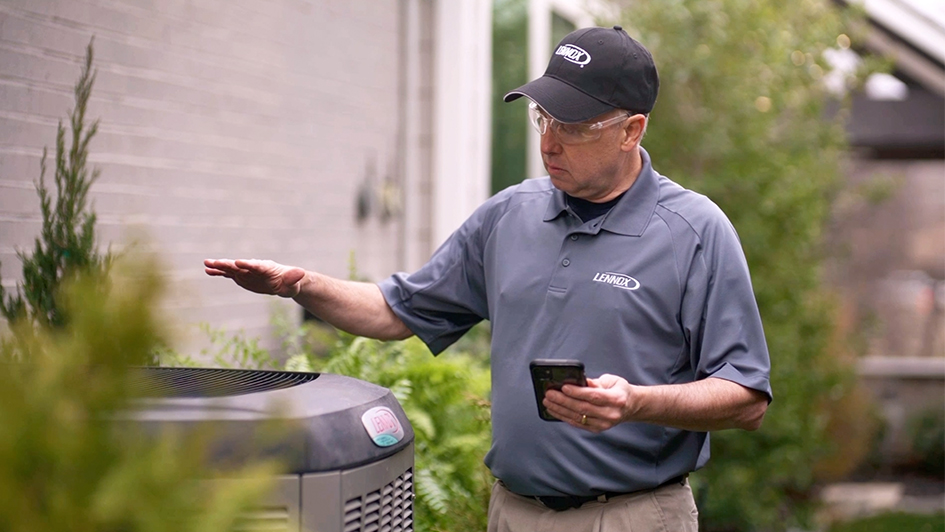
Oklahoma’s weather is anything but predictable. From scorching summer heat and sudden cold snaps to high winds, humidity, and severe storms, the climate in and around Norman puts unique demands on residential HVAC systems. Understanding how local weather conditions affect heating and cooling equipment can help homeowners maintain comfort, improve efficiency, and know when it’s time to schedule professional HVAC services in Norman, OK.
Extreme Summer Heat and Heavy System Demand
Summers in Oklahoma are long, hot, and often humid, with temperatures frequently climbing into the 90s and above. During these periods, air conditioning systems run for extended hours just to maintain comfortable indoor temperatures. This constant operation accelerates wear on critical components such as compressors, capacitors, and fan motors.
When systems aren’t properly maintained, the added strain can lead to breakdowns during peak heat—often when HVAC companies are busiest. Regular maintenance before summer begins helps ensure systems are clean, properly charged, and ready to handle sustained high demand.
Humidity and Indoor Comfort Challenges
Oklahoma humidity plays a major role in HVAC performance. High moisture levels make indoor spaces feel warmer than they actually are, forcing air conditioners to work harder to remove both heat and humidity from the air. If an HVAC system is improperly sized or poorly maintained, it may struggle to control humidity, leading to sticky indoor air and reduced comfort.
Over time, excess humidity can also contribute to mold growth, poor indoor air quality, and moisture-related damage inside the home.
Sudden Cold Snaps and Winter Stress
While Oklahoma winters are generally mild, sudden temperature drops are common and can catch homeowners off guard. HVAC systems that haven’t been serviced may struggle to switch from cooling to heating efficiently. Furnaces, heat pumps, and related components can experience stress when transitioning quickly between modes, especially if filters are dirty or parts are worn.
Cold weather can also expose weaknesses in ductwork, insulation, and thermostats, leading to uneven heating and higher energy bills.
Severe Weather and Power Fluctuations

Thunderstorms, high winds, and lightning are frequent across central Oklahoma. These events can cause power surges or outages that damage HVAC electrical components. Outdoor units are particularly vulnerable to debris, hail, and electrical fluctuations during storms.
Installing surge protection and ensuring outdoor units are clear of debris can help reduce storm-related damage. Homeowners who rely on consistent indoor comfort often work with professionals offering HVAC services in Norman, OK to protect their systems from weather-related risks.
Seasonal Temperature Swings Increase Wear and Tear
One of the biggest challenges Oklahoma weather presents is rapid temperature change. A warm afternoon followed by a cold evening can force HVAC systems to cycle frequently between heating and cooling. This constant adjustment increases wear on system components and can shorten overall equipment lifespan if maintenance is neglected.
Why Local HVAC Knowledge Matters
Because Oklahoma’s climate is so demanding, working with professionals who understand local weather patterns makes a difference. Technicians familiar with HVAC services in Norman, OK know how to prepare systems for extreme heat, sudden cold snaps, and severe weather conditions common to the area.


Comments