
How to Design a Seamless Interior


Have you ever walked into a home and felt an immediate sense of peace? You don't just see one room at a time; instead, the whole house feels like a single, beautiful story. This is the result of intentional design. When people ask how to design a seamless interior, they are really asking how to create "flow."
A seamless interior is one where there are no "choppy" stops. Every room talks to the next one. The colors, materials, and lighting all work together to make the space feel larger, calmer, and more expensive. Whether you have a tiny apartment or a large villa, creating visual continuity is the secret to a high-end look.
In this guide, we will walk through the exact principles and steps you need to take your home from a collection of random rooms to a perfectly connected sanctuary.
1. What Is a Seamless Interior? (The Concept of Flow)
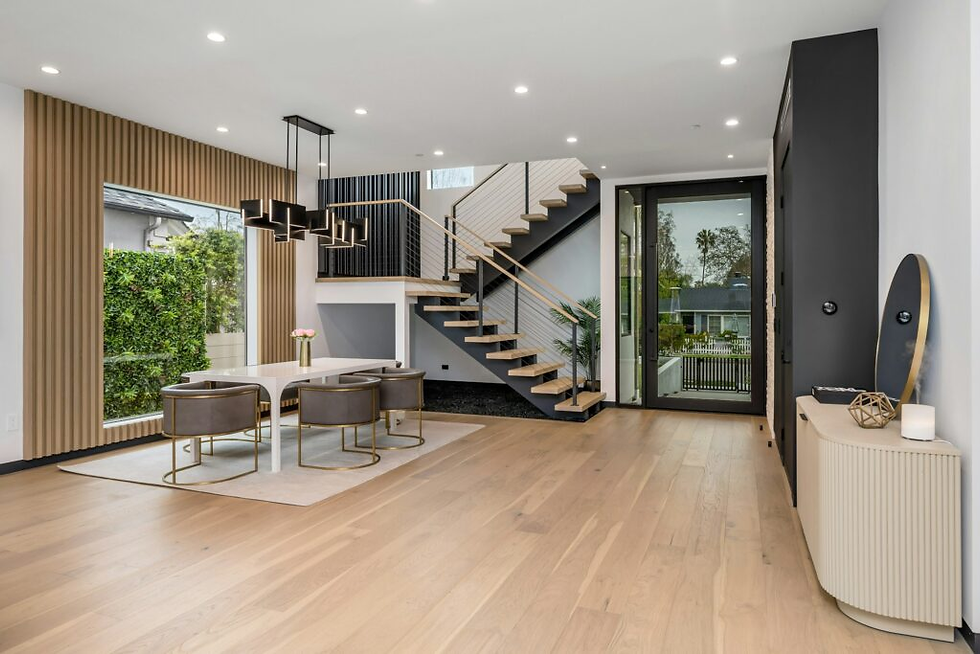
Before we get into the "how-to," we need to understand what "seamless" actually means. It is not just about having everything be the same color.
The Core Principle: Continuity Without Monotony
Seamless design means that as you move through a house, your eyes don't get "stuck" on big changes. If the living room is bright red and the kitchen is lime green, that is a "broken" interior. A seamless interior uses a "red thread"—a common element—that stays the same throughout the house, even if the rooms have different purposes.
Seamless vs. Minimalist
Many people think a seamless home must be a minimalist home (empty and white). This is a mistake. You can have a "Maximalist" seamless home full of art and patterns, as long as those patterns share a common logic.
Minimalism is about how much stuff you have.
Seamless Design is about how the stuff relates to each other.
The Three Layers of Flow

Visual Continuity: What you see (colors, woods, floorings).
Functional Flow: How you walk (paths, doorway sizes, furniture placement).
Emotional Seamlessness: How you feel (the "vibe" stays consistent).

2. Design Principles for Seamless Spaces
If you want to know how to design a seamless interior, you must master these four pillars.
A. Unified Color Philosophy
Color is the strongest tool for flow. The best way to use it is the 60-30-10 Rule, but applied to the whole house, not just one room.
Color Role | Percentage | Where to Use It |
Main Neutral | 60% | Walls, large rugs, and hallways. |
Secondary Tone | 30% | Large furniture, curtains, and accent walls. |
Accent Color | 10% | Throw pillows, art, and small decor. |
Pro Tip: Use the same "Main Neutral" for all your hallways. This acts as a "reset button" for the eyes as you move between rooms.
B. Material & Texture Harmony
If you have five different types of wood flooring in one house, it will look like a puzzle that wasn't put together right.
The Floor Rule: Use the same flooring in as many rooms as possible. This is the #1 way to make a home feel seamless.
Repeat the Metals: If your kitchen handles are matte black, use matte black for your door handles and bathroom faucets.
C. Spatial Rhythm and Leading Lines
Your furniture should create "lines" that point toward the next room. For example, a long hallway runner (rug) "leads" the eye into the living room. If a big sofa is blocking the doorway, it "cuts" the flow and ruins the seamless feeling.
D. Lighting as a Connector
Natural light should flow from one room to another. Don't block windows with heavy curtains. For artificial light, use the same "color temperature" (warm white vs. cool white) throughout the house. Mixing yellow lights and blue lights makes a home feel disconnected.
3. A 7-Step System to Design a Seamless Interior
Follow this framework to plan your project from start to finish.
Step 1: Define Your Design Narrative

Every home needs a "story." Before buying furniture, write down three words that describe the feeling you want.
Example: "Warm, Modern, Organic."
If you find a piece of furniture that is "Cold, Industrial, and Shiny," it doesn't fit the story. Don't buy it.
Step 2: Create a Master Palette Map
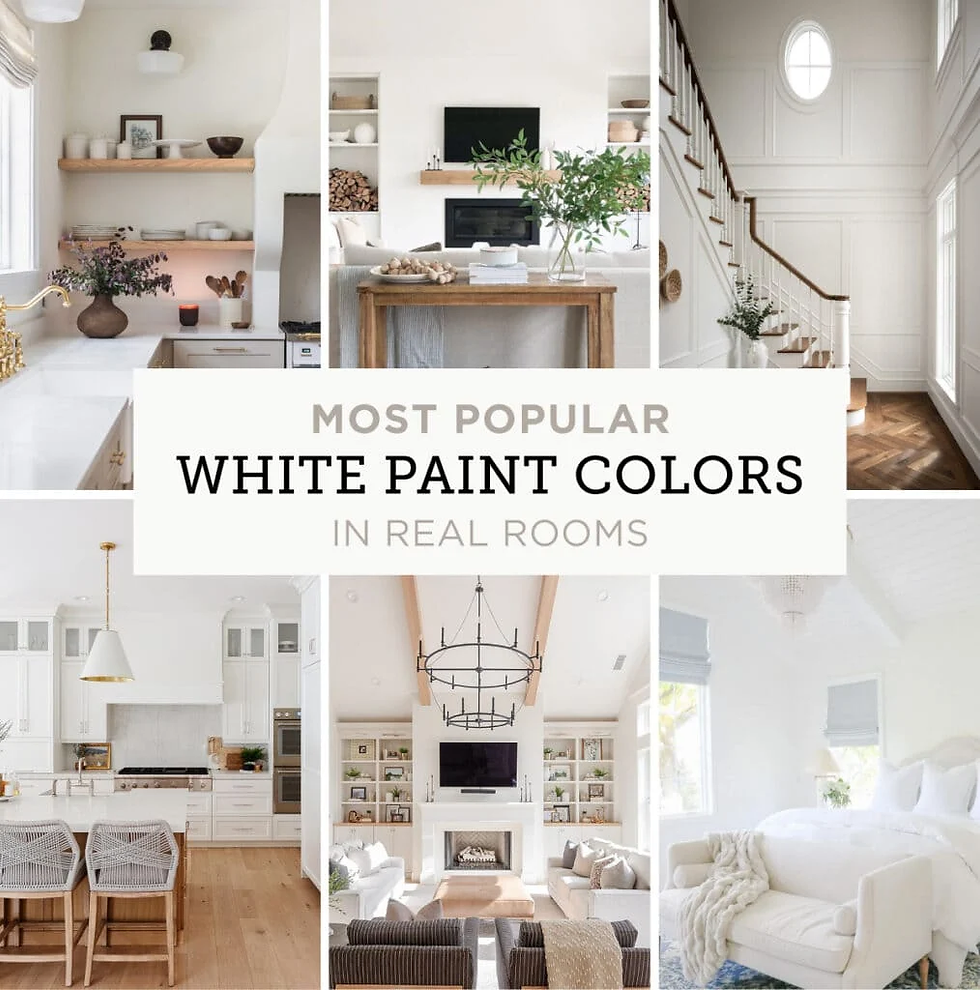
Don't just pick one color. Pick a "family" of colors.
The Anchor: A soft white or light grey for 70% of the walls.
The Bridge: A medium tone (like taupe or sage green) for 20% of the spaces.
The Pop: A bold color (like navy or terracotta) for the final 10%.
Step 3: Build a Materials Grid

Create a list of 3-4 materials you will use everywhere.
Example: Light Oak wood, Black metal, and Cream linen.
Stick to these three. If you use Oak in the kitchen, use a little Oak in the bedroom too. This "repeats the rhythm."
Step 4: Balance the Open Plan

If your home is "Open Plan," you need to define zones without using walls.
Use Rugs: A rug "borders" the living room area so it feels like its own space without needing a wall.
Lighting Shifts: Use a hanging pendant light over the dining table to "frame" that zone.
Step 5: Furniture Placement for Movement
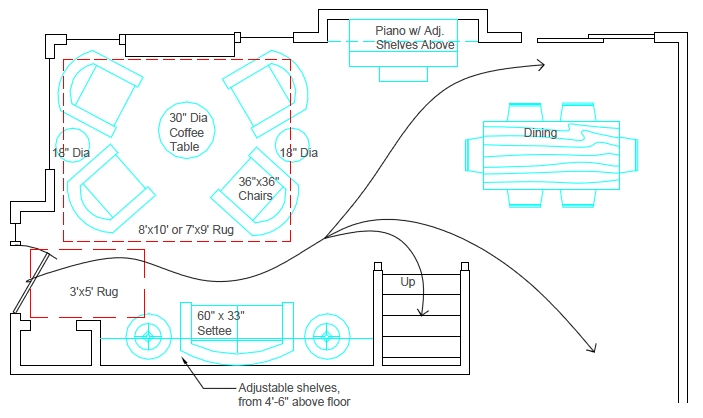
Walk through your house. Do you have to "zigzag" around a table? If yes, the flow is broken. Keep "traffic lanes" at least 3 feet wide. People should be able to walk from the front door to the back door without hitting anything.
Step 6: The Lighting Blueprint
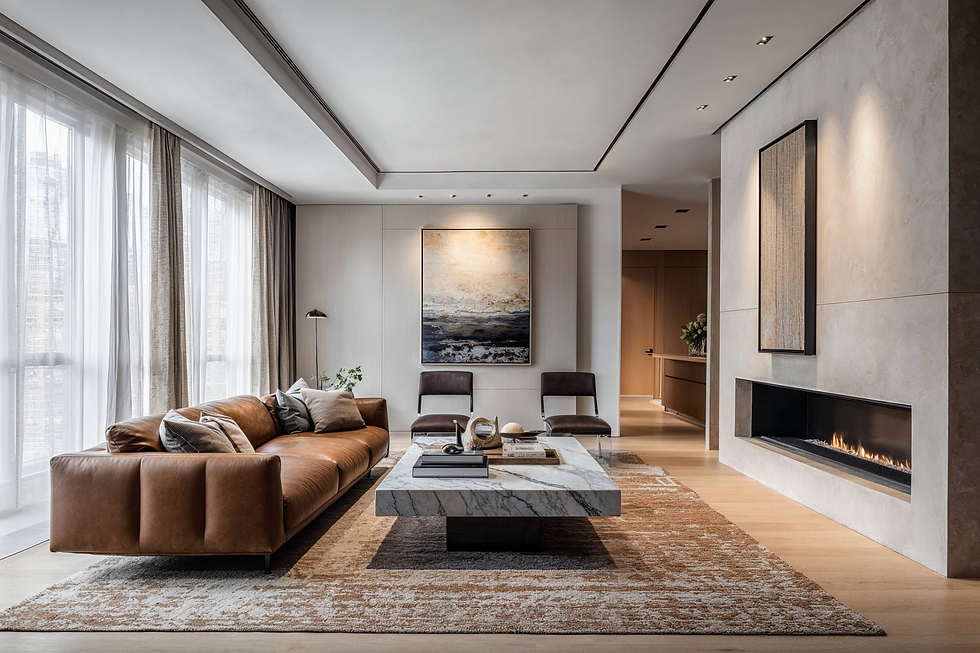
Use "Layered Lighting" in every room.
Ambient: The big overhead light.
Task: Reading lamps or under-cabinet lights.
Accent: Small lights that point at art or plants.
When every room has these three layers, the transition between rooms feels natural and high-end.
Step 7: Curate Decor with Intent

Avoid "spotty randomness." Don't put one random red vase in the corner if nothing else is red. If you love red, put a red vase in the entry and a painting with red tones in the living room. This "connects the dots" for the person walking through.
4. Room-by-Room Application
Here is how to apply modern seamless design to the transitions in your home.

Entry → Living Room
The Transition: The entry should "preview" the living room.
The Trick: Use a small piece of art in the entry that contains the main colors used in the living room.
Mistake to Avoid: Having a messy, dark entry that opens into a bright, clean living room. It’s too big of a shock.
Living Room → Dining Room
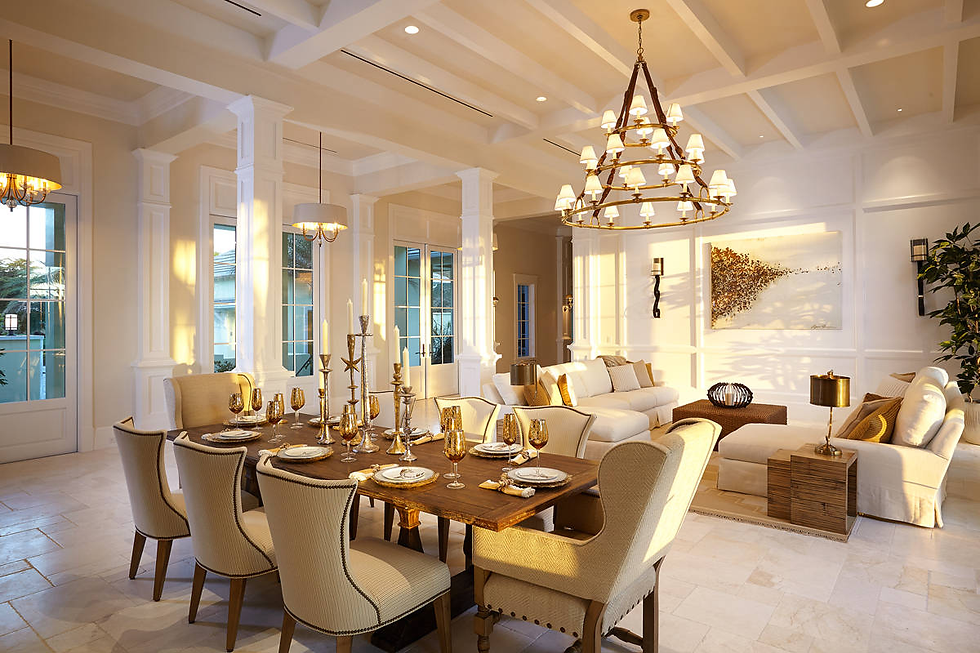
The Transition: These rooms are often side-by-side.
The Trick: Use the same "accent color." If your dining chairs have blue seats, put blue pillows on your living room sofa.
Mistake to Avoid: Using two different styles of wood for the dining table and the coffee table.
Kitchen → Dining Area

The Transition: Often separated by a counter or island.
The Trick: Use the same metal finishes. If your kitchen faucet is brass, your dining room chandelier should be brass.
Mistake to Avoid: Bright white "office-style" lights in the kitchen and warm "romantic" lights in the dining room.
5. Common Mistakes and "Fix-It" Solutions
Even professional designers make mistakes. Here is how to spot and fix them.
The Mistake | Why It Fails | How to Fix It |
Abrupt Floor Changes | It "cuts" the floor in half, making the house look small. | Use a "threshold strip" that matches the floor color, or keep the same floor throughout. |
Furniture "Traffic Jams" | It makes the house feel crowded and stressful. | Move the furniture away from the "natural path" where people walk. |
Too Many Focal Points | Your eyes get tired because they don't know where to look. | Pick one "Star" in each room (like a fireplace or a large window). |
Mixed Wood Tones | It looks like the furniture was collected at random. | Stick to two wood tones (e.g., one light, one dark) and repeat them. |
6. Expert Tips for Small Spaces

Can small spaces feel seamless? Yes! In fact, designing seamless spaces is even more important in small apartments.
Paint Everything One Color: Paint the walls, the trim, and even the doors the same color. This makes the boundaries of the room "disappear."
Leggy Furniture: Use sofas and chairs with legs you can see through. When you can see the floor continuing under the furniture, the room feels more "seamless."
Mirror Magic: Use mirrors opposite doorways to "reflect" the next room. It creates a visual bridge that tricks the brain into seeing more flow.
FAQs
1. What does seamless interior design mean?
It means creating a home where every room feels connected. It is about using consistent colors, materials, and layouts so that you can move through the house without feeling a visual "jerk" or interruption.
2. How can I make my home look more connected?
The fastest way is to use the same flooring and the same wall color in all the main areas (hallways, living room, and kitchen). Also, try to use the same style of door handles and light switches throughout.
3. What are the best colors for seamless interior design?
Neutrals like "Greige" (grey-beige), soft whites, and muted earth tones (sage, terracotta) are best. These colors are easy to carry from one room to another without becoming overwhelming.
4. Is an open-plan layout necessary for a seamless design?
No! You can have a very seamless home with many walls. In fact, a "closed" home can feel very seamless if the doorways are tall and the color palette is consistent between the rooms.
5. How does lighting affect interior flow?
Lighting creates a "mood bridge." If one room is very bright and the next is very dark, it feels like a "break." Keeping the brightness levels similar and using the same lightbulb "temperature" (warm vs. cool) helps the transition feel smooth.
6. Can I still have a "themed" room?
You can, but be careful. If you want a "Jungle Themed" kid's room in a "Modern" house, try to use the same wood tones for the bed as you use in the rest of the house. This keeps the "theme" from feeling like a different world.
Conclusion: The Secret to a Harmonious Home
Learning how to design a seamless interior is really about learning how to be disciplined. It is tempting to buy every beautiful thing you see, but a seamless home requires you to ask:
"Does this fit my story?"
When you master the flow of color, materials, and movement, your home stops being just a place where you keep your things. It becomes a sanctuary that supports your life. It feels bigger, it looks more professional, and most importantly, it feels like "home."
Next Steps for Your Project
Take the "Walk-Through Test": Walk from your front door to your bedroom. Note every time your eye gets "stuck" on a bright color or a piece of furniture in the way.
Pick Your "Red Thread": Choose one material (like Oak or Brass) that you will commit to using in every single room.
Check Your Bulbs: Ensure every lightbulb in your main living areas is the same "warmth."


Comments