
Ultimate Guide to AC Installation in Vernon (2025): What Every Homeowner Needs to Know Now

Updated: Dec 23, 2025
As temperatures rise and energy costs fluctuate, installing a new air conditioner is no longer just about swapping out a box outside your house. It is a significant home improvement project that impacts your comfort, your monthly bills, and the value of your property for the next 15 years.
In 2025, air conditioning technology is smarter and more efficient than ever. However, the installation process has also become more technical. A "plug-and-play" approach simply doesn't work for modern high-efficiency systems.
In this guide, you will learn:
How to choose the right system type for your specific home layout.
The true costs of installation in the current market.
A step-by-step breakdown of what happens on installation day.
How to utilize government rebates and incentives to save money.
Whether you are building a new home or replacing an aging unit, this guide provides the clarity and actionable tips you need to make a confident decision.
Why Professional AC Installation Matters

You might be tempted to cut costs by hiring a handyman or attempting a DIY solution, but when it comes to HVAC (Heating, Ventilation, and Air Conditioning), the installation quality is just as important as the brand of the equipment.
The Risks of Poor Installation
According to industry studies, an improperly installed AC unit can reduce efficiency by up to 30%. Before you consider doing it yourself, it is vital to understand the risks of DIY AC installation.
Voided Warranties: Most manufacturers require proof of professional installation to honor parts warranties.
Premature Failure: Incorrect refrigerant levels or poor airflow strain the compressor, leading to early breakdowns.
Safety Hazards: Improper electrical connections or refrigerant handling can pose fire or health risks.
The Benefits of a Pro Install
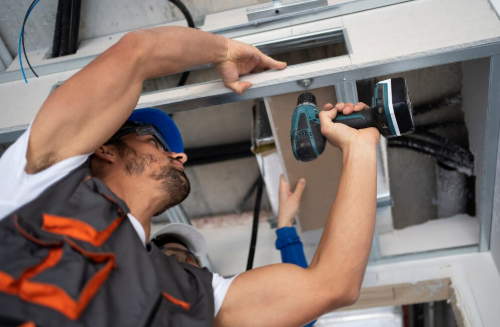
Professional technicians don’t just "install"; they perform system design. For more insights on what a pro brings to the table, read our essential tips for professional HVAC installation. They calculate airflow, ensure ductwork is sealed, and calibrate the system to the manufacturer's exact specifications.
Types of AC Systems (With Pros & Cons)

Not all homes need a central powerhouse. Here is how the main options stack up in 2025. If you are stuck between the two most popular choices, check out our comparison on central AC vs. ductless mini-splits.
System Type | Best Use Case | Efficiency | Estimated Cost Range |
Central Air | Homes with existing ductwork; large families. | High (SEER2 14-26) | $5,000 – $9,000+ |
Heat Pump | Homes needing both heating & cooling; high efficiency. | Very High | $6,500 – $12,000+ |
Ductless Mini-Split | Older homes without ducts; room additions. | Highest | $3,000 – $6,000 (per zone) |
Window/Portable | Rentals; single rooms; temporary solutions. | Low to Medium | $300 – $800 |
How to Choose the Right AC Unit

Choosing a unit based solely on price is a mistake. Here are the three factors that matter most:
1. Sizing (The Manual J Calculation)
Bigger is not better. An oversized unit will cool the room too quickly and shut off before it removes humidity, leaving your home feeling clammy and causing wear on the motor (short-cycling). Ask your installer to perform a Manual J load calculation to ensure the perfect fit.
2. SEER2 Ratings
SEER (Seasonal Energy Efficiency Ratio) measures efficiency. As of 2023, the industry moved to SEER2, a more rigorous testing standard.
The Baseline: The minimum standard is roughly 14-15 SEER2 depending on your region.
The Trade-off: Higher SEER2 units cost more upfront but save significantly on monthly bills. Learn more about how efficiency affects your wallet in our guide on keeping energy bills low.
Step-by-Step AC Installation Process

Knowing what to expect removes the stress from installation day.
Home Assessment: The technician visits to measure your home, check insulation, and perform load calculations.
Selection & Quote: You choose the unit based on the assessment and budget.
Site Prep: Technicians lay down drop cloths and clear the workspace. Old refrigerant is reclaimed safely.
Ductwork Inspection: Existing ducts are checked for leaks. If your ducts are leaking, a new AC won't help.
The Install: The indoor evaporator coil and outdoor condenser are set in place.
Commissioning: This is critical. The tech balances the refrigerant charge and tests airflow.
Final Walkthrough: The tech shows you how to use the thermostat and change the filter.
Curious about the time commitment? Read our guide on how long it takes to install a new AC.
AC Installation Checklist for Homeowners

Save this list to stay organized.
Pre-Installation
[ ] Get at least 3 quotes from licensed, insured contractors.
[ ] Verify the contractor will handle all city permits.
[ ] Ask for a written contract detailing equipment model numbers.
Installation Day
[ ] Clear the area around the outdoor unit (trim bushes, move furniture).
[ ] Ensure a clear path to the indoor unit (attic, basement, or closet).
[ ] Keep pets and children away from the work zone.
Post-Installation
[ ] Test the system: Does it reach the set temperature within a reasonable time?
[ ] Check for strange noises (rattling or grinding).
[ ] Crucial: Register your warranty online.
Cost Breakdown & What to Expect in 2025

Prices vary by location, but here are realistic expectations for a complete professional installation. For a deep dive into specific numbers, review our article on understanding HVAC replacement costs.
Entry-Level System (14 SEER2): $4,500 – $7,000
Mid-Range System (16-18 SEER2): $7,000 – $10,000
High-End Variable Speed (20+ SEER2): $11,000 – $15,000+
For a specific look at central air pricing, check out the cost of installing a central air conditioning system.
Rebates, Incentives & Financing

You rarely have to pay the full sticker price if you are smart about incentives.
Inflation Reduction Act (IRA): Federal tax credits are available for high-efficiency air conditioners and especially for Heat Pumps (up to $2,000 or more in credits).
Utility Rebates: Local power companies often offer rebates for installing Energy Star certified equipment.
Financing: Most HVAC companies offer financing. Look for 0% interest for 12-24 months options.
Tip: Always research government rebates and incentives before signing the contract.
AC Maintenance After Installation

Protect your investment. A well-maintained AC can last 15-20 years; a neglected one might die in 10.
Homeowner Task: Change the air filter every 30-90 days.
Homeowner Task: Keep the condensate line clear. clogged lines are a common issue. Learn why your AC drain line gets clogged and how to fix it.
Pro Task: Schedule an annual tune-up to clean coils and check refrigerant levels.
Frequently Asked Questions
Q: How do I know if I need a repair or a full replacement?
A: If your unit is over 10 years old and the repair cost is 50% of a new unit, replace it. If it’s newer, read our guide on AC not blowing cold air to see if it's a simple fix.
Q: Do I really need a permit?
A: Yes. It protects you. A city inspector ensures the electrical and safety standards were met.
Q: Is a higher SEER rating worth the money?
A: If you live in a hot climate, yes—the savings add up quickly. If you are in a mild climate, a mid-range SEER is usually sufficient.
Conclusion
Investing in a new AC system in 2025 is about more than just cold air—it’s about securing comfort, efficiency, and peace of mind for your home. By choosing the right contractor, prioritizing proper sizing over brand name, and keeping up with HVAC maintenance, you ensure your money is well spent.
Don't rush the process. Use the checklist above, ask the hard questions, and choose a system that fits your specific needs.
Ready to upgrade your home comfort? Explore our AC Installation Services category to find experts and more tips for your specific area.


Comments