
Designing for Relaxation Without Over-styling
- DreamDen AI Editorial Team
- Apr 4
- 4 min read

Modern homes often look beautiful in photos but feel stressful in real life. Perfectly styled shelves, trendy décor, layered accessories, and statement pieces fill every corner — yet the space feels busy, not relaxing.
This happens because many homes are designed to look styled rather than feel comfortable. Over time, decorative decisions pile up, clutter grows, and the calm feeling we seek from home disappears.
The truth is simple:
A relaxing home is not created by adding more. It is created by editing, balancing, and designing intentionally.
What Designing for Relaxation Without Over-styling Means

Designing for relaxation without over-styling means creating a home that feels calm, breathable, and comfortable without being empty or boring.
Styled Home vs Livable Home
A styled home:
Looks perfect but feels untouchable
Has too many decorative objects
Feels staged like a showroom
Often lacks comfort
A livable home:
Feels welcoming and functional
Supports daily routines
Has visual calmness
Reflects personality without clutter
Relaxation-focused design prioritizes:
Comfort over decoration
Function over trends
Simplicity over excess
Atmosphere over perfection
The goal isn’t minimalism unless you enjoy it. The goal is balance.
Why Over-styling Makes Homes Stressful

Many homes become visually overwhelming because of common design mistakes.
1. Too Many Decorative Objects
Decor items accumulate over time. Shelves, tables, and walls fill up, creating visual noise.
2. Trend Overload
Following every new design trend results in mixed styles and visual confusion.
3. Excess Furniture
Large or unnecessary furniture crowds the room, reducing flow and comfort.
4. Cluttered Surfaces
Every surface covered with décor leaves no visual rest areas.
5. Poor Layout Planning
Furniture placement blocks movement and disrupts comfort.
Emotional Impact
Over-styled homes often lead to:
Mental fatigue
Difficulty relaxing
Cleaning stress
Lack of visual calm
A relaxing space must allow both physical and visual breathing space.
Principles of Relaxing Interior Design

Creating calm interiors is about following simple foundational principles.
1. Visual Breathing Space
Every room needs empty areas where the eye can rest.
2. Balanced Layout
Furniture should support movement and conversation.
3. Natural Materials
Wood, linen, cotton, stone, and plants create organic comfort.
4. Soft Textures
Comfort comes from tactile elements:
Rugs
Curtains
Cushions
Throws
5. Neutral Color Dominance
Soft neutrals create calm while allowing flexibility.
6. Comfortable Lighting
Lighting sets mood more than décor.
7. Functional Furniture
Furniture must serve daily life, not just aesthetics.
Room-by-Room Relaxation Guide

Living Room
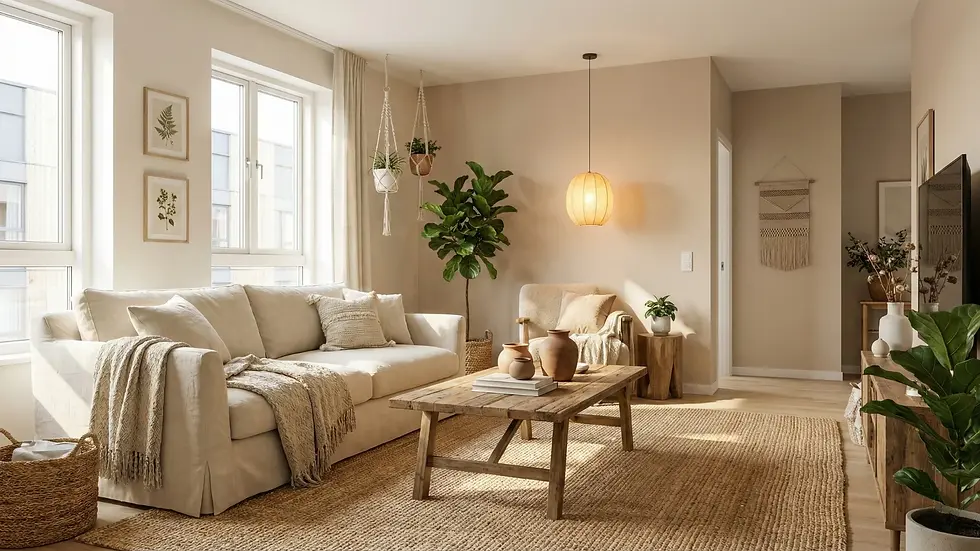
The living room should encourage comfort and conversation.
Tips
Choose comfortable seating.
Keep table surfaces partially empty.
Add soft lighting.
Use limited décor pieces.
Avoid
Too many cushions
Oversized furniture
Cluttered shelves
Bedroom
A bedroom must promote sleep and calm.
Tips
Use soothing color palettes.
Keep bedside areas simple.
Choose soft bedding.
Hide storage clutter.
Avoid
Work items in bedroom
Bright lighting
Excess wall décor
Home Office
Productivity increases in calm spaces.
Tips
Maintain clean desk surfaces.
Add plants or minimal art.
Use natural light.
Avoid
Over-decoration
Excess gadgets visible
Dark lighting
Dining Area
Dining areas should feel open and inviting.
Tips
Keep table décor minimal.
Use warm lighting.
Allow circulation space.
Avoid
Bulky chairs in small rooms
Heavy centerpieces
Small Apartments
Small spaces benefit most from relaxed design.
Tips
Multi-functional furniture
Light color palettes
Vertical storage
Avoid
Oversized furniture
Too many decorative layers
How to Style Without Over-styling

Styling is not about adding more items.
Decor Editing Rule
Remove 30% of decorative items and observe how space feels.
Use Negative Space
Empty space enhances beauty of key elements.
Focus on Statement Pieces
Choose a few impactful items instead of many small objects.
Texture Over Objects
Soft materials add comfort without clutter.
Grouping Objects
Arrange décor in groups rather than scattered items.
Best Colors for Relaxing Interiors

Color strongly affects mood.
Recommended Calm Colors
Warm whites
Beige tones
Soft gray
Muted greens
Soft blues
Accent Color Tips
Use accent colors sparingly:
Cushions
Throws
Art
Rugs
Avoid bright colors dominating relaxing spaces.
Lighting for Relaxation

Lighting shapes atmosphere.
Layer Lighting
Use combination of:
Ceiling lights
Table lamps
Floor lamps
Accent lighting
Warm Lighting
Warm tones feel cozy and inviting.
Natural Light
Maximize daylight using sheer curtains.
Avoid
Harsh white lighting
Single overhead lighting
Dark corners
Furniture Selection for Comfort

Furniture determines comfort level.
Choose Comfort First
Sit, test, and evaluate furniture before buying.
Low Visual Weight Furniture
Furniture with visible legs feels lighter.
Multi-Functional Pieces
Use:
Storage ottomans
Sofa beds
Expandable tables
Avoid Oversized Furniture
Large pieces shrink visual space.
Minimal Decor That Adds Warmth

Relaxing homes still need personality.
Plants
Plants add life and calm.
Textiles
Soft fabrics create warmth.
Art
Choose meaningful art rather than trend-based pieces.
Personal Items
Display curated memories, not everything.
Common Relaxation Design Mistakes
Mistake: Filling Every Corner
Solution: Leave breathing space.
Mistake: Copying Showrooms
Solution: Design for your lifestyle.
Mistake: Trend Chasing
Solution: Choose timeless elements.
Mistake: Ignoring Comfort
Solution: Prioritize usability.
Budget-Friendly Relaxation Tips
Creating calm spaces doesn’t require expensive renovations.
Affordable Upgrades
Rearrange furniture
Add soft lighting
Declutter surfaces
Use neutral textiles
Introduce plants
Replace harsh bulbs
Edit décor
Small changes make big impact.
How DreamDen AI Helps Design Relaxing Interiors
Design decisions can feel overwhelming. DreamDen.ai simplifies the process by helping users visualize designs before implementation.
DreamDen.ai allows users to:
Generate interior design ideas instantly
Experiment with styles and layouts
Visualize calming themes
Plan spaces more efficiently
Instead of guessing what works, users can explore options digitally and make confident decisions.
This approach saves time, money, and design stress.
Quick Relaxing Home Checklist
Use this checklist while designing:
✔ Remove unnecessary décor
✔ Create visual breathing space
✔ Use calming colors
✔ Improve lighting layers
✔ Choose comfortable furniture
✔ Add soft textures
✔ Include plants
✔ Keep surfaces clean
✔ Prioritize functionality
✔ Edit décor regularly
Future Trend: Comfort Over Perfection

Interior design trends are shifting. People now prefer homes that feel authentic and comfortable rather than picture-perfect.
The future of home design focuses on:
Emotional comfort
Sustainable materials
Personal expression
Functional spaces
Calm environments
Homes are becoming sanctuaries instead of showcases.
Conclusion: Create a Home That Feels Good
Designing for relaxation without over-styling is not about removing personality or creating empty spaces. It is about finding balance between beauty and comfort.
A relaxing home:
Supports daily life
Reduces stress
Feels welcoming
Encourages rest
Start small. Remove clutter, adjust lighting, add comfort, and refine gradually. Design evolves over time.
And if you need guidance, tools like DreamDen.ai can help you visualize ideas and design calming interiors confidently.


Comments